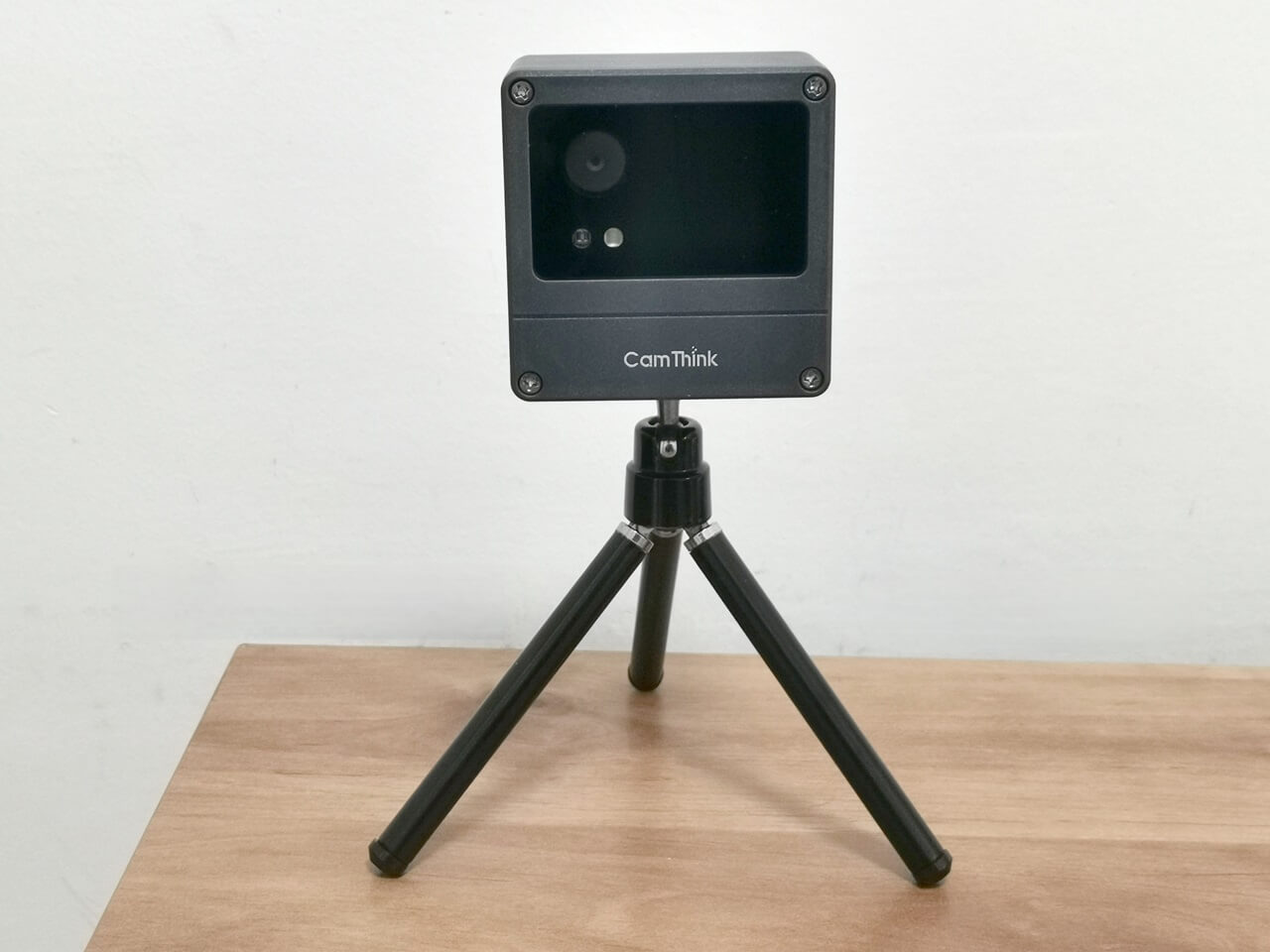
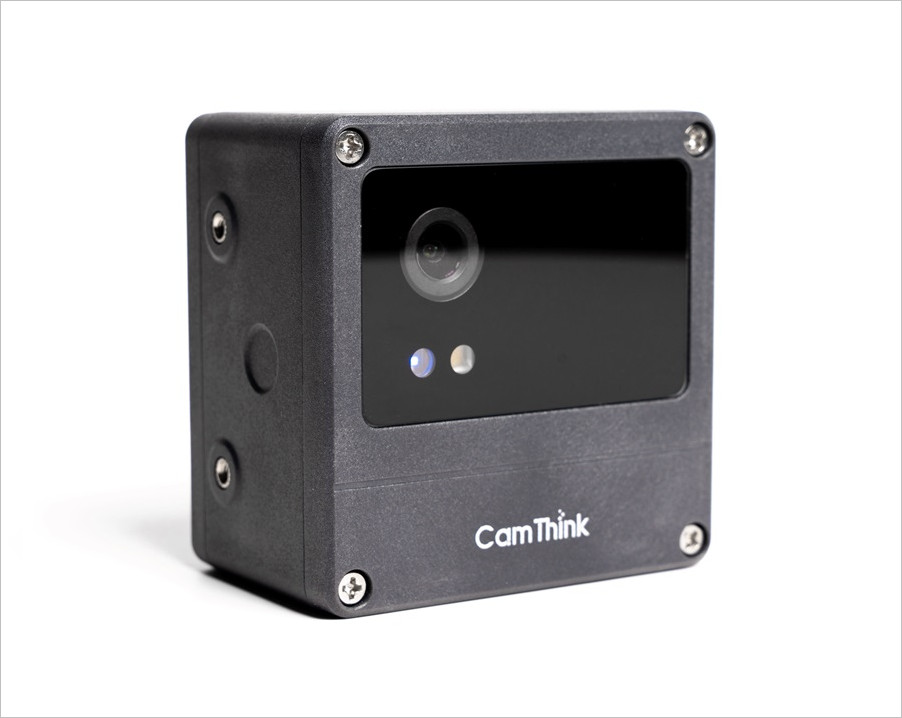
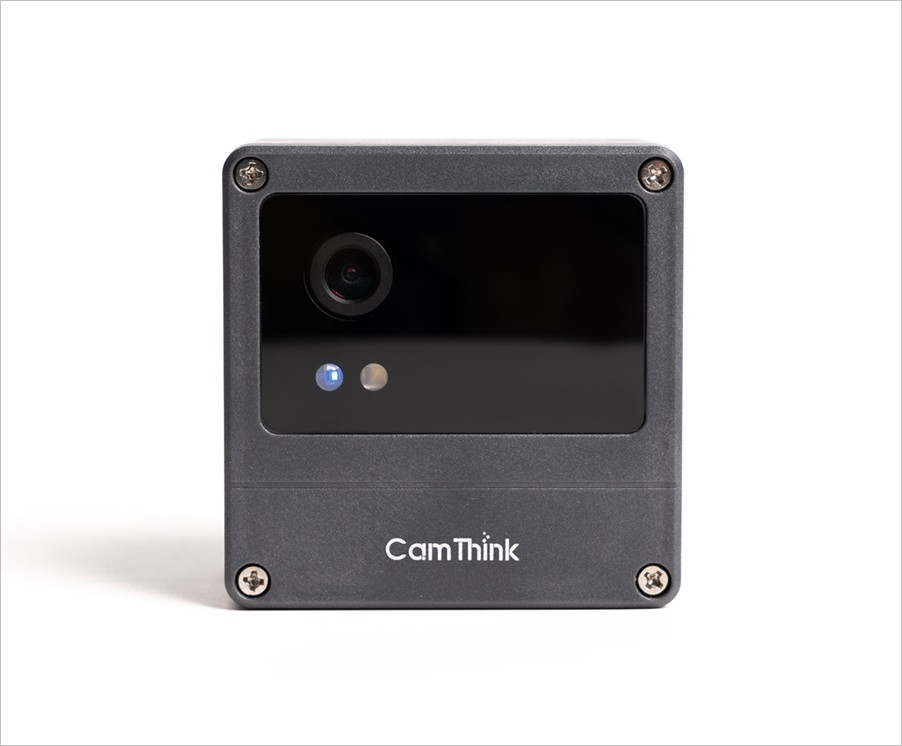
CamThink NE301 Review: An introduction with complete specifications and key features.
9Expert Score
A great budget-friendly Edge AI camera
Overall Assessment of the CamThink NE301 (Pros & Cons)
The NE301 is an affordable AI camera perfect for a variety of applications. It comes packed with handy features like built-in WiFi and interchangeable camera modules and lenses. It can even support 4G cellular network connectivity with a special add-on card.
Overall, this device stands out as perfect for AI enthusiasts interested in development, robotics, automation, and those seeking an affordable camera. Let’s explore its pros and cons.
Cost-effective.
PoE Module Support (Optional).
IP67 Waterproof & Outdoor Ready.
NPU Power: 0.6 TOPS.
An easy-to-use web-based interface.
Able to run AI models locally.
Interfaces could be more accessible.
Lacks autofocus capability.
Part 1 – Introducing the Product
Meet the CamThink NE301 Edge AI Camera Module, designed to run AI models locally and offer a wide range of additional features.
The CamThink NeoEyes NE301 is an STM32N6-based open-source AI camera featuring on-device inference, a modular design, and an ultra-low-power, event-triggered vision system. It works smoothly with edge computing and IoT devices and can double as a high-tech monitoring camera for streaming live video.
This AI camera module packs 0.6 TOPS of processing power thanks to its STM32N6 Microcontroller Unit (MCU). It features a web-based user interface that makes it simple to adjust camera settings, preview AI inferences remotely, switch between preloaded AI models, and fine-tune performance settings.
The hardware has a modular design, allowing communication modules, image sensors, power options, and mounting accessories to be swapped based on the situation. With extensive interface expansion and an open hardware architecture, developers can move quickly from prototype to commercial deployment.
NE301 Schematics
Design with an open hardware architecture in mind
The camera is designed with a modular structure, enabling easy interchange of communication modules, image sensors, power options, and mounting accessories to suit various applications. With extensive interface expansion capabilities and an open hardware architecture, developers can transition rapidly from prototype development to commercial implementation.
It can also connect to external sensors
It also supports various event-triggered capture methods, including PIR, radar, acoustic, and more. When connected to external sensors, it can automatically wake, snap images, and run edge inference as soon as the trigger condition is met, enabling event-driven snapshots with built-in AI processing.
Key highlights
Processor
Powered by an STM32N6 microcontroller with a built-in Neural Processing Unit (NPU).
Open-source stack
Thanks to its open-source software environment, developers can easily deploy their own trained models.
Modular design
Communication, camera, and power modules can be swapped or upgraded independently.
Runs local AI modules
Built to run AI modules locally without depending on the cloud, such as YOLO object detection.
four AA batteries, or alternatively by a DC, solar, USB-C, Power over Ethernet (PoE).
Streaming
It can be used for live video streaming apps via a web-based interface.
Flexible connectivity
On-board Wi-Fi 6 included. Available as an option through the Cat-1 cellular module.
Operation
You can access the device through a Wi‑Fi enabled phone or PC using the Web UI.
Include pre-made AI models tailored for various applications.
Incorporate fall detection in elderly care, flood monitoring, wildlife protection, and construction site safety, all powered by locally deployed AI modules.
Comes with plenty of rich I/O resources
✔ 16 + 12-pin GPIO expansion headers ✔ USB Type-C for power and debugging ✔ TF card slot for removable storage ✔ Alarm/trigger input header
Humidity
0–95% RH (non-condensing)
Dimensions
77 x 77 x 48 mm
Operating Temperature
–20°C to 50°C
Certifications
CE, FCC, RoHS, SRRC
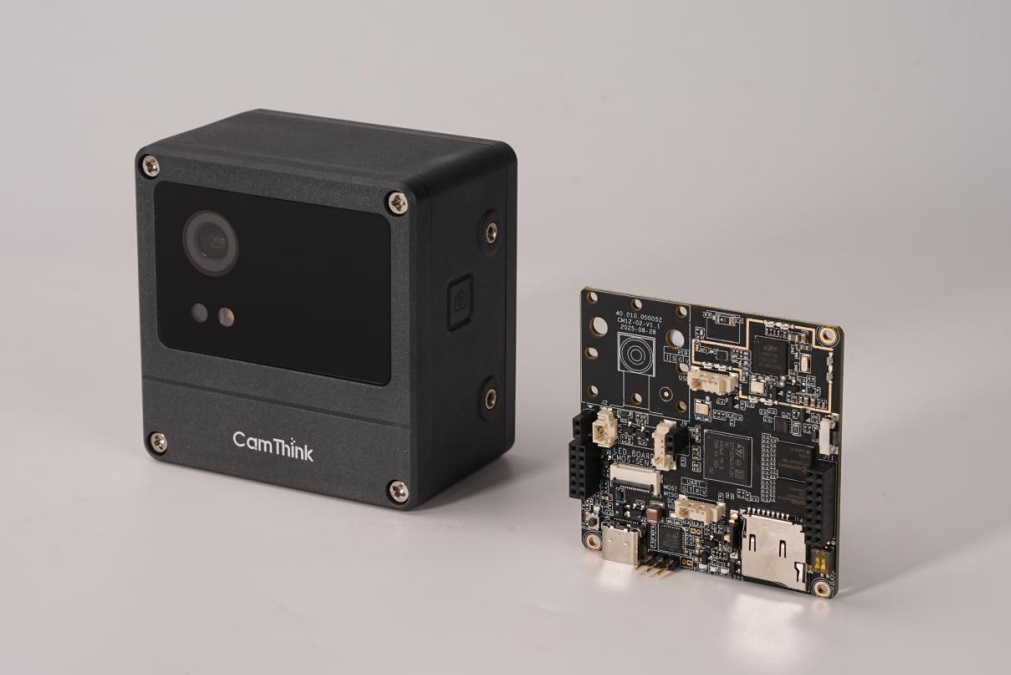
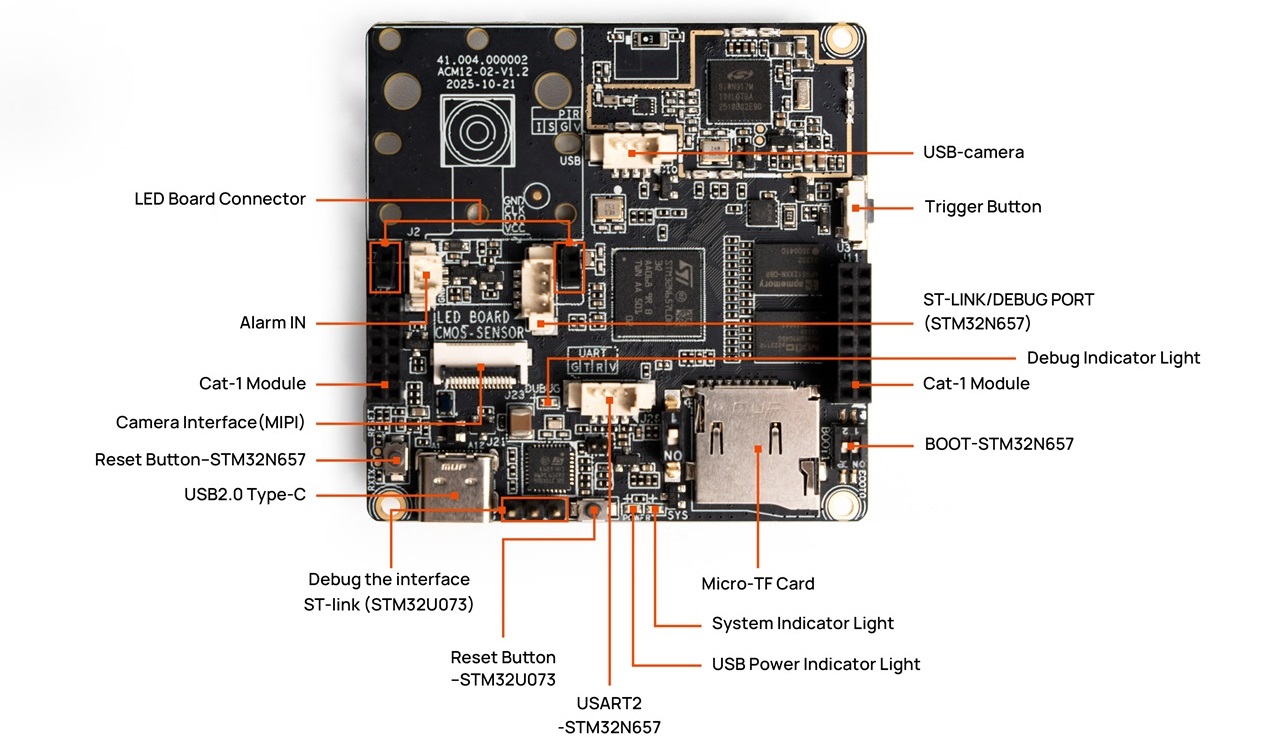
A closer look at the main board that powers the device
Inside the protective case, you’ll find the NE300-MB01 development board, which drives the NeoEyes NE300 series. This reference design combines STM32U0 and STM32N6 MCUs in an ultra-low-power setup that can handle both video and still-image inference. It works with a range of trigger sensors for image capture and edge AI workflows, making it simple for developers to build proofs of concept and custom IoT camera solutions for smart agriculture, environmental monitoring, security, and wildlife tracking.
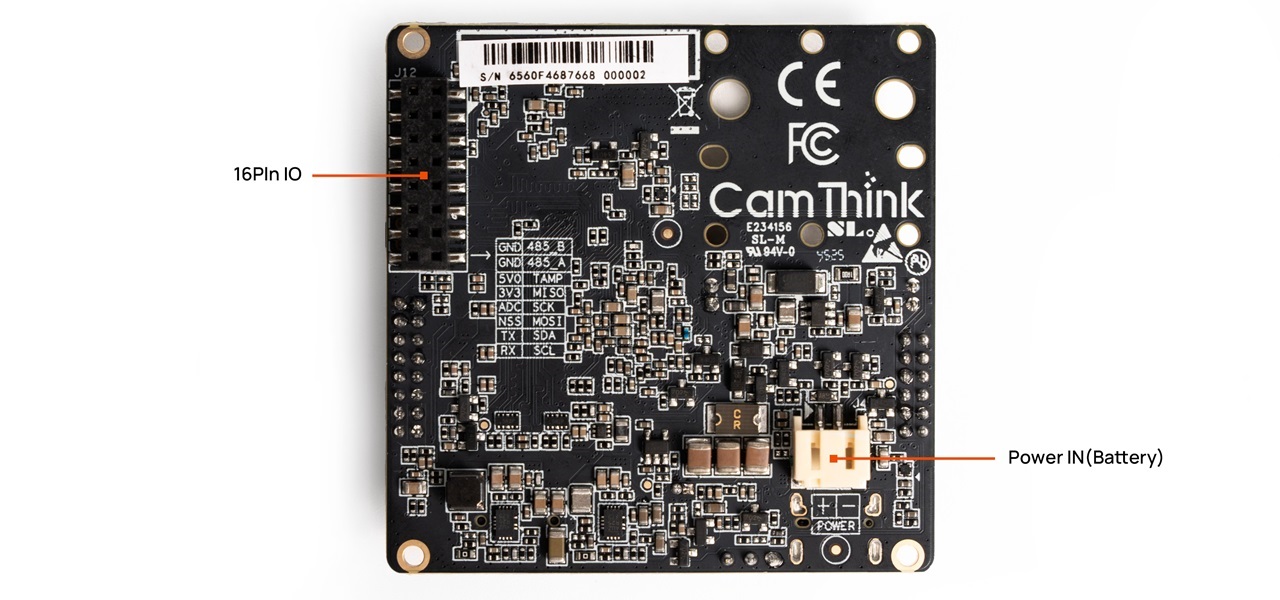
NE300 MB01 – Photo 1 of 2 (Front view)NE300 MB01 – Photo 2 of 2 (Back view)
Hardware – Behind the Scenes
The main board packs an STM32N657L0H3 MCU paired with 64 MB of external PSRAM and 128 MB of external Flash. Power management and ultra-low-power sleep control come from the STM32U073KBU6. For connectivity, it features the SiWN917M100LGTBA Wi-Fi 6/BLE 5.4 combo chip, with optional Cat-1 cellular modules and GPIO expansions for extra flexibility. The standard kit comes with an OS04C10 camera module, and USB camera modules are also offered.
Here are the board’s main features:
Application MCU – STM32N657L0H3 with an Arm® Cortex®-M33 core up to 800 MHz and ST Neural-ART Accelerator (up to 1 GHz, 600 GOPS, 288 MAC/cycle)
External PSRAM – APS512XX-OBR-BG, 64 MB, up to 250 MHz, 16-bit bus
External Flash – MX66UM1G45G SPI NAND, 128 MB, up to 200 MHz, 8-bit bus
Wi-Fi module – SiWN917M100LGTBA with 2.4 GHz Wi-Fi 6 (IEEE 802.11 b/g/n/ax) and Bluetooth 5.4
Camera modules – OS04C10 CSI-2 module by default, optional USB module
Capture button – One-touch snapshot trigger
Indicators – Blue status LED plus a 0.5 W white fill light
Debug interfaces – ST-Link, USB, and UART headers
Power kill switch – Slide switch to fully disconnect the battery input
External sensor ports – Alarm IO, PIR input, and other sensor headers
12-pin + 16-pin connectors for communication / sensor modules
Storage
TF card (Micro SD)
Mechanical & other
Power input
DC 5 V
Dimensions
77 mm × 77 mm × 48 mm
Operating temperature
−20 °C to +50 °C
Humidity
0% – 90% RH (non-condensing)
Certifications
CE / FCC / RoHS / SRRC
Designed for Edge AI computing, it offers durability along with water and dust resistance.
The NeoEyes NE301 enclosure is built for dependable outdoor performance and easy, versatile deployment.
Tempered-glass lens cover: Highly transparent glass prevents water accumulation and secures long-term imaging quality outdoors.
Outdoor-grade power & protection: Battery-powered, low-energy operation plus IP67 ingress protection suits harsh environments.
Flexible mounting: Supports wall, ceiling, and pole mounting. Original brackets and additional enclosures are available to match different scenarios.
It can be used for AI applications, either running locally or sending data to the cloud.
The STM32N6 MCU provides 0.6 TOPS of compute, which is sufficient to run lightweight person detection, gesture recognition, and similar models locally without sending frames to the cloud. By moving workloads to the edge, NeoEyes NE301 lowers cost, latency, and privacy risk compared with traditional “device + server” architectures. Combined with low power design, easy installation, rich expansion, and IP67 protection, the camera fits long-running applications across multiple industries.
var wpdiscuzUCObj = {"msgConfirmDeleteComment":"Are you sure you want to delete this comment?","msgConfirmCancelSubscription":"Are you sure you want to cancel this subscription?","msgConfirmCancelFollow":"Are you sure you want to cancel this follow?","additionalTab":"0"};
//# sourceURL=wpdiscuz-user-content-js-js-extra