Close Menu
  • Home
  • About
  • Wearables
  • Earbuds
  • Computer Accessories
    • Routers
    • Remotes
  • Embedded
    • Single Board Computers
    • Addon Boards
    • Raspberry Pi
  • Wireless Routers
  • Contact
Facebook X (Twitter) Instagram Threads
Trending
  • Top Global AliExpress Promo Codes February 23, 2026
  • CamThink NE301 Review: 25 FPS YOLOv8 on STM32 Edge AI
  • PrivadoVPN Review 2026: Is the Best Free VPN Still Good for Streaming?
  • Orange Pi 6: Why Buy an AI HAT+? This SBC has 45 TOPS of Integrated AI Power
  • AliExpress Shopping Guide 2026: How to Find Top Deals & Avoid Scams
  • WaveNote AI: ChatGPT Powered Meeting Summaries & Call Transcripts
  • Banana Pi BPI-R4 Pro Review: The Best WiFi 7 OpenWrt Router? We Checked!
  • Best Off-Grid LoRa Mesh Messenger [2026] – LoraSecret
AndroidPIMP
Facebook X (Twitter) Instagram
  • Home
  • About
  • Wearables
  • Earbuds
  • Computer Accessories
    • Routers
    • Remotes
  • Embedded
    • Single Board Computers
    • Addon Boards
    • Raspberry Pi
  • Wireless Routers
  • Contact
AndroidPIMP
Embedded Computers

NanoPC T4 Review – A Powerful High-End Raspberry Pi alternative

By androidpimpApril 15, 2019Updated:April 12, 2023No Comments11 Mins Read
Facebook Twitter Pinterest LinkedIn Tumblr Email
Follow Us
Google News Flipboard
Table of contents
  1. NanoPC T4 Review: A Powerful High-End Raspberry Pi alternative
  2. Buy on FriendlyElec Website
  3. Main Highlights
  4. NanoPC-T4 Specifications
  5. Hardware
  6. CPU Benchmark: NanoPC T4 vs. Raspberry Pi 3
  7. Design and Quality
  8. Cooling
  9. Operation Temperature (Idle Mode)
  10. Storage
  11. Connectivity
  12. Software Support
  13. Final verdict

NanoPC T4 Review: A Powerful High-End Raspberry Pi alternative

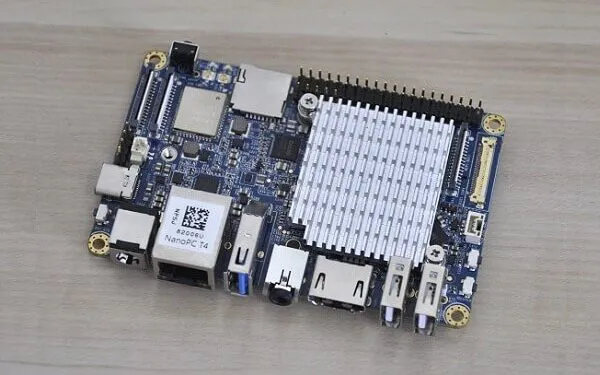
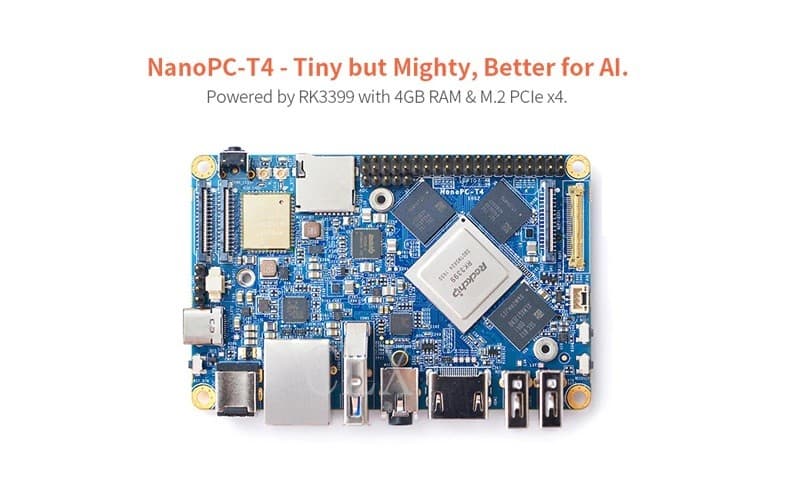
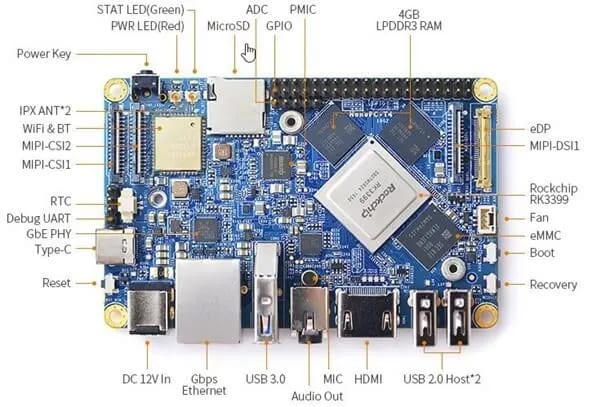
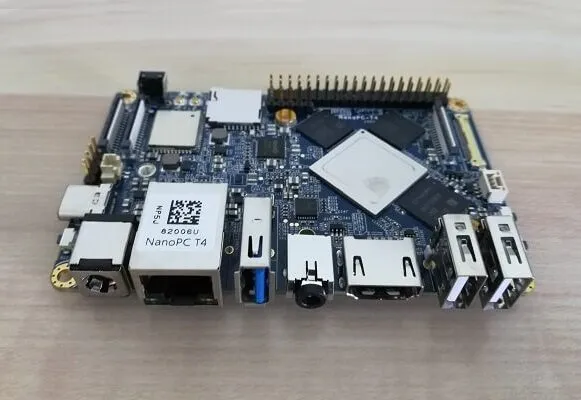
The NanoPC-T4 is by far the smallest RK3399-based high-performance SBC ARM board with popular ports and interfaces. Its software is fully based on open source, measuring only 100 x 64 mm. It comes with 4GB LPDDR3 RAM, 16GB eMMC flash, onboard 2.4G & 5G dual-band WiFi module, and a full standard M.2 PCIe interface that supports an NVME SSD high-speed hard drive. The NanoPC-T4 supports GPU and VPU acceleration and works with Android 7.1 and Lubuntu Desktop.

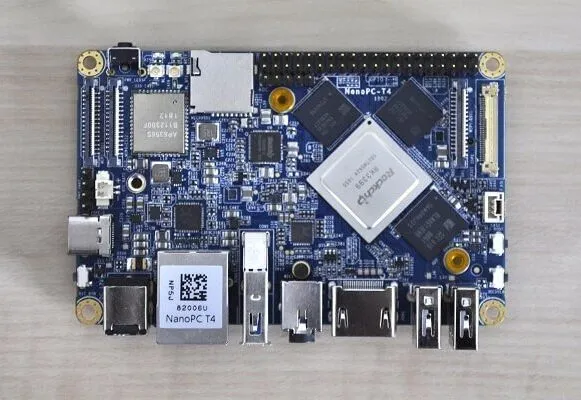
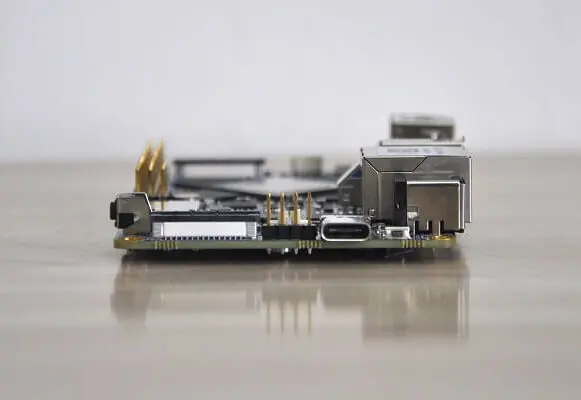
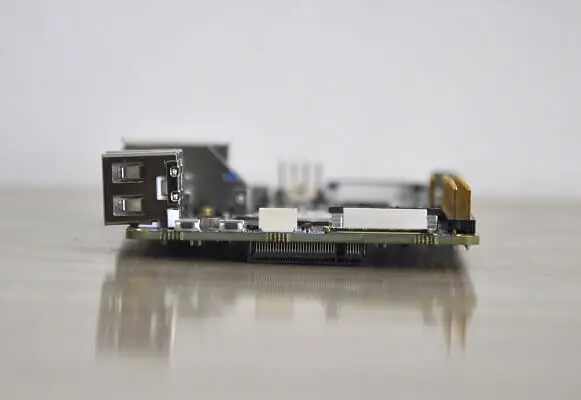
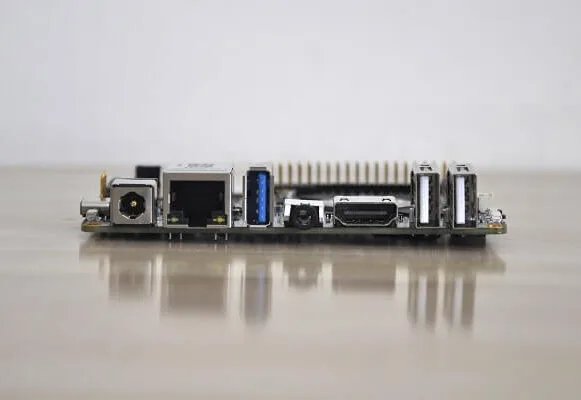
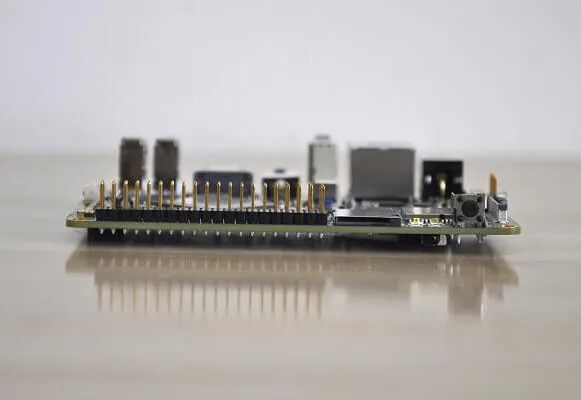
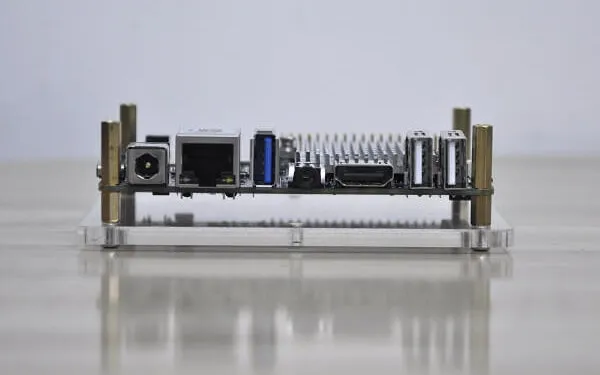
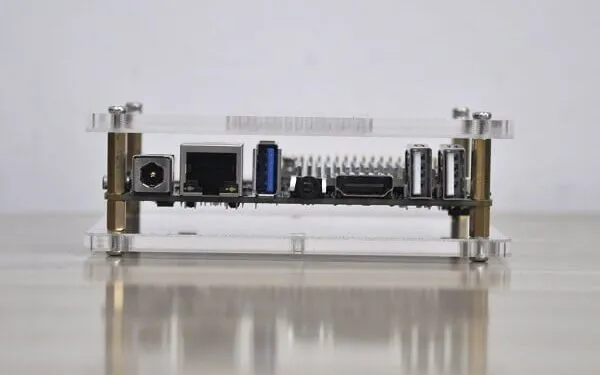
As for onboard interfaces, the NanoPC-T4 has a MIPI-CSI dual camera interface, a MIPI-DSI and an EDP display interface, and an HDMI 2.0 interface. It has Type-C/DP, USB 3.0, USB2.0, MicroSD, Gbps Ethernet port, 3.5mm audio jack, infrared receiver, AD input, serial debug interface, and a 40Pin RPi compatible connector.

In the graphics and video arena, The T4 is equipped with RK3399 SoC that has an internal Mali-T860 GPU which has powerful capabilities for processing 3D and HD H.265/H2.64 video streams. It supports dual camera inputs, and a dual ISP interface capable of doing image processing up to 13MP. The NanoPC-T4 is a perfect platform for AI and deep learning applications. It can be used in advertisement machines, game machines, video conference applications, surveillance systems, clusters, VR/AR applications, and machine vision applications. For more information about the product you are welcome to check the FriendlyElec (FriendlyARM) website link posted below:

Buy on FriendlyElec Website


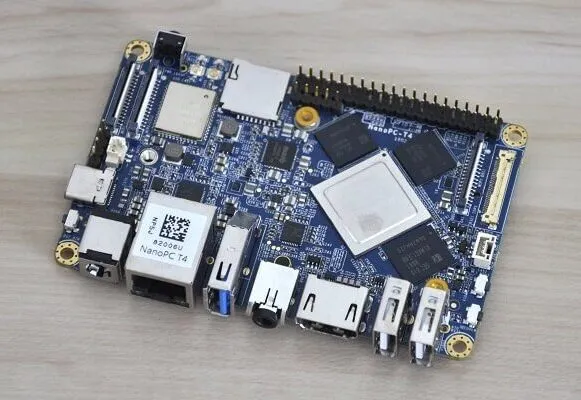
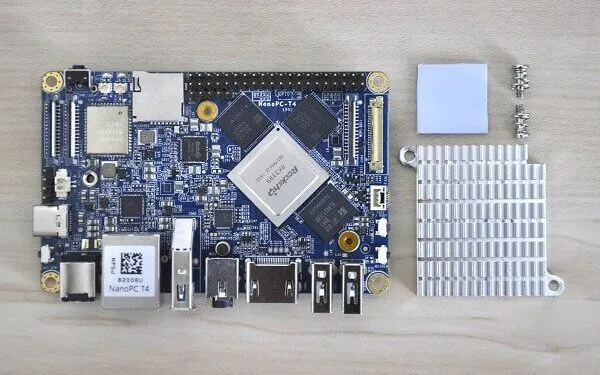
NanoPC-T4 | Front view
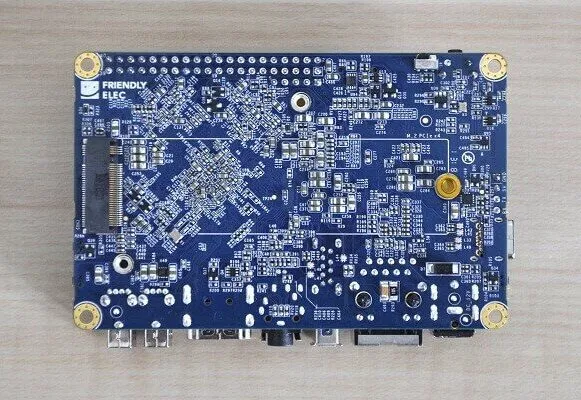
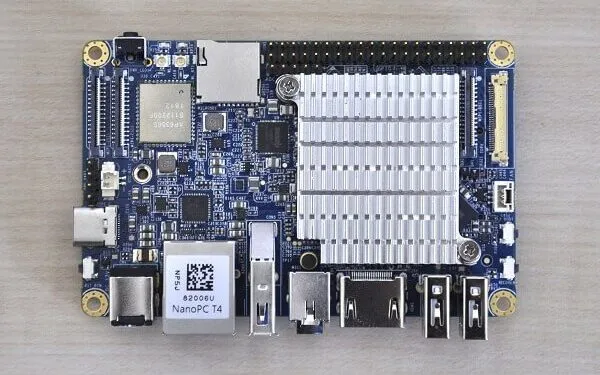
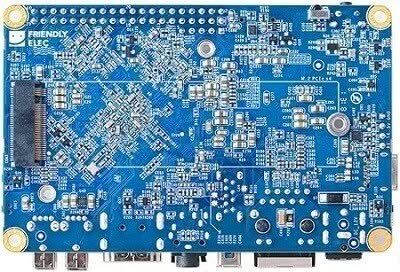
NanoPC-T4 | Back view

Main Highlights

  1. Powerful RK3399 CPU: Dual-Core Cortex-A72 + Quad-Core Cortex-A53
  2. High-performance Mali-T864 GPU: Perfect for VR/AR/AI applications
  3. Support Dual OS Booting
  4. M.2 M-Key PCIe x4 socket
  5. Dual-Channel 4GB LPDDR3 RAM
  6. 802.11AC Dual Band WiFi Support
  7. USB 3.0 Port x1
  8. Type-C/DP Port x1
  9. Gbps Ethernet port x1
  10. HDMI 2.0 – 4K x 2K @60 fps
  11. MIPI-CSI x2 – Support Dual Camera
  12. Supported OS: Android 7.1 and Lubuntu Desktop.

NanoPC-T4 Specifications

  • SoC: Rockchip RK3399
    • CPU: big.LITTLE,Dual-Core Cortex-A72(up to 2.0GHz) + Quad-Core Cortex-A53(up to 1.5GHz)
    • GPU: Mali-T864 GPU,supports OpenGL ES1.1/2.0/3.0/3.1, OpenVG1.1, OpenCL, DX11, and AFBC
    • VPU: 4K VP9 and 4K 10bits H265/H264 60fps decoding, Dual VOP, etc
  • PMU: RK808-D PMIC, cooperated with independent DC/DC, enabling DVFS, software power-down, RTC wake-up, system sleep mode
  • RAM: Dual-Channel 4GB LPDDR3-1866
  • Flash: 16GB eMMC 5.1 Flash
  • Ethernet: Native Gigabit Ethernet
  • Wi-Fi/BT: 802.11a/b/g/n/ac, Bluetooth 4.1, Wi-Fi and Bluetooth combo module, dual-antenna interface
  • Video-Input: two 4-Lane MIPI-CSI, dual ISP, up to 13MPix/s, supports simultaneous input of dual-camera data
  • Video output
    • HDMI: HDMI 2.0a, supports 4K@60Hz, HDCP 1.4/2.2
    • DP on Type-C: DisplayPort 1.2 Alt Mode on USB Type-C
    • LCD Interface: one eDP 1.3(4-Lane,10.8Gbps), one 4-Lane MIPI-DSI
  • Audio Out: 3.5mm Dual channel headphone jack, or HDMI
  • Audio In: Onboard microphone
  • USB 2.0: 2 independent native USB 2.0 Host A interfaces
  • USB 3.0: 1 native USB 3.0 Host A-type interface
  • USB Type-C: Supports USB3.0 Type-C and DisplayPort 1.2 Alt Mode on USB Type-C
  • PCIe: One M.2 M-Key PCIe x4 socket, compatible with PCIe 2.1, Dual operation mode; Onboard M3 PCB nut for mounting M.2 2280 module
  • microSD Slot x 1
  • 40Pin GPIO Extension ports:
    • 1 X 3V/1.8V I2C, up to 2 x 3V UART, 1 X 3V SPI, 1 x SPDIF_TX, up to 8 x 3V GPIOs
    • 1 x 1.8V I2S, 3 x 1.8V GPIOs
  • ADC: 3 x 1.8V ADC inputs, 5 Pin 2.54mm header
  • Debug: one Debug UART, 4 Pin 2.54mm header, 3V level, 1500000bps
  • Keys: PowerKey, Reset, MASKROM (BOOT), Recovery
  • LED: 1 x power LED and 1 x GPIO Controlled LED
  • IR receiver: Onboard IR receiver, Accepts 38KHz carrier frequency
  • RTC Battery: 2 Pin 1.27/1.25mm RTC battery input connector
  • Cooling: two 2.5mm PCB nuts for mounting heat sink; 3 Pin 12V cooling fan interface with PWM
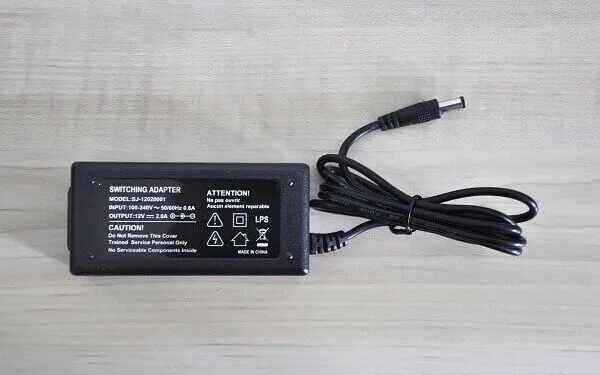
  • Power supply: DC 12V/2A
  • PCB: Ten Layer, 100 mm x 64 mm
  • Ambient Operating Temperature: 0℃ to 80℃

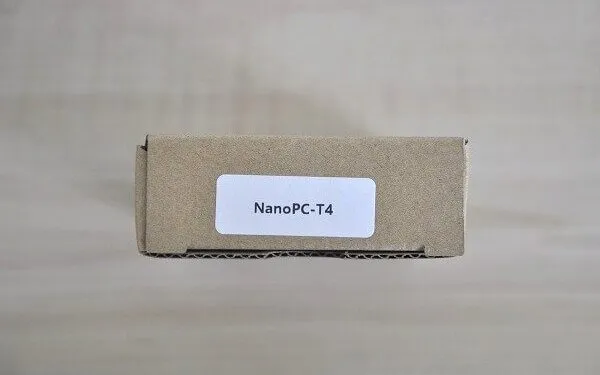
 NanoPC-T4 | Package Content
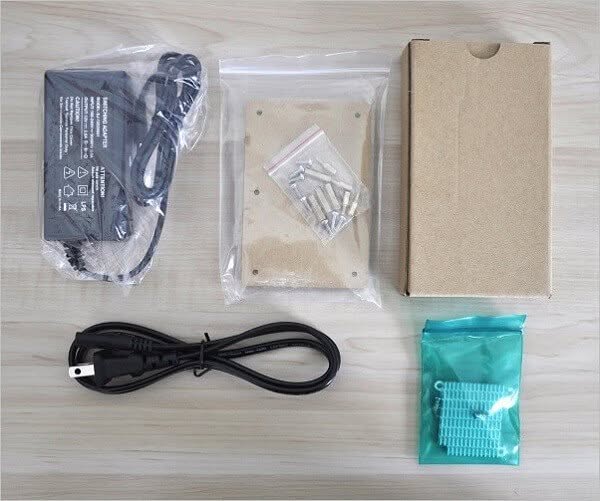
NanoPC-T4 Package Items

Main Package (Board + WiFi Antennas)

  • NanoPC T4 Package P1 1
    NanoPC T4 Package P1 1

  • NanoPC T4 Package P2 1
    NanoPC T4 Package P2 1
  • NanoPC T4 Package P3 1
    NanoPC T4 Package P3 1
  • NanoPC T4 Package P4 1
    NanoPC T4 Package P4 1

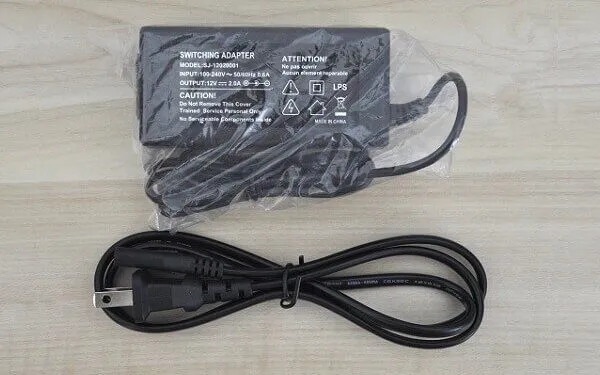
NanoPC-T4 | Package (Kit) Unboxing
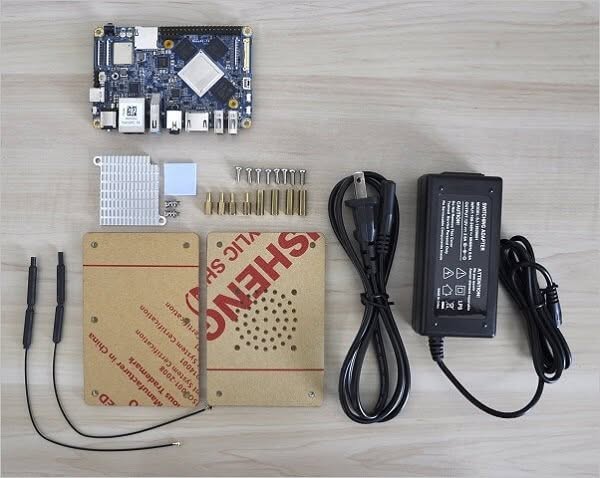
NanoPC-T4 Unboxed

Unboxed Items

  • NanoPC T4 Unboxing P1
    NanoPC T4 Unboxing P1

  • NanoPC T4 Unboxing P2
    NanoPC T4 Unboxing P2
  • NanoPC T4 Unboxing P3
    NanoPC T4 Unboxing P3
  • NanoPC T4 Unboxing P4
    NanoPC T4 Unboxing P4
  • NanoPC T4 Unboxing P5
    NanoPC T4 Unboxing P5

 Additional Accessories

  • NanoPC T4 Package P1
    NanoPC T4 Package P1
  • NanoPC T4 Package P2
    NanoPC T4 Package P2
  • NanoPC T4 Package P3
    NanoPC T4 Package P3
  • NanoPC T4 Package P4
    NanoPC T4 Package P4
  • NanoPC T4 Package P5
    NanoPC T4 Package P5
  • NanoPC T4 Package P6
    NanoPC T4 Package P6
  • NanoPC T4 Package P7
    NanoPC T4 Package P7

Hardware

In terms of hardware specification, this hardware is considered top-notch. Based on a six-core Rockchip RK3399 processor. This CPU comes with Dual-Core Cortex-A72 and additional  Quad-Core Cortex-A53 along with a Mali-T864 GPU that provides a perfect pick for VR/AR/AI applications. The NanoPC T4 dual camera interface is also idle and suitable for machine vision applications such as robotics, face recognition, and so forth.

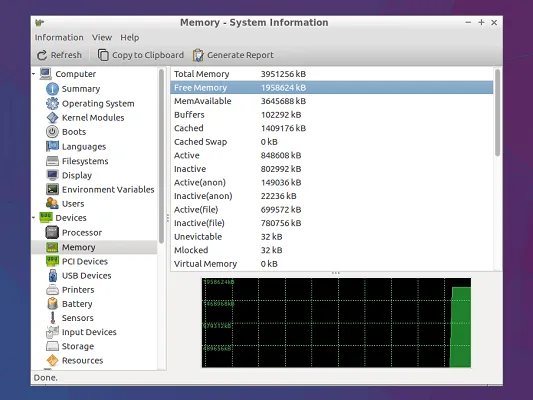
In addition, you can find an HDMI 2.0 Port and a DP 1.2 interface that can be used to output video at a maximum resolution of 4Kx2K@60fps. One of the highlights of the board is the massive 4GB LPDDR3 RAM that greatly improves performance and eliminates the need to use a swap partition under Ubuntu OS.

# Processor Information:
pi@FriendlyELEC:~$ lscpu
Architecture:          aarch64
Byte Order:            Little Endian
CPU(s):                6
On-line CPU(s) list:   0-5
Thread(s) per core:    1
Core(s) per socket:    3
Socket(s):             2
Model name:            ARMv8 Processor rev 2 (v8l)
CPU max MHz:           1416.0000
CPU min MHz:           408.0000
Hypervisor vendor:     (null)
Virtualization type:   full

CPU Benchmark: NanoPC T4 vs. Raspberry Pi 3

The NanaPC T4 board comes with powerful hardware, based on the latest Rockchip RK3399 Hexa Core processor 64bit CPU. According to my tests, Its CPU outranked the Raspberry Pi 3 Broadcom BCM2837 Quad-core 64bit CPU. For testing, I used the Sysbench benchmark tool running 4 and 32 threads.

NanoPC T4

# NanoPC-T4 - 4 threads Sysbench CPU test 
sysbench --test=cpu --cpu-max-prime=20000 --num-threads=4 run
sysbench 0.4.12: multi-threaded system evaluation benchmark
Running the test with following options:
Number of threads: 4
Doing CPU performance benchmark
Threads started!
Done.
Maximum prime number checked in CPU test: 20000
Test execution summary:
total time:                          68.6199s
total number of events:              10000
total time taken by event execution: 274.4262
per-request statistics:
min:                                 22.17ms
avg:                                 27.44ms
max:                                 97.72ms
approx.  95 percentile:              35.69ms
Threads fairness:
events (avg/stddev):           2500.0000/528.22
# <strong>NanoPC-T4 - 32 threads Sysbench CPU test</strong>
sysbench --test=cpu --cpu-max-prime=20000 --num-threads=32 run
sysbench 0.4.12: multi-threaded system evaluation benchmark
Running the test with following options:
Number of threads: 32
Doing CPU performance benchmark
Threads started!
Done.
Maximum prime number checked in CPU test: 20000
Test execution summary:
total time:                          49.6753s
total number of events:              10000
total time taken by event execution: 1587.2916
per-request statistics:
min:                                 36.04ms
avg:                                158.73ms
max:                                313.40ms
approx.  95 percentile:             214.29ms
Threads fairness:
events (avg/stddev):           312.5000/74.95
execution time (avg/stddev):   49.6029/0.03

Raspberry Pi 3

# <strong>Raspberry Pi 3 - 4 threads Sysbench CPU test</strong>
sysbench --test=cpu --cpu-max-prime=20000 --num-threads=4 run
sysbench 0.4.12:  multi-threaded system evaluation benchmark
Running the test with following options:
Number of threads: 4
Doing CPU performance benchmark
Threads started!
Done.
Maximum prime number checked in CPU test: 20000
Test execution summary:
total time:                          104.8953s
total number of events:              10000
total time taken by event execution: 419.4695
per-request statistics:
min:                                 41.80ms
avg:                                 41.95ms
max:                                107.20ms
approx.  95 percentile:              42.02ms
Threads fairness:
events (avg/stddev):           2500.0000/5.00
execution time (avg/stddev):   104.8674/0.01
<strong>Raspberry Pi 3 - 32 threads Sysbench CPU test</strong>
sysbench --test=cpu --cpu-max-prime=20000 --num-threads=32 run
sysbench 0.4.12:  multi-threaded system evaluation benchmark
Running the test with following options:
Number of threads: 32
Doing CPU performance benchmark
Threads started!
Done.
Maximum prime number checked in CPU test: 20000
Test execution summary:
total time:                          104.8959s
total number of events:              10000
total time taken by event execution: 3351.6045
per-request statistics:
min:                                107.06ms
avg:                                335.16ms
max:                                458.14ms
approx.  95 percentile:             391.94ms
Threads fairness:
events (avg/stddev):           312.5000/0.79
execution time (avg/stddev):   104.7376/0.10

Test Results

Test #2 – 4 threads Sysbench CPU Test

  • Raspberry Pi 3 – total time is taken by event execution: 419.4695
  • NanoPC T4 – total time is taken by event execution: 274.4262
  • Result: In favor of T4 with ~%65 faster execution time.

Test #1 – 32 threads Sysbench CPU Test

  • Raspberry Pi 3 – total time is taken by event execution: 3351.6045
  • NanoPC T4 – total time is taken by event execution: 1587.2916
  • Result: In favor of T4 with ~%47 faster execution time.

Note: A shorter execution time is Better!

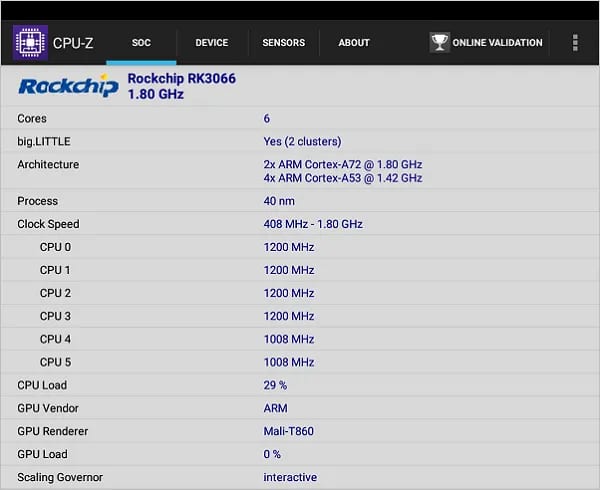
CPU Information | CPU-Z
NanoPC T4 | Full view
  • NanoPC T4 P1
    NanoPC T4 P1
  • NanoPC T4 P2
    NanoPC T4 P2
  • NanoPC T4 P3
    NanoPC T4 P3
  • NanoPC T4 P4
    NanoPC T4 P4
  • NanoPC T4 P5
    NanoPC T4 P5
  • NanoPC T4 P6
    NanoPC T4 P6
  • NanoPC T4 P7
    NanoPC T4 P7
  • NanoPC T4 P8
    NanoPC T4 P8

Design and Quality

My personal impression of the board was excellent. In terms of quality and design, we are talking about a top-quality product. The board itself is very compact measuring 64×100 mm Compared to the Raspberry Pi 3 board which is slightly smaller, and measures 56x85mm.


Cooling

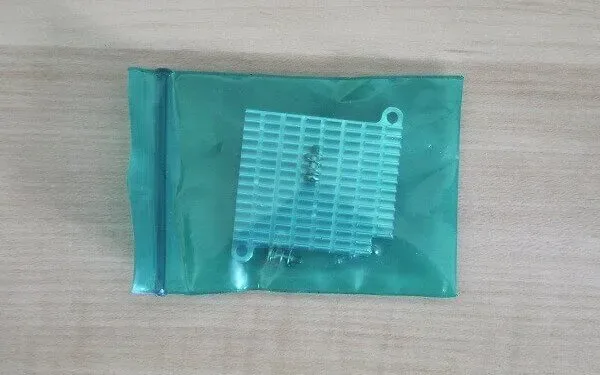
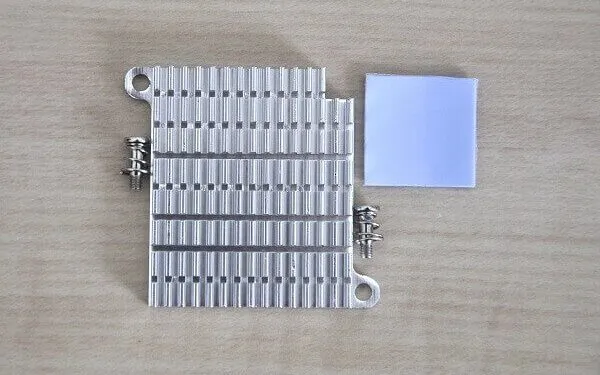
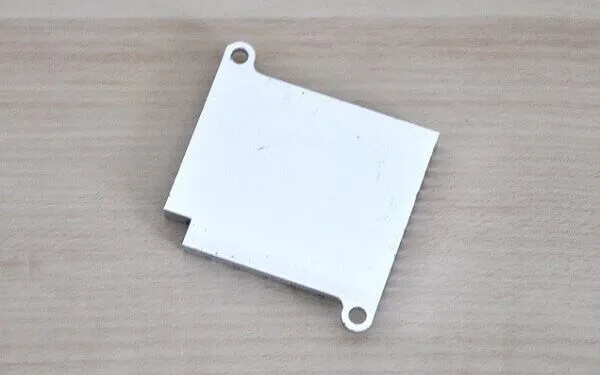
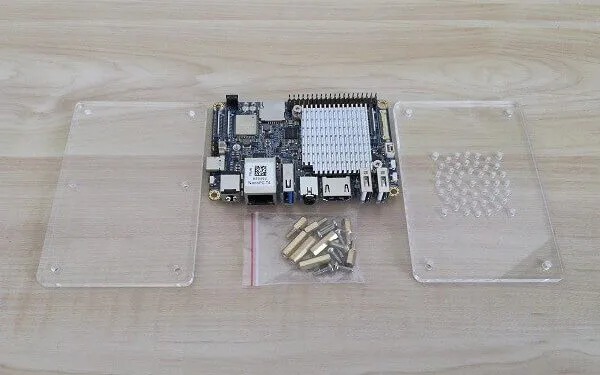
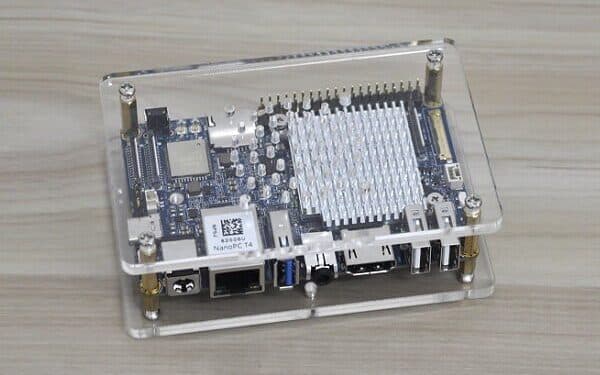
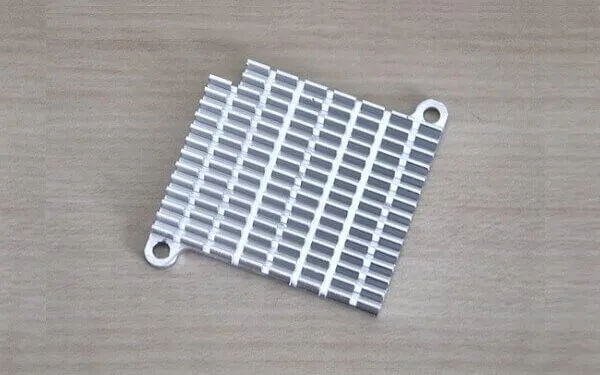
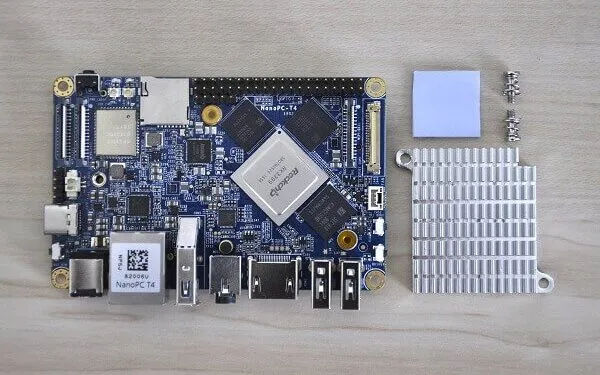
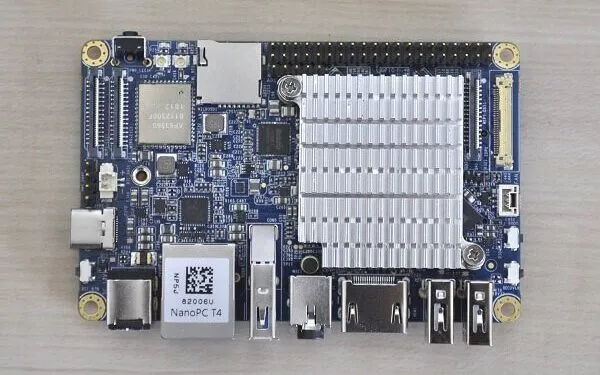
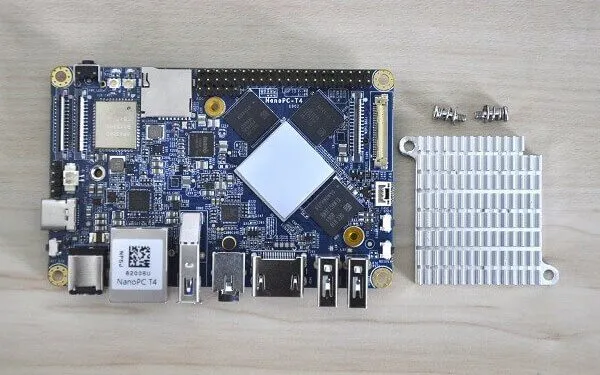
The NanoPC-T4 package includes a passive aluminum heat-sink unit (without a fan), a pair of screws, and a thermal silicon pad that is very simple to mount to the board’s specially designed threads. This type of arrangement provides a good clamping force against the RK3399 chip to achieve the best optimal heat conductivity. If you still need extra cooling, friendlyARM also provides a fan that can be connected to the upper plate of the acrylic case.

Mounting The Heat-sink
  • NanoPC T4 Heatsink 1
    NanoPC T4 Heatsink 1
  • NanoPC T4 Heatsink 2
    NanoPC T4 Heatsink 2
  • NanoPC T4 Heatsink 3
    NanoPC T4 Heatsink 3

Operation Temperature (Idle Mode)

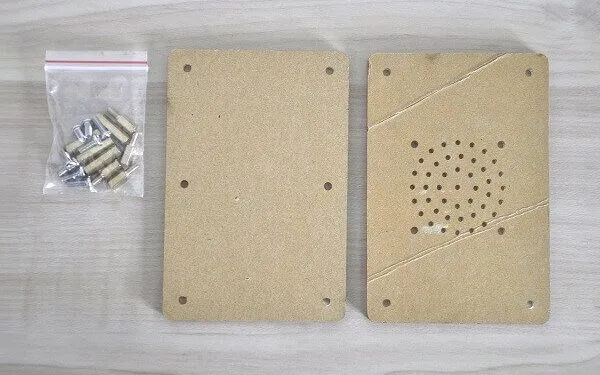
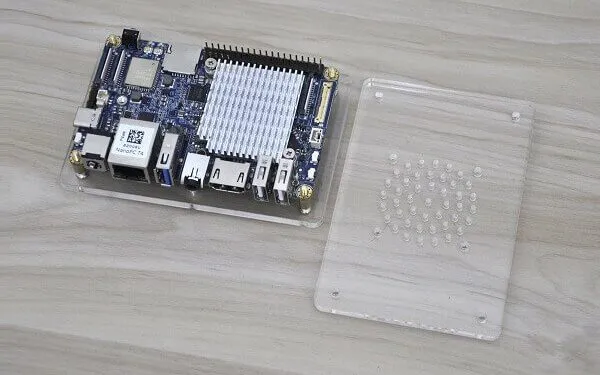
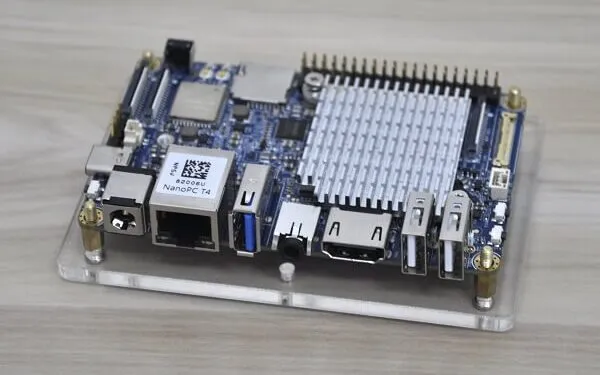
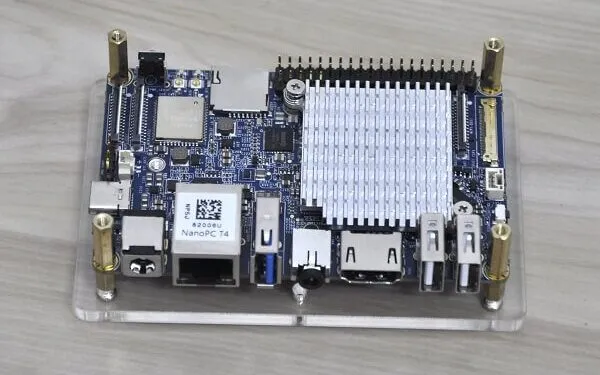
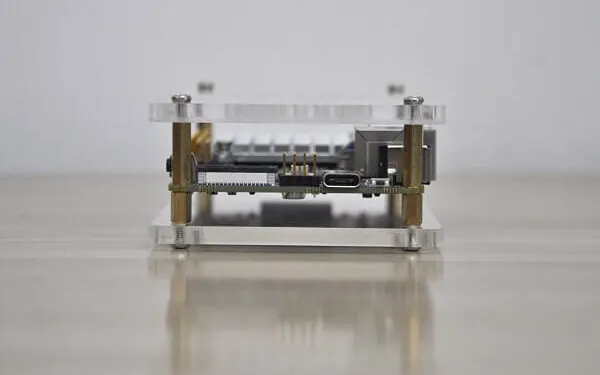
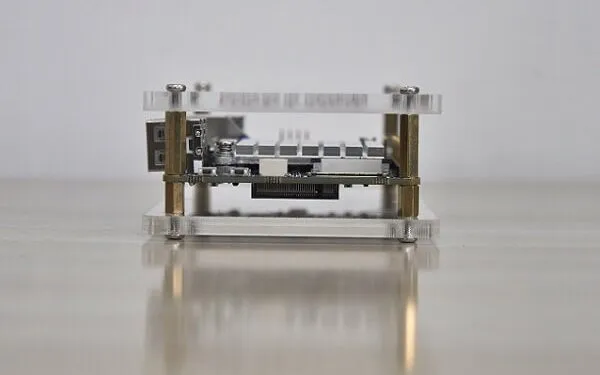
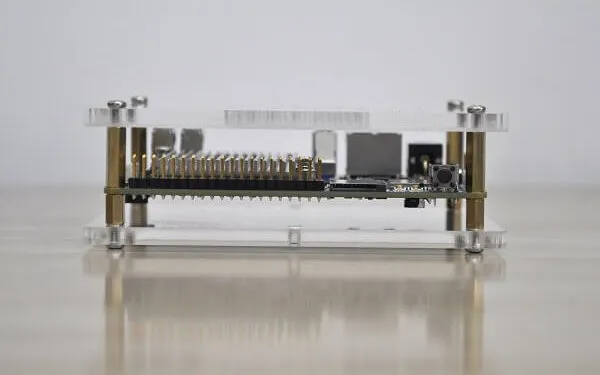
FriendlyARM included with the package a simple case, composed of two plats assembled with a series of screws and bolts that hold the PCB. Because this an open type of case and not a closed one, most of the interfaces can be easily accessed and the chips disputing the heat can cool down quickly. personally, I would prefer having a metal case similar to NanoPC-T3 Plus. If you are still keen on a closed case, you can always design and 3D print.

Based on my quick test, the CPU temperature in idle mode measured between 39-40C (As seen below):

# Temperature in Idle Mode:
pi@FriendlyELEC:~$ cat /sys/class/thermal/thermal_zone*/temp
40000
39375

Storage

Maybe one of the top highlights of this board is the M.2 PCIe socket located on the rear side of the T4 board. With this feature, users can connect an NVME SSD (Solid-State Drive) Card to extend local storage way beyond the 16GB eMMC limit. Depending on the capacity of the card ( 64GB/128GB/256GB) and brand name, you can find a suitable one for a price range starting at $20 and above. If you are asking what is the form factor for this interface. The dimensions of the SSD card are pretty standard and fixed measuring 22x80mm. For more questions about compatible SSD, you are welcome to email the FriendlyARM sales/tech team.

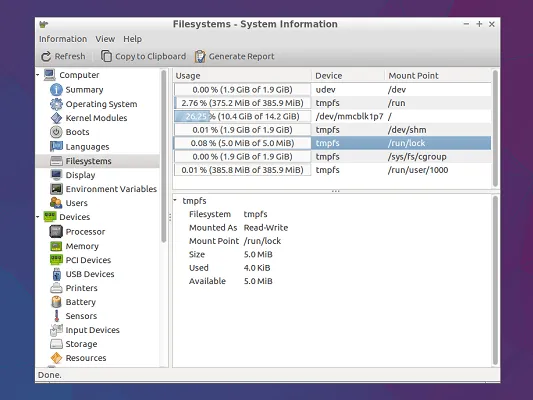
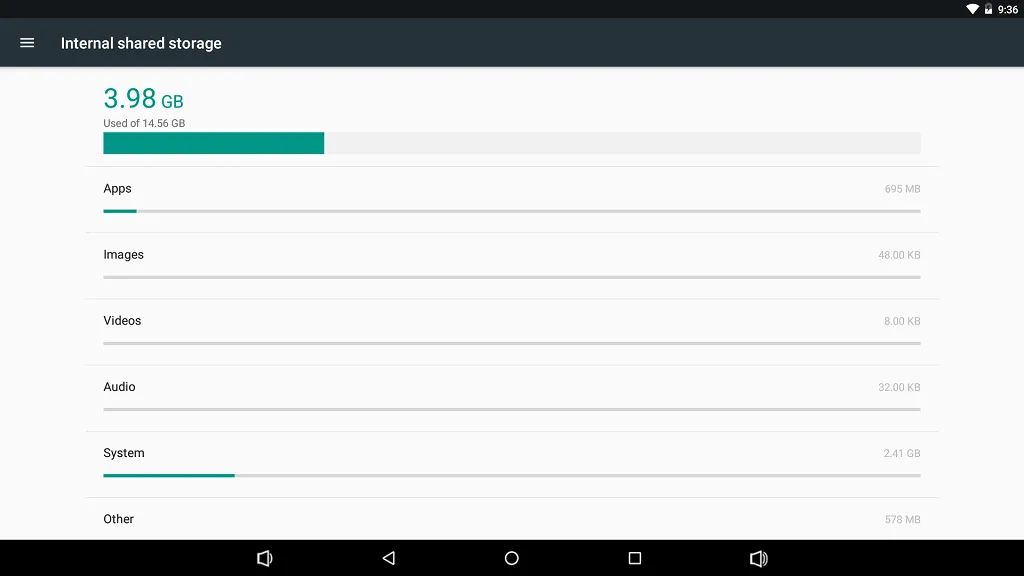
Based on my checks, after burning the Ubuntu image to the 16GB eMMC chip you will be left with ~11GB of free space (As shown below):

pi@FriendlyELEC:~$ df -h
Filesystem      Size  Used Avail Use% Mounted on
udev            1.9G     0  1.9G   0% /dev
tmpfs           386M  5.9M  381M   2% /run
/dev/mmcblk1p7   15G  3.7G   11G  27% /
tmpfs           1.9G  140K  1.9G   1% /dev/shm
tmpfs           5.0M  4.0K  5.0M   1% /run/lock
tmpfs           1.9G     0  1.9G   0% /sys/fs/cgroup
tmpfs           386M   36K  386M   1% /run/user/1000

Connectivity

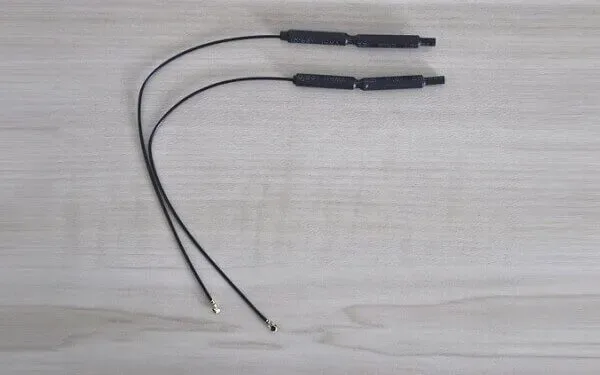
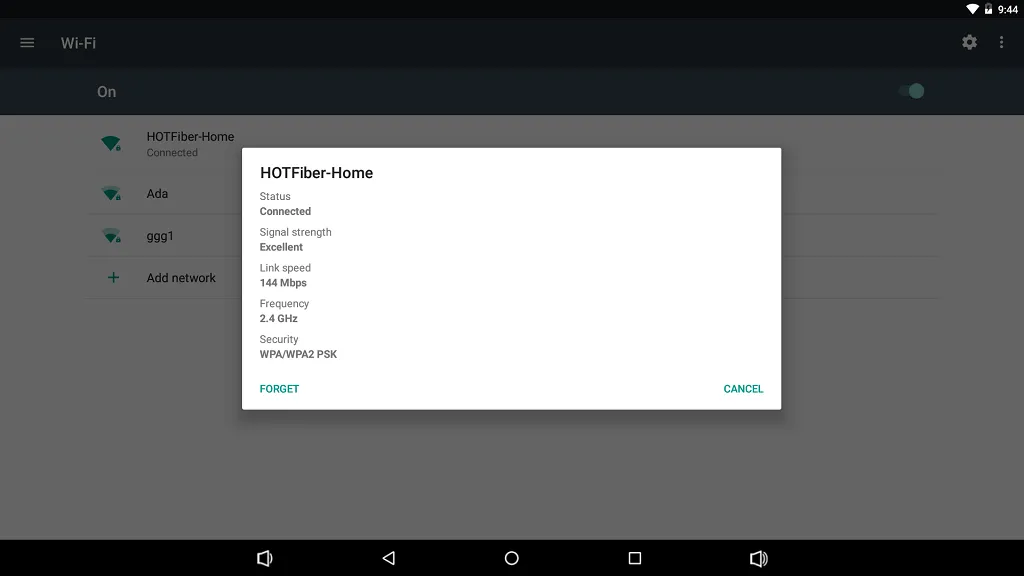
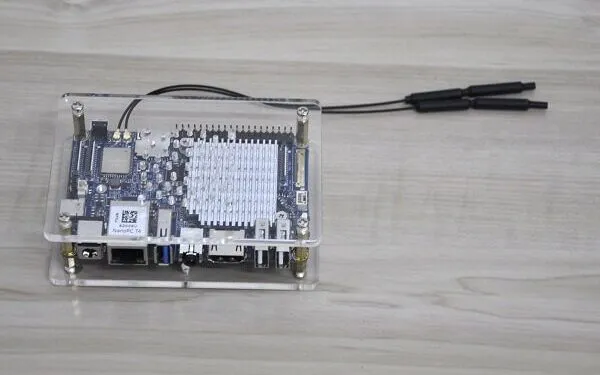
The NanoPC-T4 support a 2.4G & 5G dual-band WiFi network. FriendlyARM provided a simple wire-type antenna to connect with two IPX onboard sockets. Personally, I didn’t like this type of arrangement of the wires, that is thrown out of the case. Instead, It was nice having a pair of RP-SMA Antennas that can be mounted in holes on the upper cover of the case. That said, the performance of the Gigabyte Ethernet and the WiFi were excellent.


Software Support

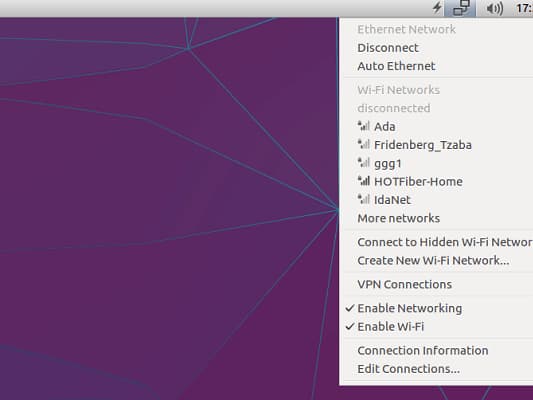
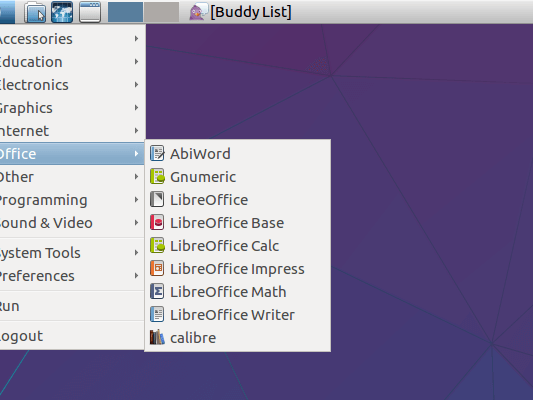
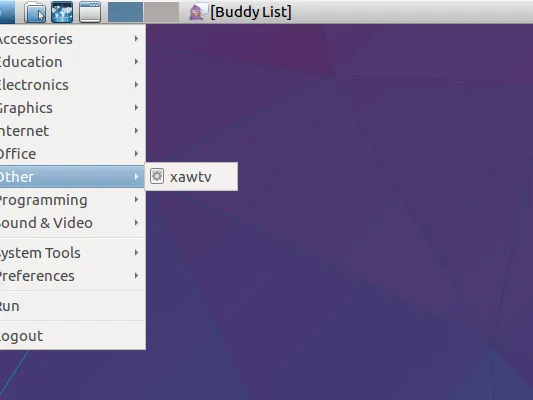
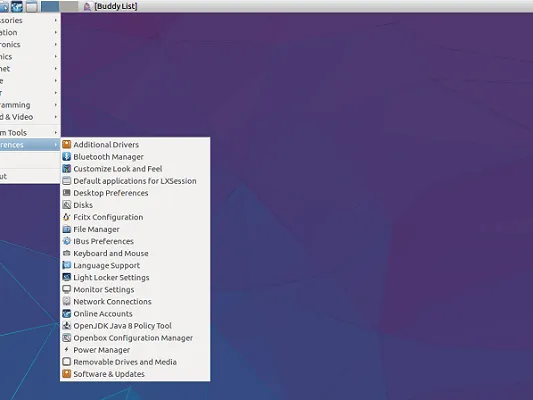
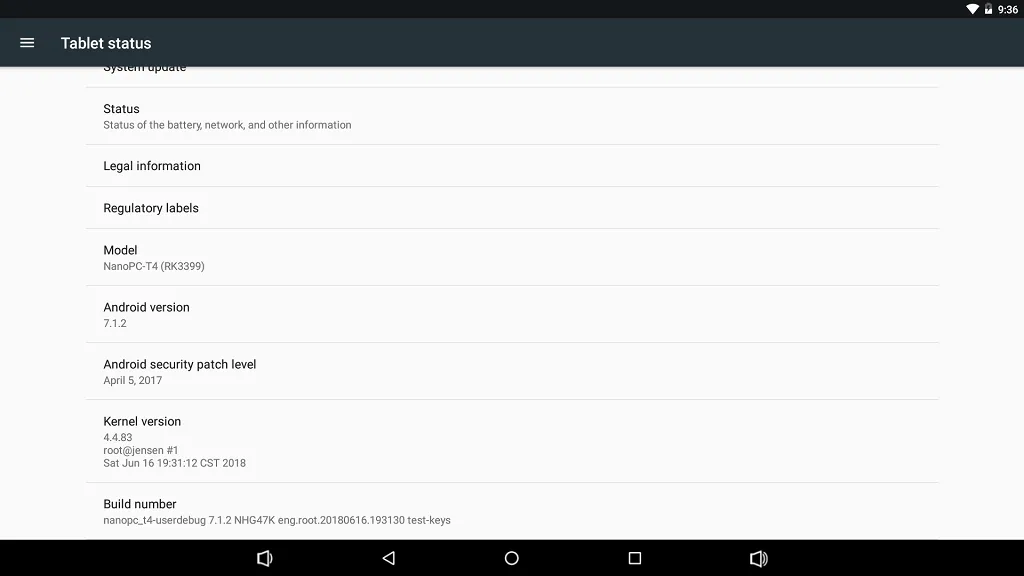
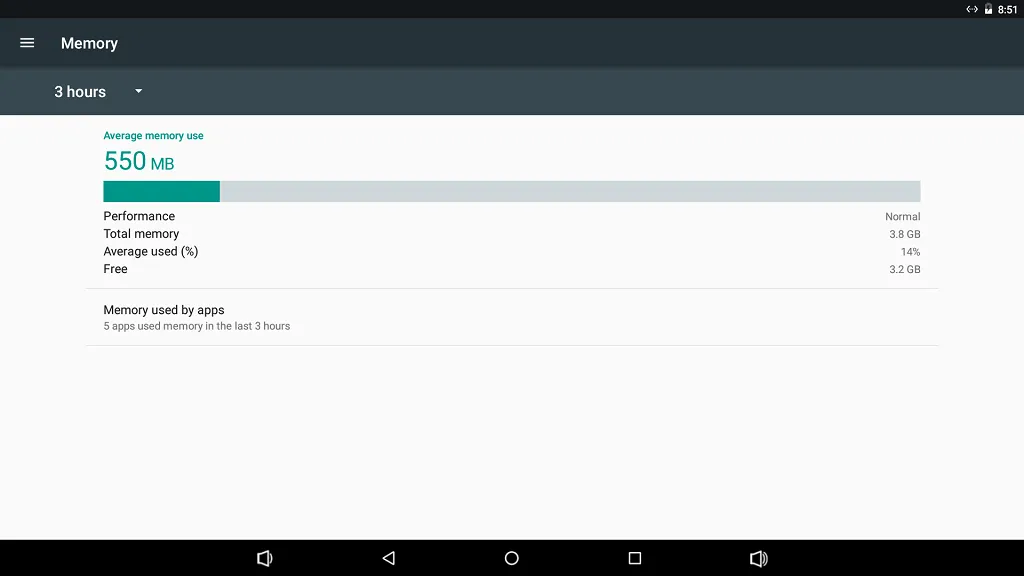
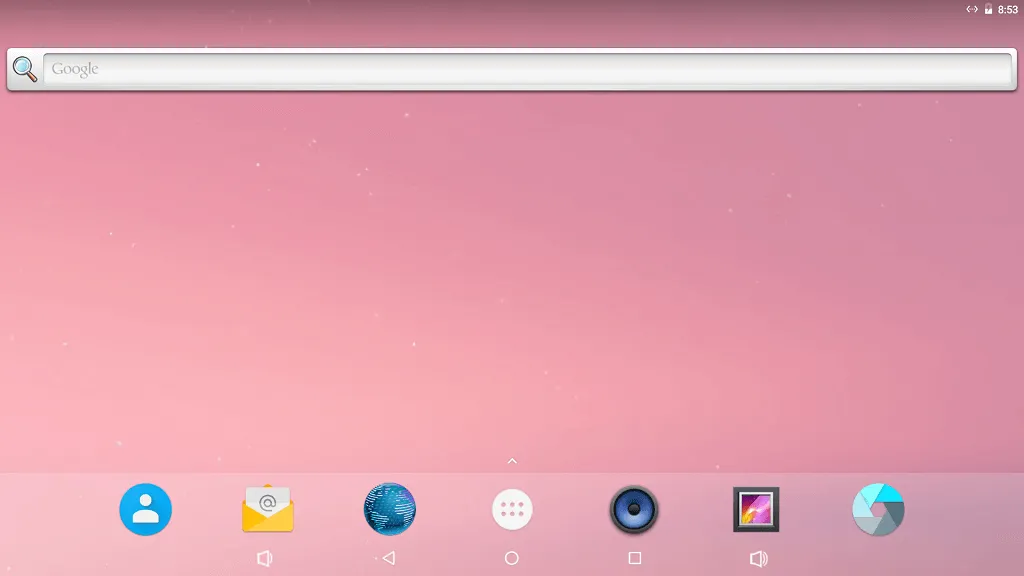
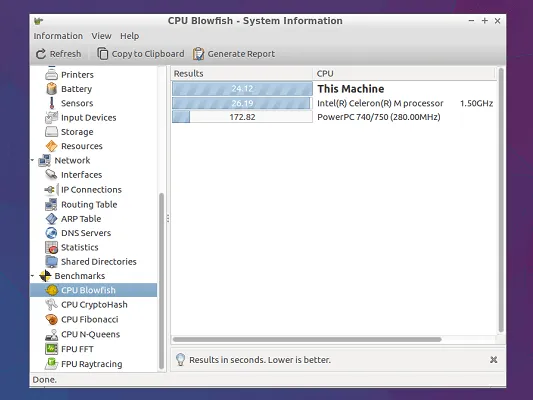
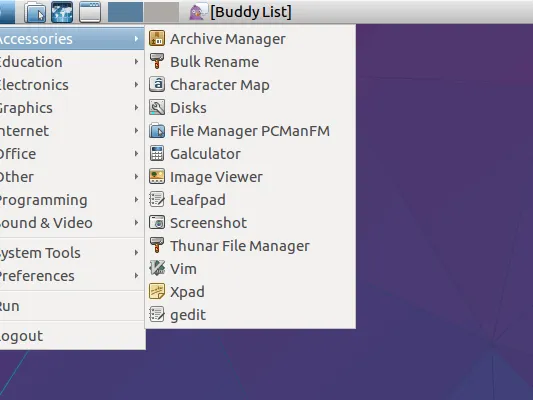
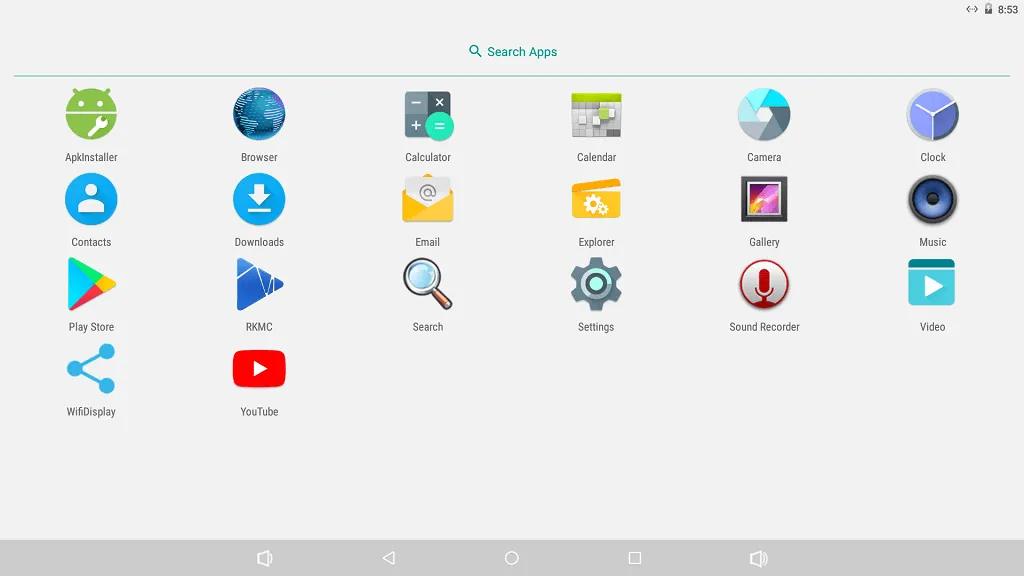
Jumping to the main highlights this board has to offer. The NanoPC-T4 comes with a massive 4GB of RAM which is more than enough to smoothly run multiple apps in the background under Android 7.1.2 and Ubuntu with zero glitches. Android and Linux, can be very limited for users that are interested in experiencing a wide variety of operating systems. That said, my experience running both images was nothing but good. Ubuntu came configured properly with all the WiFi and LAN settings. The operating systems booted from eMMC very fast, in a matter of a few seconds.

You don’t have to be a rocket genius to know how to burn the images. FriendlyARM created a user-friendly tool called eFlasher (eMMC-flasher) utility, that lets you burn the easily burn images into the 16GB eMMC Chip with a click of a button.

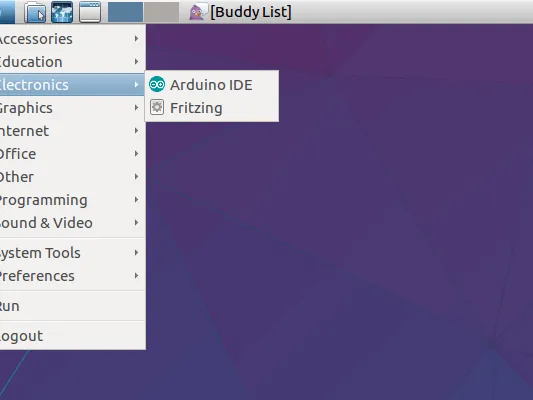
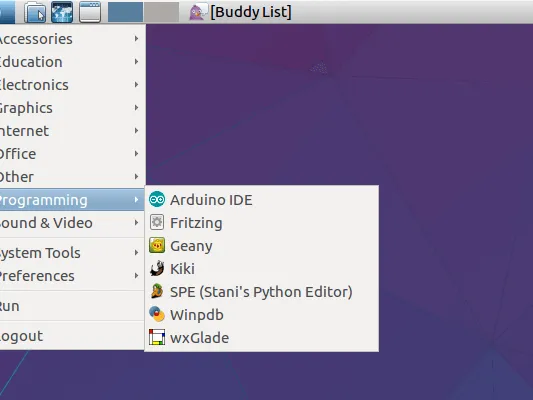
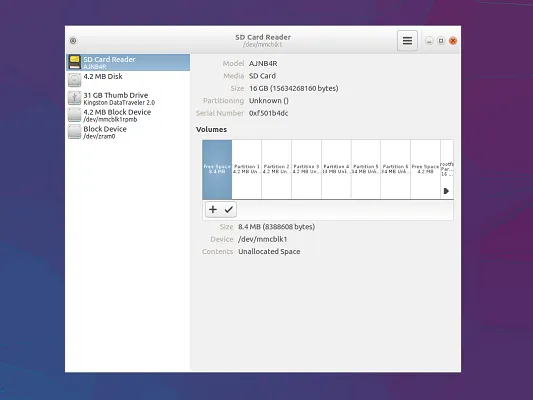
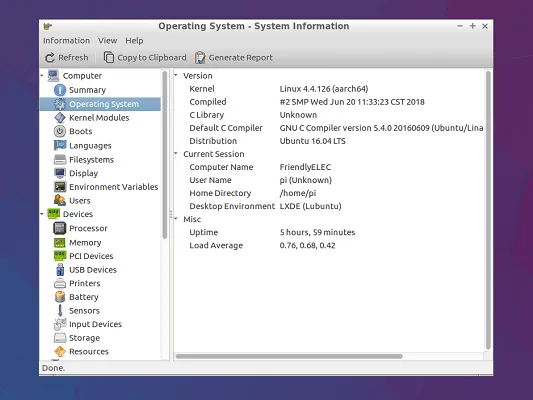
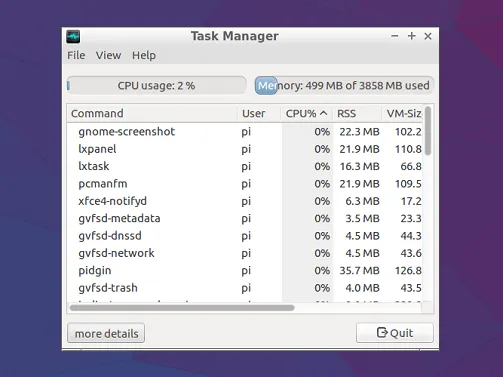
Lubuntu 16.04 LTS | Screenshots 
  • NanoPC T4 Lubuntu CPU
    NanoPC T4 Lubuntu CPU
  • NanoPC T4 Lubuntu Accessories
    NanoPC T4 Lubuntu Accessories
  • NanoPC T4 Lubuntu Electronics
    NanoPC T4 Lubuntu Electronics
  • NanoPC T4 Lubuntu Filesystems
    NanoPC T4 Lubuntu Filesystems
  • NanoPC T4 Lubuntu Memory
    NanoPC T4 Lubuntu Memory
  • NanoPC T4 Lubuntu Network
    NanoPC T4 Lubuntu Network
  • NanoPC T4 Lubuntu Office
    NanoPC T4 Lubuntu Office
  • NanoPC T4 Lubuntu Other
    NanoPC T4 Lubuntu Other
  • NanoPC T4 Lubuntu Preferences
    NanoPC T4 Lubuntu Preferences
  • NanoPC T4 Lubuntu Programming
    NanoPC T4 Lubuntu Programming
  • NanoPC T4 Lubuntu Storage
    NanoPC T4 Lubuntu Storage
  • NanoPC T4 Lubuntu System
    NanoPC T4 Lubuntu System
  • NanoPC T4 Lubuntu Task Manager
    NanoPC T4 Lubuntu Task Manager
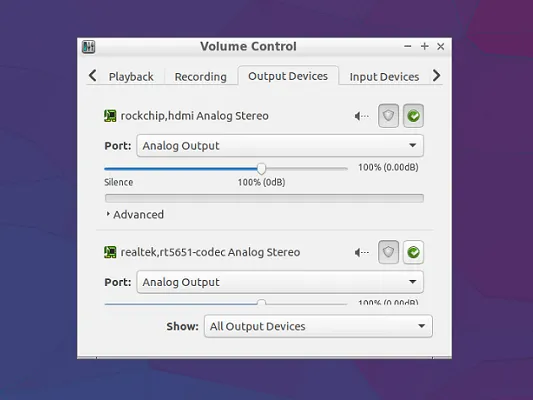
  • NanoPC T4 Lubuntu Volume Control
    NanoPC T4 Lubuntu Volume Control

Android 7.1.2 | Screenshots 
NanoPC T4 Android 2
NanoPC T4 Android 2
NanoPC T4 Android 3
NanoPC T4 Android 3
NanoPC T4 Android 4
NanoPC T4 Android 4
NanoPC T4 Android 5
NanoPC T4 Android 5
NanoPC T4 Android 6
NanoPC T4 Android 6
NanoPC T4 Android 1
NanoPC T4 Android 1

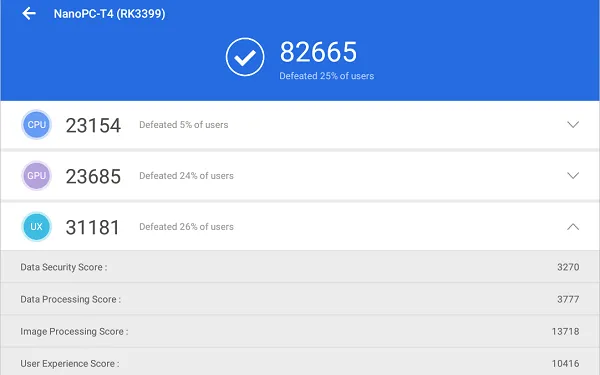
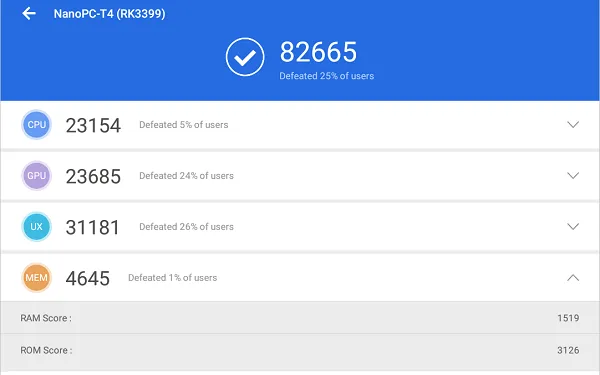
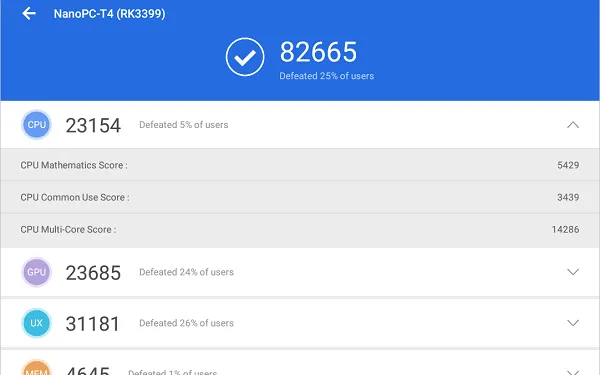
AnTuTu Benchmark

  • NanoPC T4 AnTuTu P1
    NanoPC T4 AnTuTu P1
  • NanoPC T4 AnTuTu P2
    NanoPC T4 AnTuTu P2
  • NanoPC T4 AnTuTu P3
    NanoPC T4 AnTuTu P3
  • NanoPC T4 AnTuTu P4
    NanoPC T4 AnTuTu P4
  • NanoPC T4 AnTuTu P5
    NanoPC T4 AnTuTu P5

Assembling All Items Together

  • NanoPC T4 Assemble P1
    NanoPC T4 Assemble P1
  • NanoPC T4 Assemble P2
    NanoPC T4 Assemble P2
  • NanoPC T4 Assemble P3
    NanoPC T4 Assemble P3
  • NanoPC T4 Assemble P4
    NanoPC T4 Assemble P4
  • NanoPC T4 Assemble P5
    NanoPC T4 Assemble P5
  • NanoPC T4 Assemble P6
    NanoPC T4 Assemble P6
  • NanoPC T4 Assemble P7
    NanoPC T4 Assemble P7
  • NanoPC T4 Assemble P9
    NanoPC T4 Assemble P9
  • NanoPC T4 Assemble P10
    NanoPC T4 Assemble P10
  • NanoPC T4 Assemble P8
    NanoPC T4 Assemble P8
  • NanoPC T4 Assemble P11
    NanoPC T4 Assemble P11
  • NanoPC T4 Assemble P12
    NanoPC T4 Assemble P12
  • NanoPC T4 Assemble P13
    NanoPC T4 Assemble P13
  • NanoPC T4 Assemble P14
    NanoPC T4 Assemble P14

Final verdict

No doubt that the Nano PC T4 is an excellent SBC designed for power users looking for high-quality hardware suitable for high-demand applications. As a user, I was missing more extensive software support. For example, more Linux distributions and perhaps Kodi media play to work under Lubuntu OS. This review was very general, focusing on the board’s main features, without testing the wide selection of interfaces it has to offer. Having said that, If you are looking for a top-level board and willing to compromise on using only two types of an operating systems, then this board is a great choice.

Share. Facebook Twitter Pinterest LinkedIn Tumblr Email
Previous ArticleROCK PI 4 New Redesigned M.2 SATA SSD Expansion Board
Next Article Apple AirPods Alternative Review – Q32 TWS Wireless Earbuds Review
androidpimp
  • Website

Related Posts

Orange Pi 6

Orange Pi 6: Why Buy an AI HAT+? This SBC has 45 TOPS of Integrated AI Power

February 17, 2026
Banana bpi r4 pro

Banana Pi BPI-R4 Pro Review: The Best WiFi 7 OpenWrt Router? We Checked!

February 7, 2026
KICKPI K7 Development Board

Kickpi K7C RK3576 Edge AI SBC Launches with 6 TOPS AI Power & Dual Gigabit Ethernet

December 15, 2025

Comments are closed.

PureVPN
PureVPN Ad Banner
VyprVPN – No. 1 in Anonymity
Vyprvpn 350x260
PrivadoVPN – No. 1 in Parental Control
PrivadoVPN 350x437
Recent Posts
  • Top Global AliExpress Promo Codes February 23, 2026
  • CamThink NE301 Review: 25 FPS YOLOv8 on STM32 Edge AI
  • PrivadoVPN Review 2026: Is the Best Free VPN Still Good for Streaming?
  • Orange Pi 6: Why Buy an AI HAT+? This SBC has 45 TOPS of Integrated AI Power
  • AliExpress Shopping Guide 2026: How to Find Top Deals & Avoid Scams
  • WaveNote AI: ChatGPT Powered Meeting Summaries & Call Transcripts
  • Banana Pi BPI-R4 Pro Review: The Best WiFi 7 OpenWrt Router? We Checked!
  • Best Off-Grid LoRa Mesh Messenger [2026] – LoraSecret
  • Redmi Turbo 5 Max (2026) unveiled with 9,000mAh battery, specs, price, and design
  • HiWonder WonderLLM: ESP32-S3 AI Vision & Chatbot Module with 2MP Camera
RSS The Latest RSS Feeds
  • Top Global AliExpress Promo Codes February 22, 2026
  • CamThink NE301 Review: 25 FPS YOLOv8 on STM32 Edge AI
  • PrivadoVPN Review 2026: Is the Best Free VPN Still Good for Streaming?
Facebook X (Twitter) Instagram Pinterest
@2026 - All Right Reserved. Designed by AndroidPIMP

Type above and press Enter to search. Press Esc to cancel.

Powered by
►
Necessary cookies enable essential site features like secure log-ins and consent preference adjustments. They do not store personal data.
None
►
Functional cookies support features like content sharing on social media, collecting feedback, and enabling third-party tools.
None
►
Analytical cookies track visitor interactions, providing insights on metrics like visitor count, bounce rate, and traffic sources.
None
►
Advertisement cookies deliver personalized ads based on your previous visits and analyze the effectiveness of ad campaigns.
None
►
Unclassified cookies are cookies that we are in the process of classifying, together with the providers of individual cookies.
None
Powered by
Accessibility
Accessibility modes
Epilepsy Safe Mode
Dampens color and removes blinks
This mode enables people with epilepsy to use the website safely by eliminating the risk of seizures that result from flashing or blinking animations and risky color combinations.
Visually Impaired Mode
Improves website's visuals
This mode adjusts the website for the convenience of users with visual impairments such as Degrading Eyesight, Tunnel Vision, Cataract, Glaucoma, and others.
Cognitive Disability Mode
Helps to focus on specific content
This mode provides different assistive options to help users with cognitive impairments such as Dyslexia, Autism, CVA, and others, to focus on the essential elements of the website more easily.
ADHD Friendly Mode
Reduces distractions and improve focus
This mode helps users with ADHD and Neurodevelopmental disorders to read, browse, and focus on the main website elements more easily while significantly reducing distractions.
Blindness Mode
Allows using the site with your screen-reader
This mode configures the website to be compatible with screen-readers such as JAWS, NVDA, VoiceOver, and TalkBack. A screen-reader is software for blind users that is installed on a computer and smartphone, and websites must be compatible with it.
Readable Experience
Content Scaling
Default
Text Magnifier
Readable Font
Dyslexia Friendly
Highlight Titles
Highlight Links
Font Sizing
Default
Letter Spacing
Default
Left Aligned
Center Aligned
Right Aligned
Visually Pleasing Experience
Dark Contrast
Light Contrast
Monochrome
High Contrast
High Saturation
Low Saturation
Adjust Text Colors
Adjust Title Colors
Adjust Background Colors
Easy Orientation
Mute Sounds
Hide Images
Hide Emoji
Reading Guide
Stop Animations
Reading Mask
Highlight Hover
Highlight Focus
Big Dark Cursor
Big Light Cursor
Cognitive Reading
Virtual Keyboard
Navigation Keys
Voice Navigation

AndroidPIMP

Accessibility Statement

  • AndroidPIMP.com
  • 10/18/2025

Compliance status

We believe the internet should be open and accessible to everyone, and we’re dedicated to making our website usable for the widest audience possible, no matter their circumstances or abilities.

To achieve this, we follow the World Wide Web Consortium’s (W3C) Web Content Accessibility Guidelines 2.1 (WCAG 2.1) at the AA level as closely as possible. These guidelines outline how to make web content accessible for people with a variety of disabilities. By complying with them, we help ensure our website is usable by everyone, including those who are blind, have motor or visual impairments, cognitive disabilities, and more.

This website uses a range of technologies to stay accessible at all times. An accessibility interface lets people with specific disabilities customize the site’s UI and design to fit their personal needs.

The website also uses an AI-powered application that works in the background to constantly enhance its accessibility. This app fixes the site’s HTML, adjusts its features and behavior for screen readers used by blind users, and optimizes keyboard functions for people with motor impairments.

If you’ve found a malfunction or have ideas for improvement, we’ll be happy to hear from you. You can reach out to the website’s operators by using the following email [email protected]

Screen-reader and keyboard navigation

Our website implements the ARIA attributes (Accessible Rich Internet Applications) technique, alongside various different behavioral changes, to ensure blind users visiting with screen-readers are able to read, comprehend, and enjoy the website’s functions. As soon as a user with a screen-reader enters your site, they immediately receive a prompt to enter the Screen-Reader Profile so they can browse and operate your site effectively. Here’s how our website covers some of the most important screen-reader requirements, alongside console screenshots of code examples:

  1. Screen-reader optimization:we run a background process that learns the website’s components from top to bottom, to ensure ongoing compliance even when updating the website. In this process, we provide screen-readers with meaningful data using the ARIA set of attributes. For example, we provide accurate form labels; descriptions for actionable icons (social media icons, search icons, cart icons, etc.); validation guidance for form inputs; element roles such as buttons, menus, modal dialogues (popups), and others. Additionally, the background process scans all the website’s images and provides an accurate and meaningful image-object-recognition-based description as an ALT (alternate text) tag for images that are not described. It will also extract texts that are embedded within the image, using an OCR (optical character recognition) technology. To turn on screen-reader adjustments at any time, users need only to press the Alt+1 keyboard combination. Screen-reader users also get automatic announcements to turn the Screen-reader mode on as soon as they enter the website.

    These adjustments are compatible with all popular screen readers, including JAWS and NVDA.

  2. Keyboard navigation optimization:The background process also adjusts the website’s HTML, and adds various behaviors using JavaScript code to make the website operable by the keyboard. This includes the ability to navigate the website using the Tab and Shift+Tab keys, operate dropdowns with the arrow keys, close them with Esc, trigger buttons and links using the Enter key, navigate between radio and checkbox elements using the arrow keys, and fill them in with the Spacebar or Enter key.Additionally, keyboard users will find quick-navigation and content-skip menus, available at any time by clicking Alt+1, or as the first elements of the site while navigating with the keyboard. The background process also handles triggered popups by moving the keyboard focus towards them as soon as they appear, and not allow the focus drift outside it.

    Users can also use shortcuts such as “M” (menus), “H” (headings), “F” (forms), “B” (buttons), and “G” (graphics) to jump to specific elements.

Disability profiles supported in our website

  • Epilepsy Safe Mode: this profile enables people with epilepsy to use the website safely by eliminating the risk of seizures that result from flashing or blinking animations and risky color combinations.
  • Visually Impaired Mode: this mode adjusts the website for the convenience of users with visual impairments such as Degrading Eyesight, Tunnel Vision, Cataract, Glaucoma, and others.
  • Cognitive Disability Mode: this mode provides different assistive options to help users with cognitive impairments such as Dyslexia, Autism, CVA, and others, to focus on the essential elements of the website more easily.
  • ADHD Friendly Mode: this mode helps users with ADHD and Neurodevelopmental disorders to read, browse, and focus on the main website elements more easily while significantly reducing distractions.
  • Blindness Mode: this mode configures the website to be compatible with screen-readers such as JAWS, NVDA, VoiceOver, and TalkBack. A screen-reader is software for blind users that is installed on a computer and smartphone, and websites must be compatible with it.
  • Keyboard Navigation Profile (Motor-Impaired): this profile enables motor-impaired persons to operate the website using the keyboard Tab, Shift+Tab, and the Enter keys. Users can also use shortcuts such as “M” (menus), “H” (headings), “F” (forms), “B” (buttons), and “G” (graphics) to jump to specific elements.

Additional UI, design, and readability adjustments

  1. Font adjustments – users, can increase and decrease its size, change its family (type), adjust the spacing, alignment, line height, and more.
  2. Color adjustments – users can select various color contrast profiles such as light, dark, inverted, and monochrome. Additionally, users can swap color schemes of titles, texts, and backgrounds, with over seven different coloring options.
  3. Animations – person with epilepsy can stop all running animations with the click of a button. Animations controlled by the interface include videos, GIFs, and CSS flashing transitions.
  4. Content highlighting – users can choose to emphasize important elements such as links and titles. They can also choose to highlight focused or hovered elements only.
  5. Audio muting – users with hearing devices may experience headaches or other issues due to automatic audio playing. This option lets users mute the entire website instantly.
  6. Cognitive disorders – we utilize a search engine that is linked to Wikipedia and Wiktionary, allowing people with cognitive disorders to decipher meanings of phrases, initials, slang, and others.
  7. Additional functions – we provide users the option to change cursor color and size, use a printing mode, enable a virtual keyboard, and many other functions.

Browser and assistive technology compatibility

We aim to support the widest array of browsers and assistive technologies as possible, so our users can choose the best fitting tools for them, with as few limitations as possible. Therefore, we have worked very hard to be able to support all major systems that comprise over 95% of the user market share including Google Chrome, Mozilla Firefox, Apple Safari, Opera and Microsoft Edge, JAWS and NVDA (screen readers).

Notes, comments, and feedback

Despite our very best efforts to allow anybody to adjust the website to their needs. There may still be pages or sections that are not fully accessible, are in the process of becoming accessible, or are lacking an adequate technological solution to make them accessible. Still, we are continually improving our accessibility, adding, updating and improving its options and features, and developing and adopting new technologies. All this is meant to reach the optimal level of accessibility, following technological advancements. For any assistance, please reach out to [email protected]