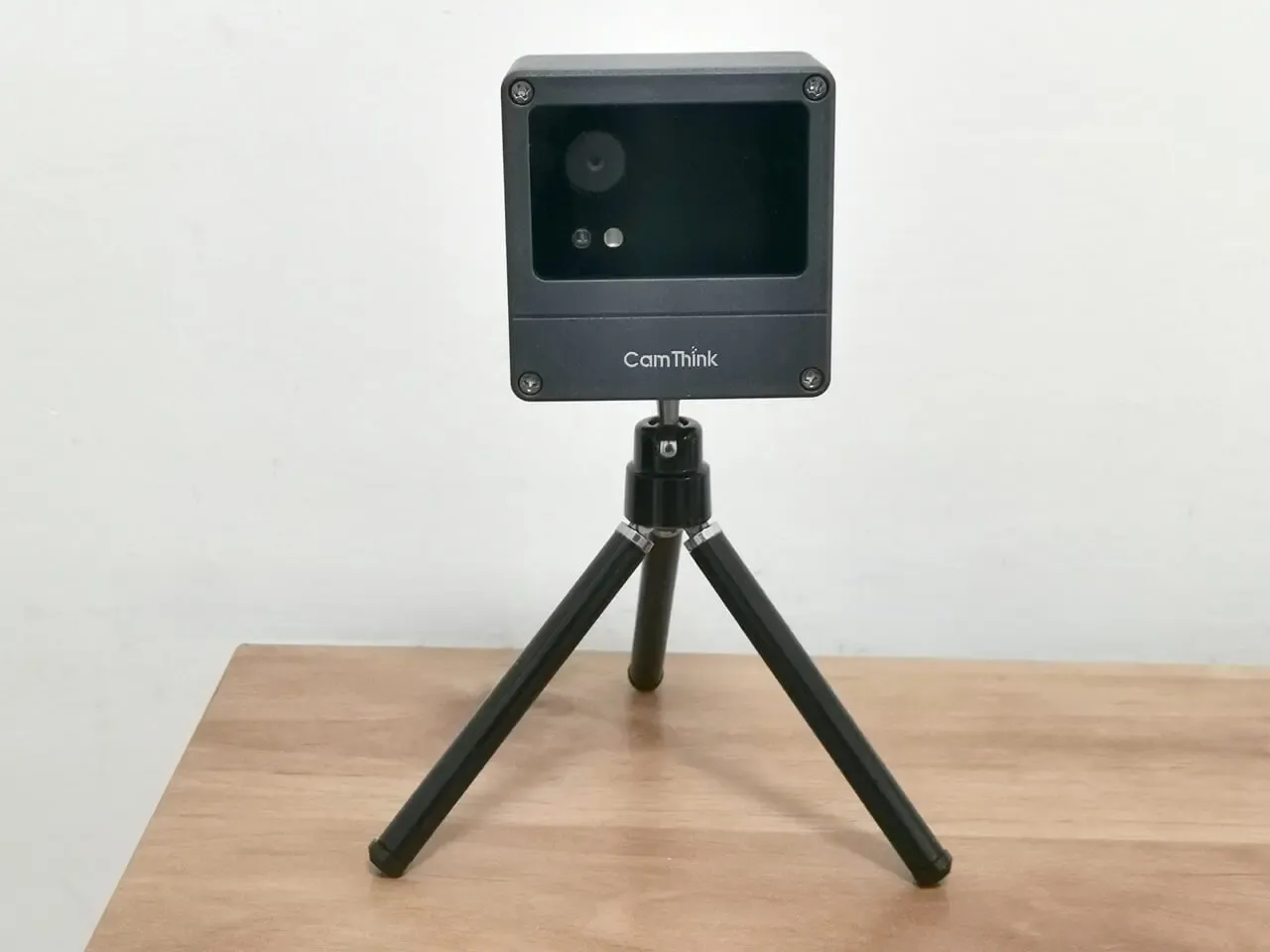
Power supply
The NE310 camera runs on a pack of four type AA 1.5V batteries, neatly placed on the back of the case. While it’s not the most convenient setup, it works well and gets the job done. The batteries can be easily replaced by opening the back cover and removing four Phillips screws.
Powering the NE301 with a cable
Option #1
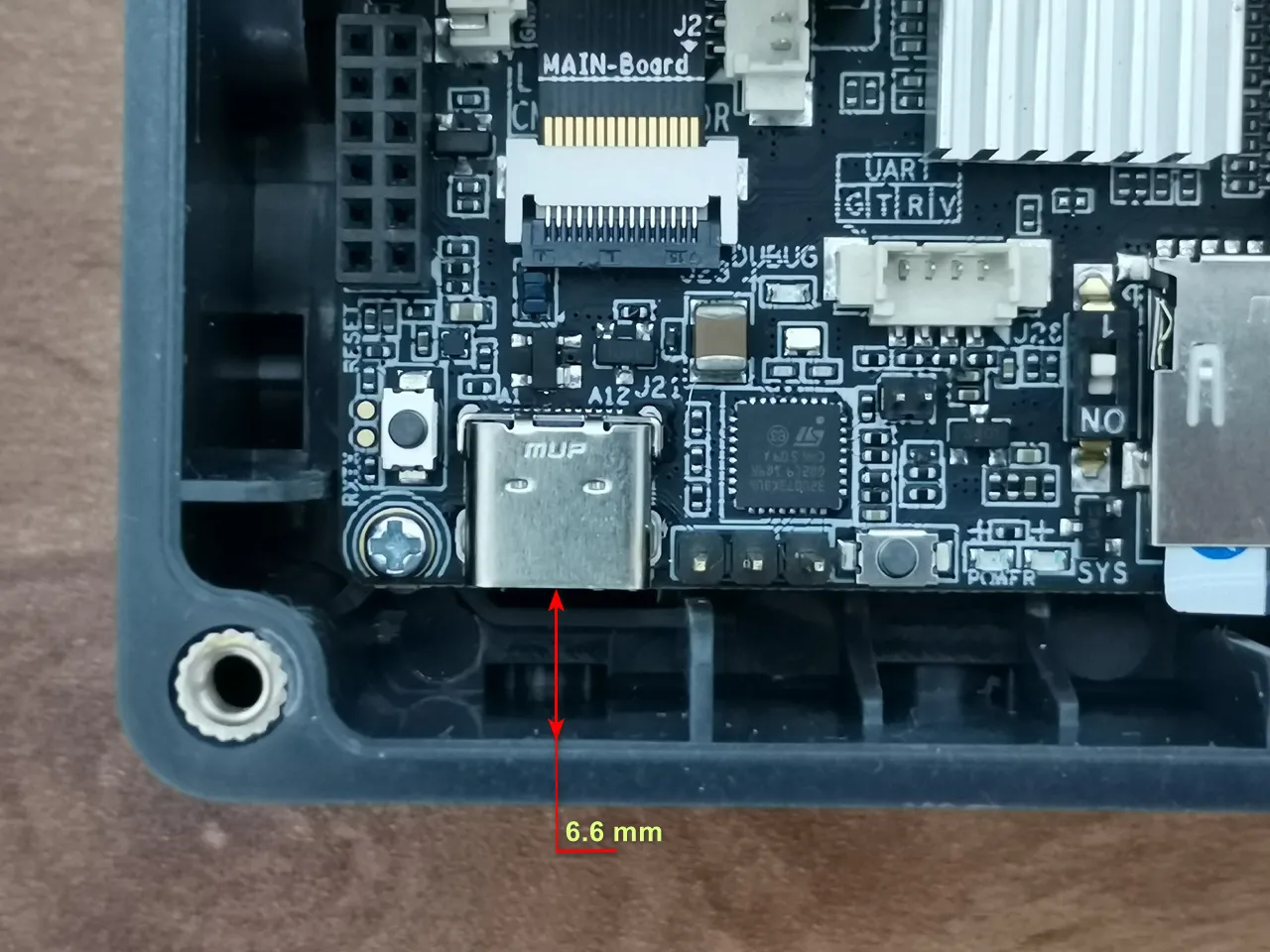
The device can also run on external power via a cable, rather than solely relying on batteries. This wired setup is great for hooking it up to a solar panel, power bank, or 5V adapter. With the slim 6.6 mm gap between the case wall and the port, a flat 90-degree elbow Type-C cable is ideal for a snug, hassle-free fit. You can find one that should work in the link below. Just keep in mind you’ll also need to buy a USB Type-C to Type-A adapter if you’re planning to connect the device directly to a desktop PC.
Item Name | QTY | Buy Link |
Xiwai Flat Power Angled USB-C Type Cable | 1 | ; |
Option #2
As a final option, which will likely work and could be the best choice, is to use a PoE module to supply the required 5V power. The company hasn’t released one yet, but we’re hopeful they will.
Final thoughts
To sum things up, no matter which option you choose, you’ll still need to adjust the back cover to route the USB cable through.
Extra interfaces
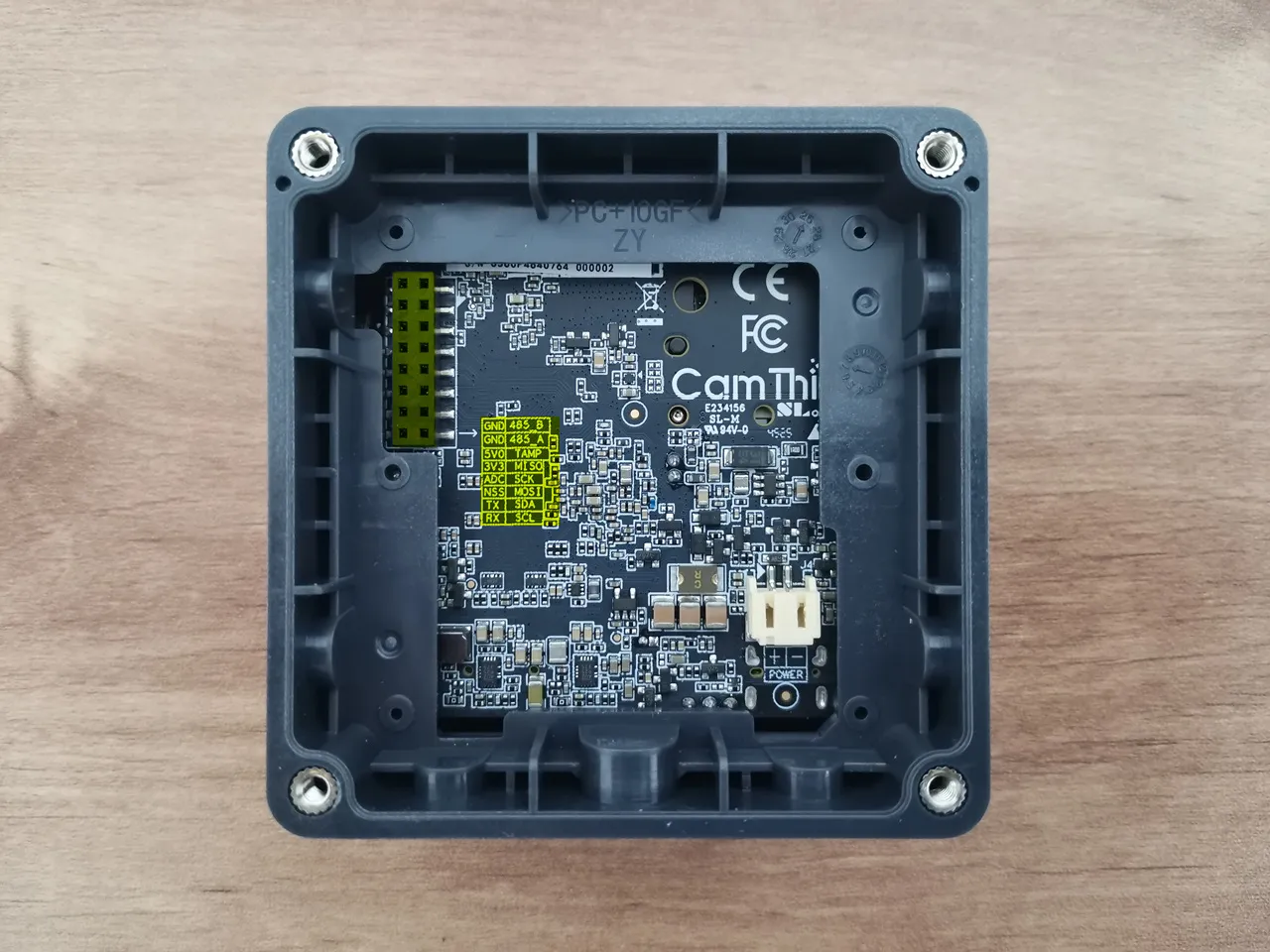
If you’re looking to hook up the NE301 camera to external sensors, there’s a handy 16-pin header on the back of the device. It’s pretty easy to get to once you open the back cover, but if you want to keep the case sealed, you’ll probably need to drill a hole to run the cables through.
A table printed on the board shows that the header can supply both 3V and 5V outputs and supports the I2C protocol, allowing easy connection to external sensors and boards like an Arduino.
A closer look at the back of the NE301 16-pin header