

The aluminum metal case
The package
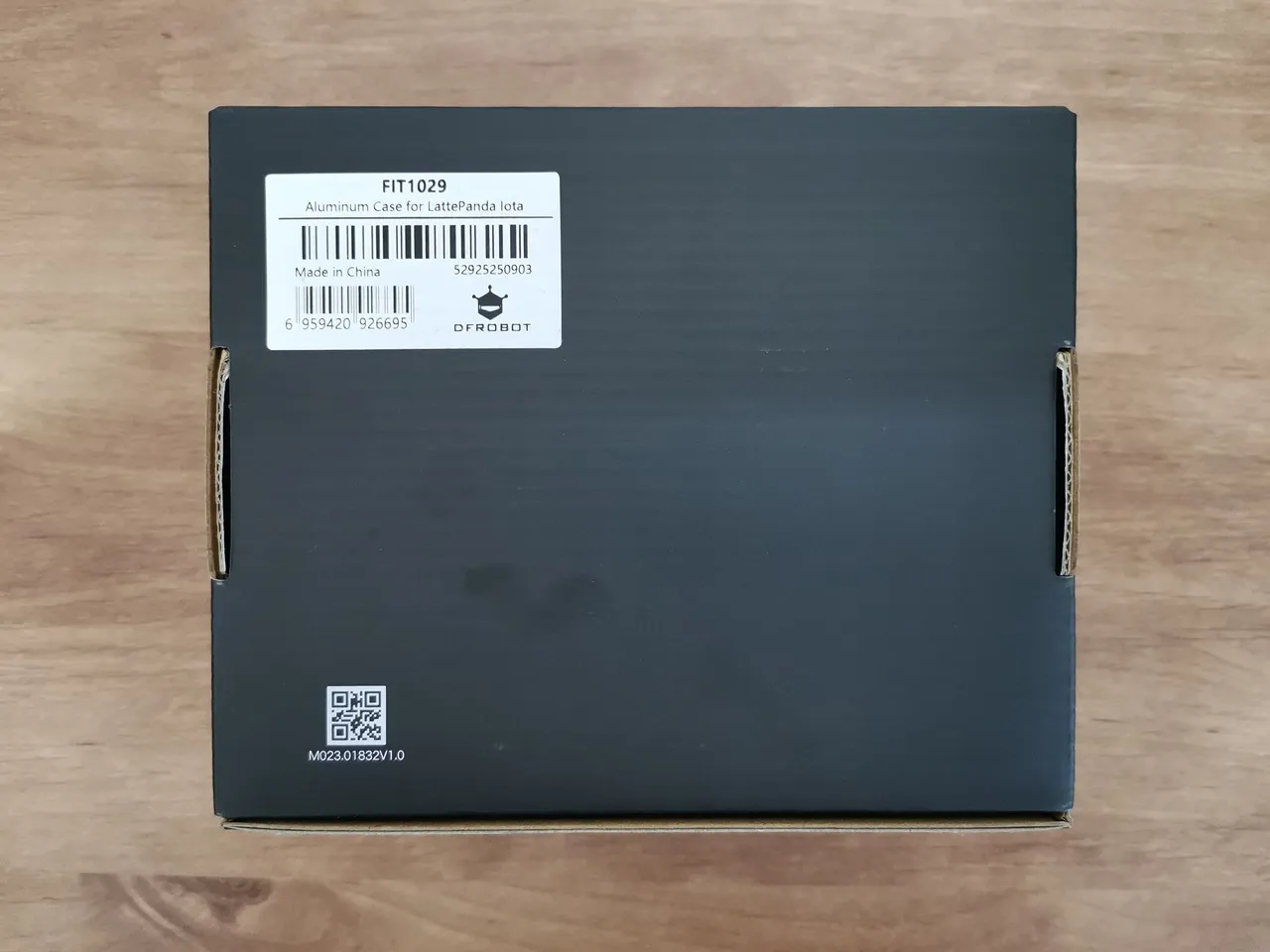
Unboxing
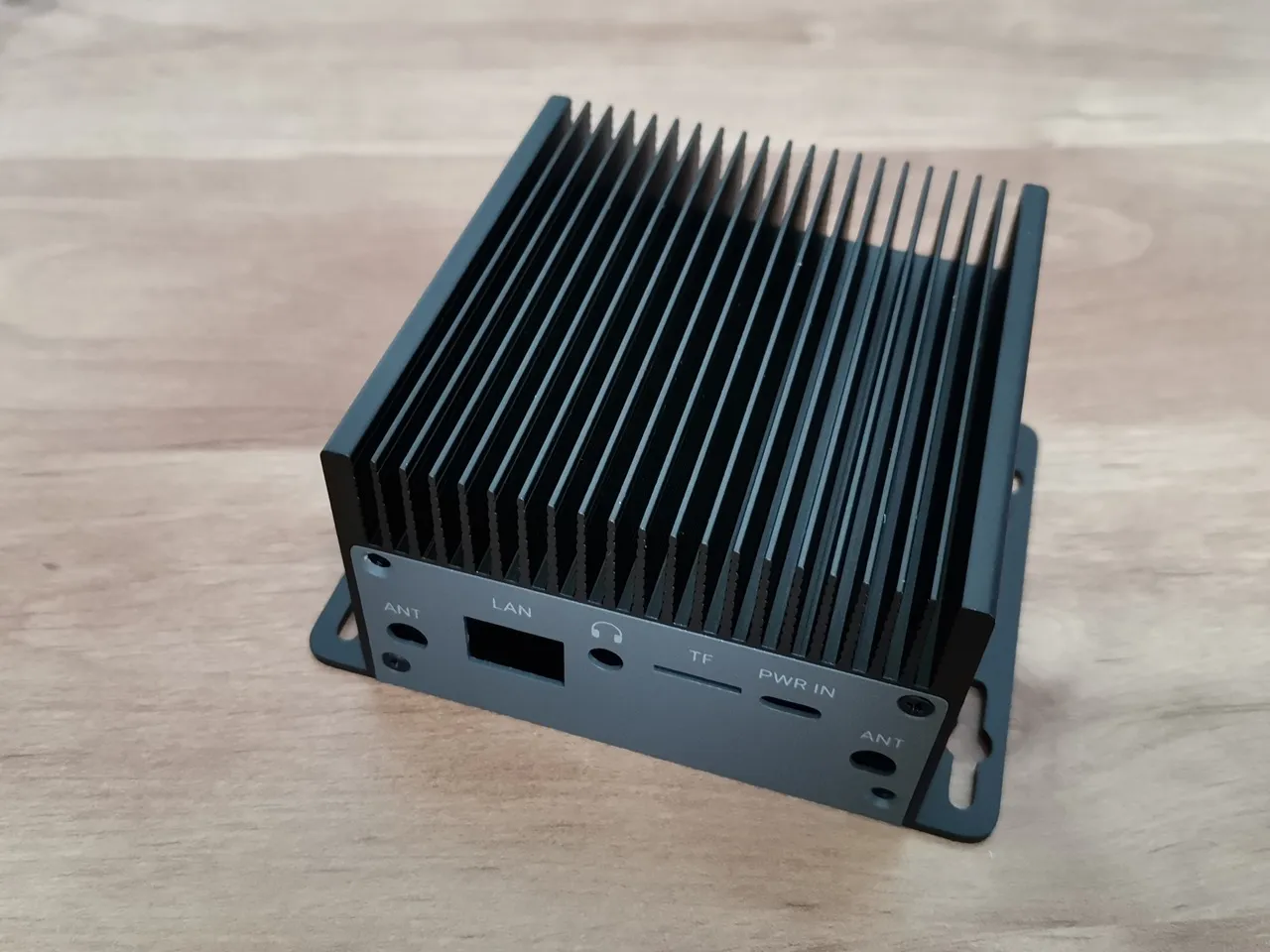
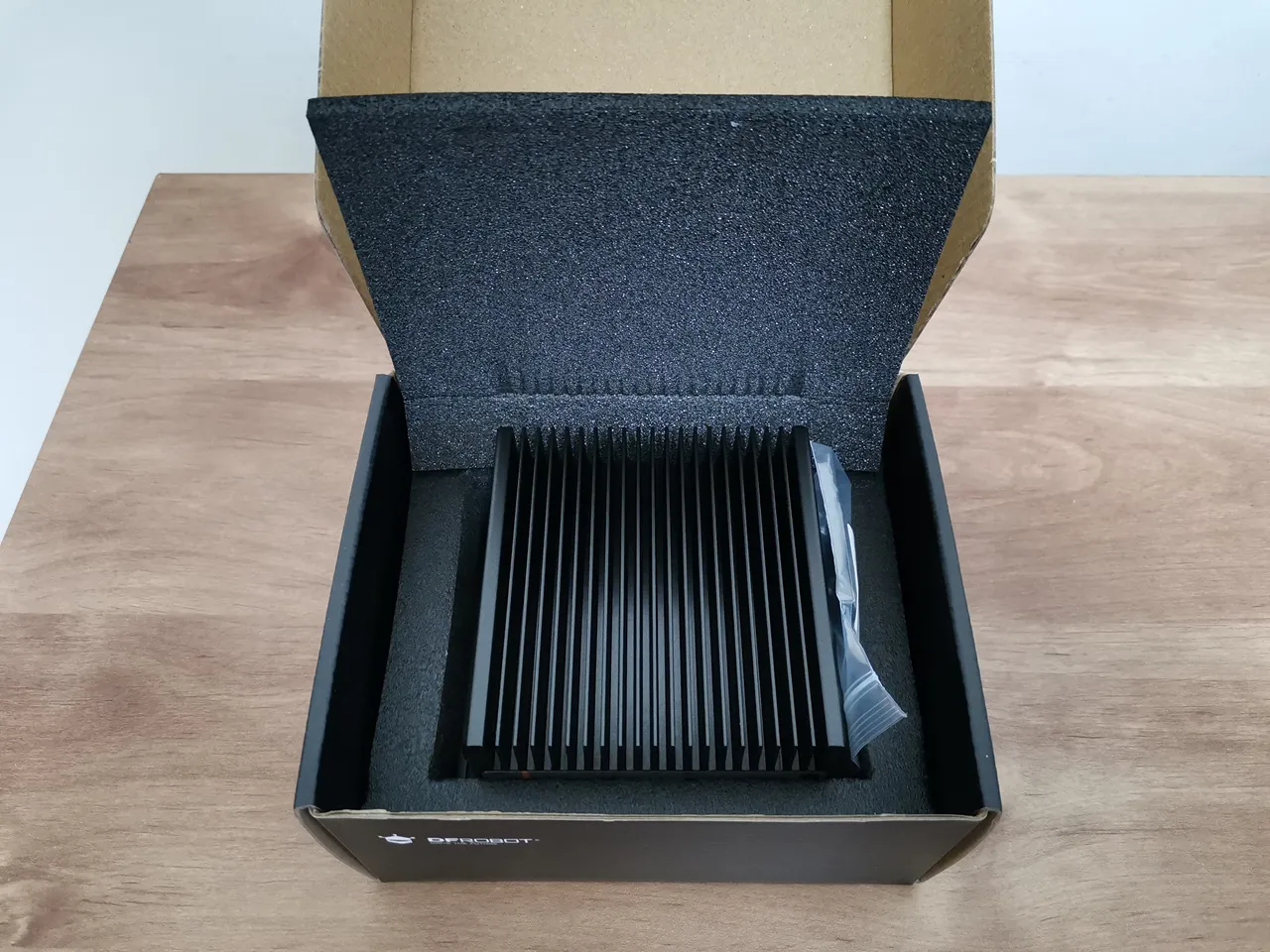
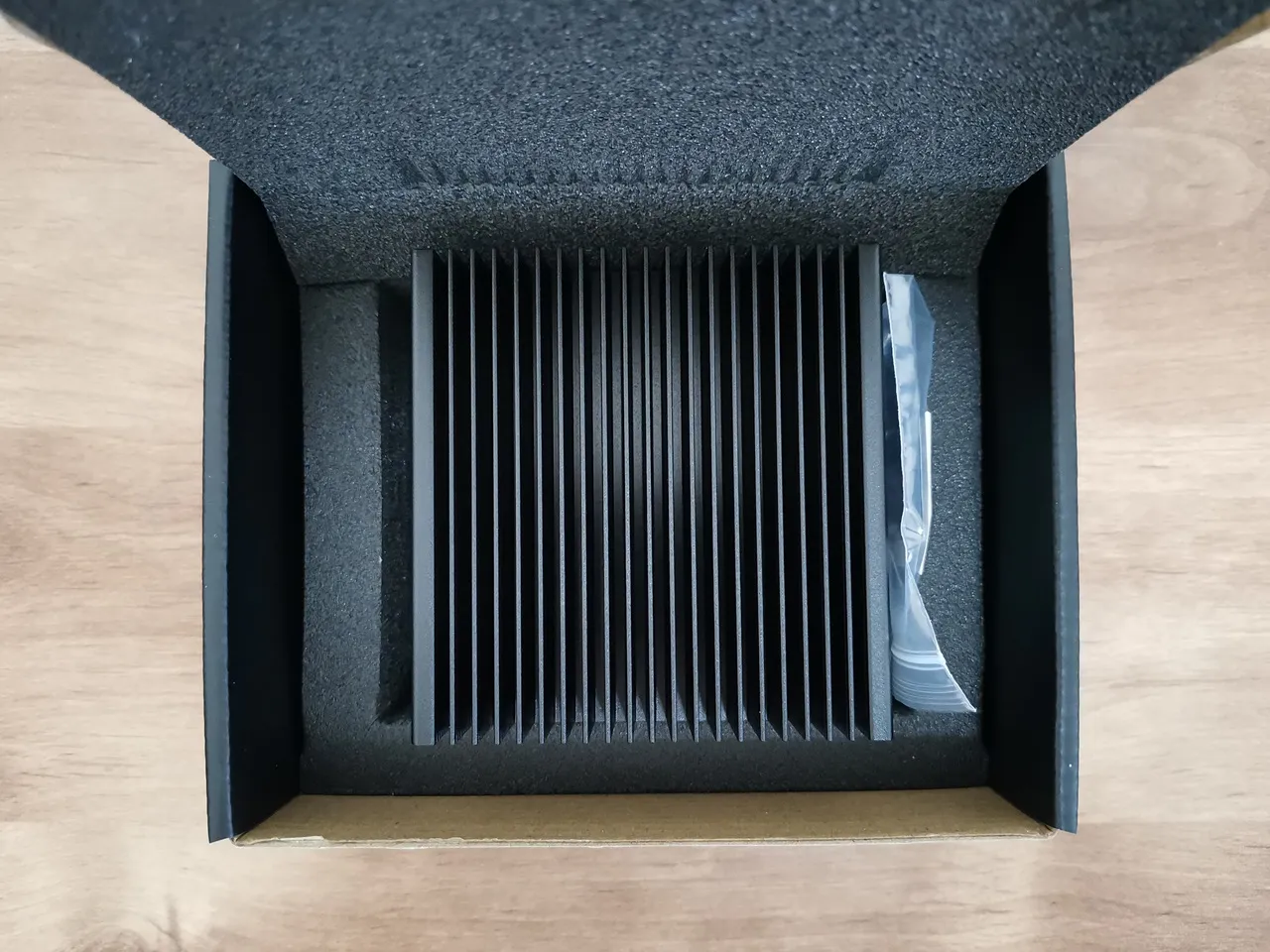
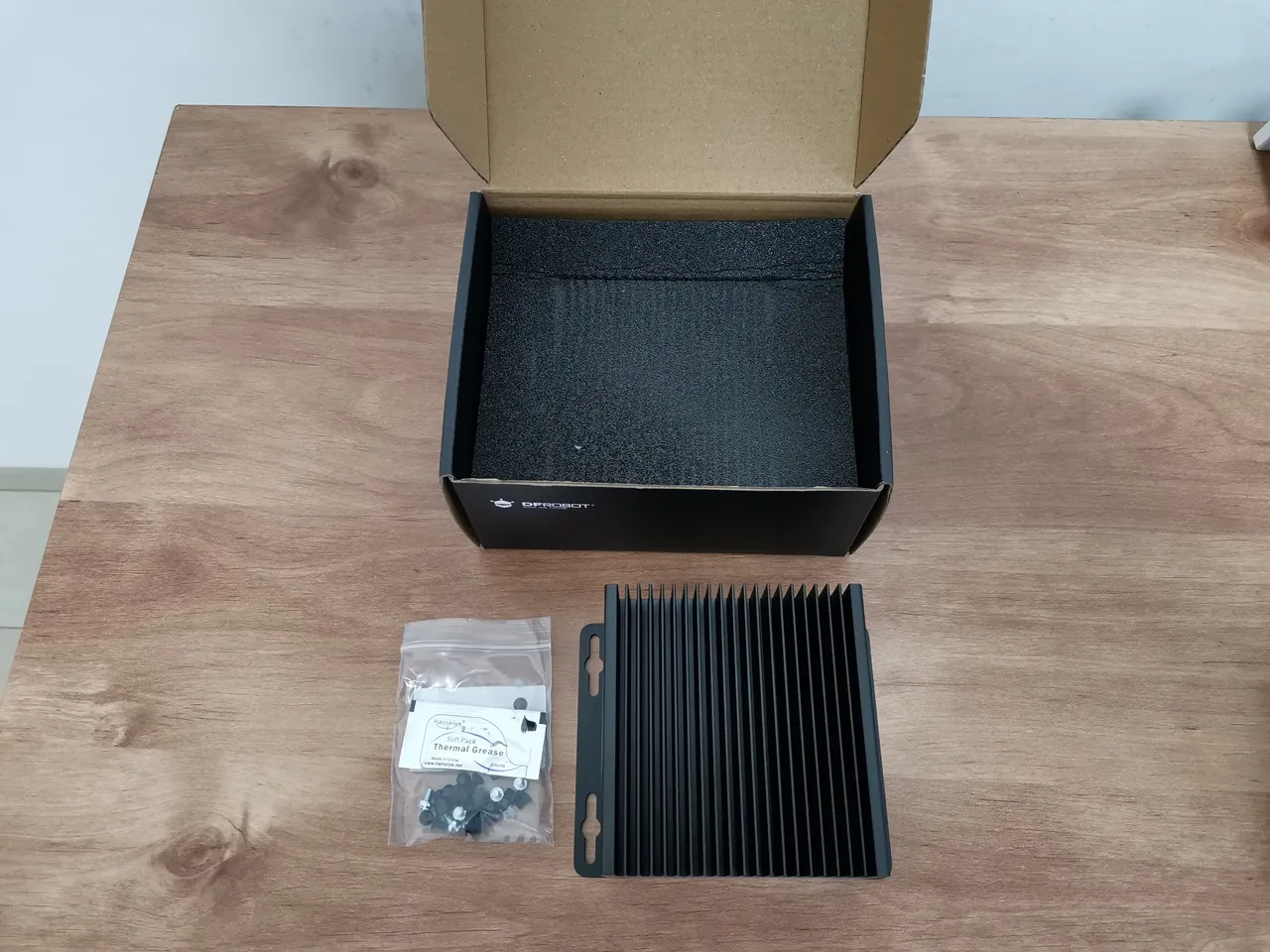
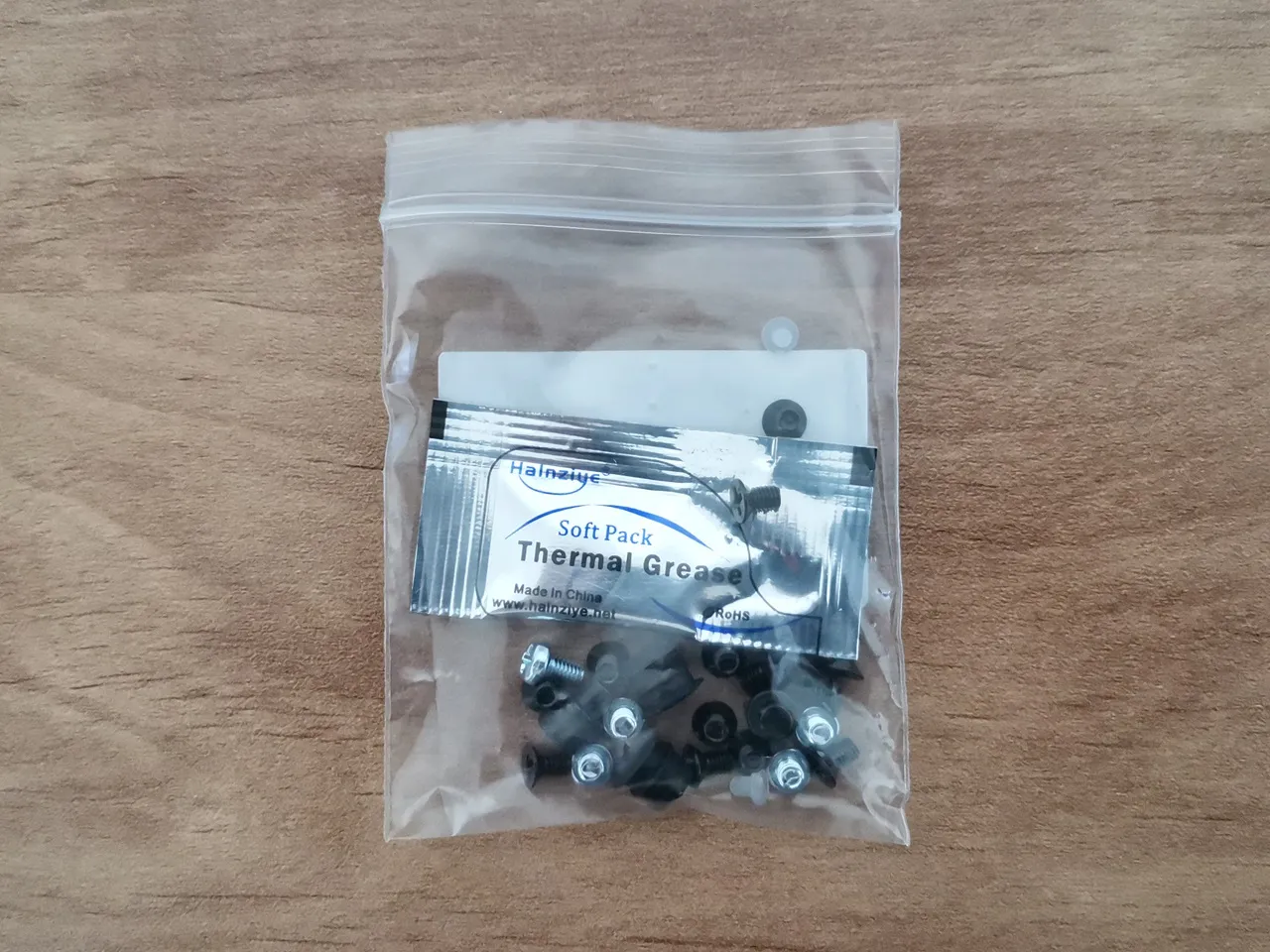
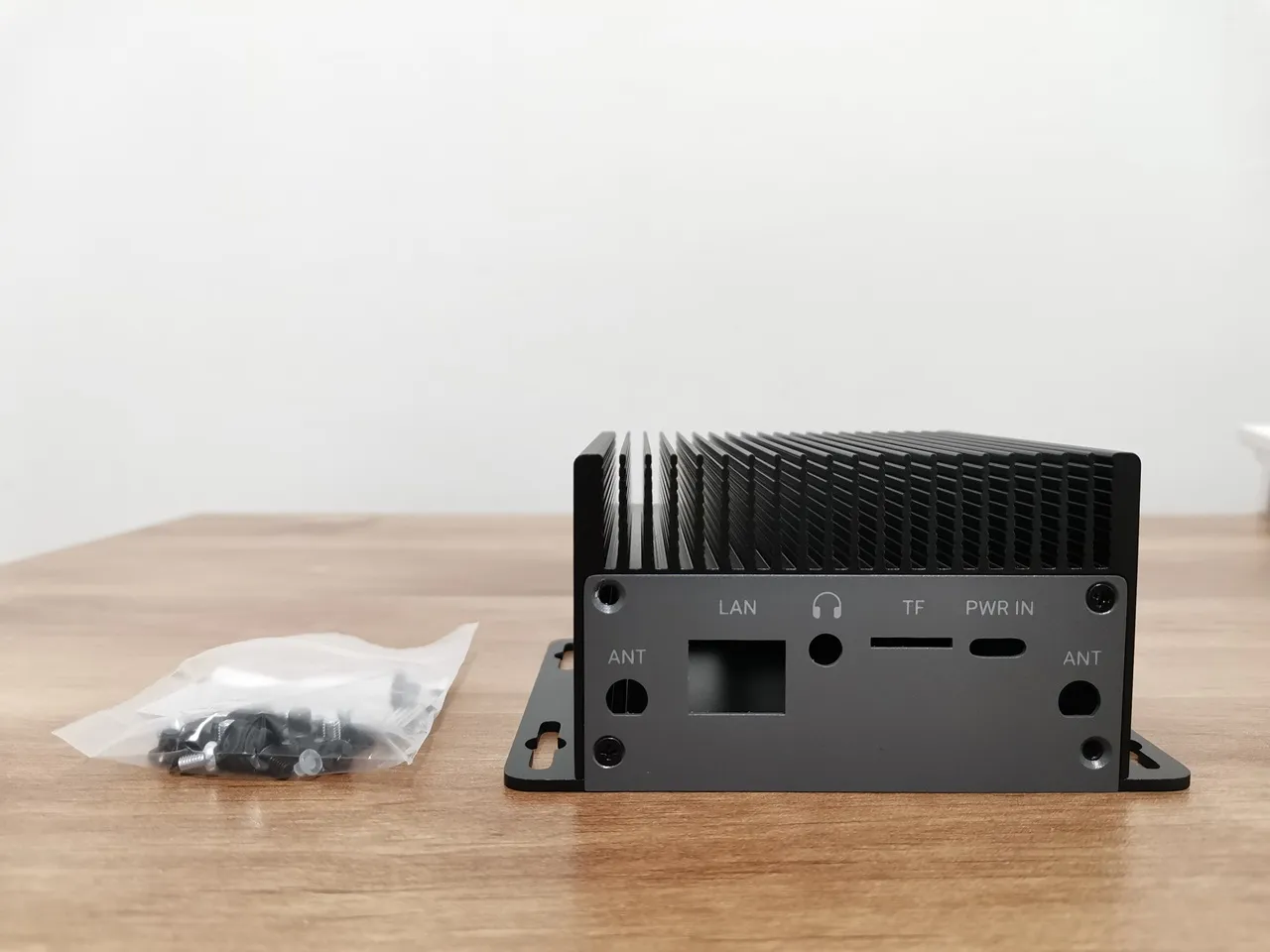
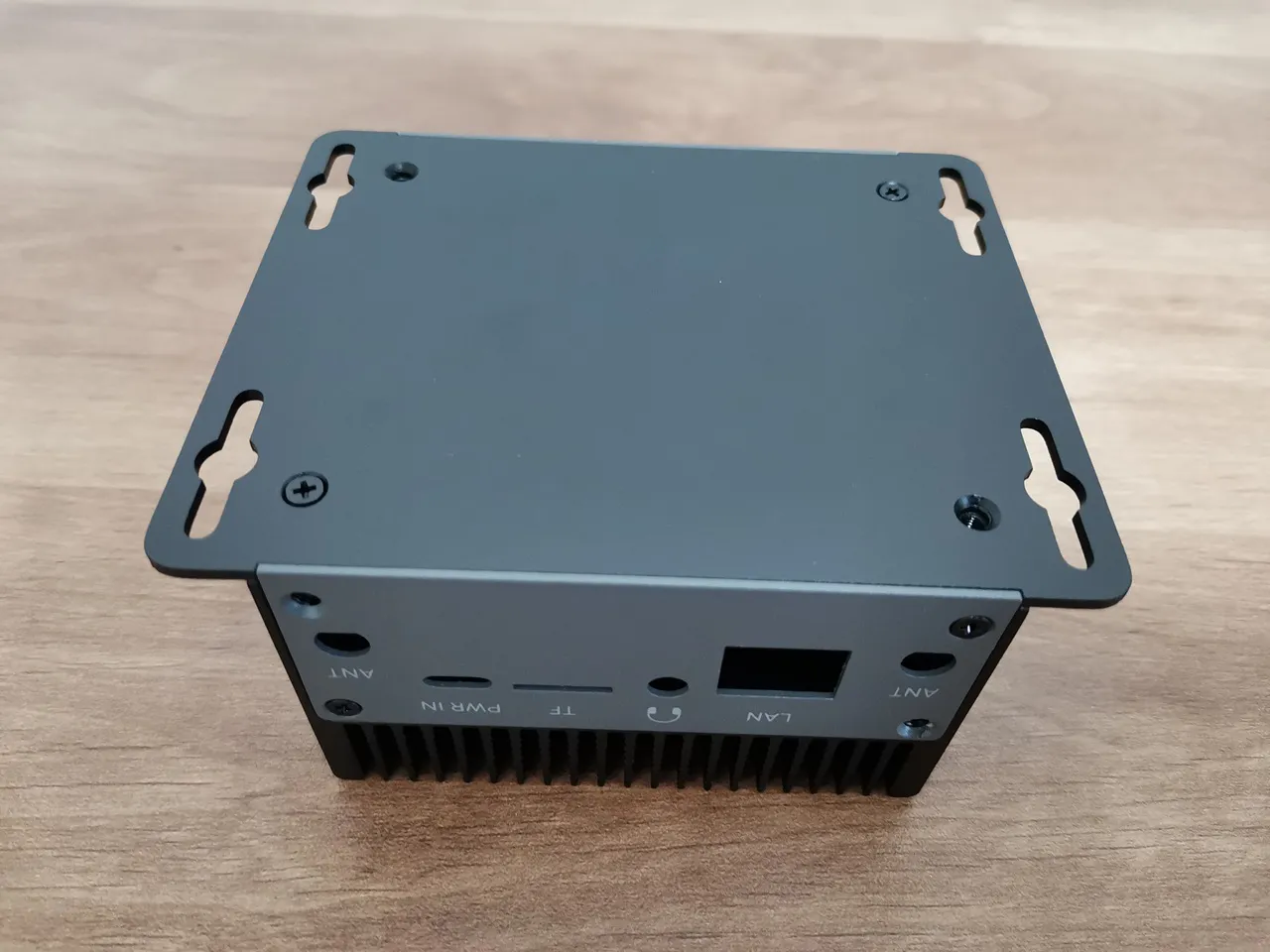
A closer look at the case
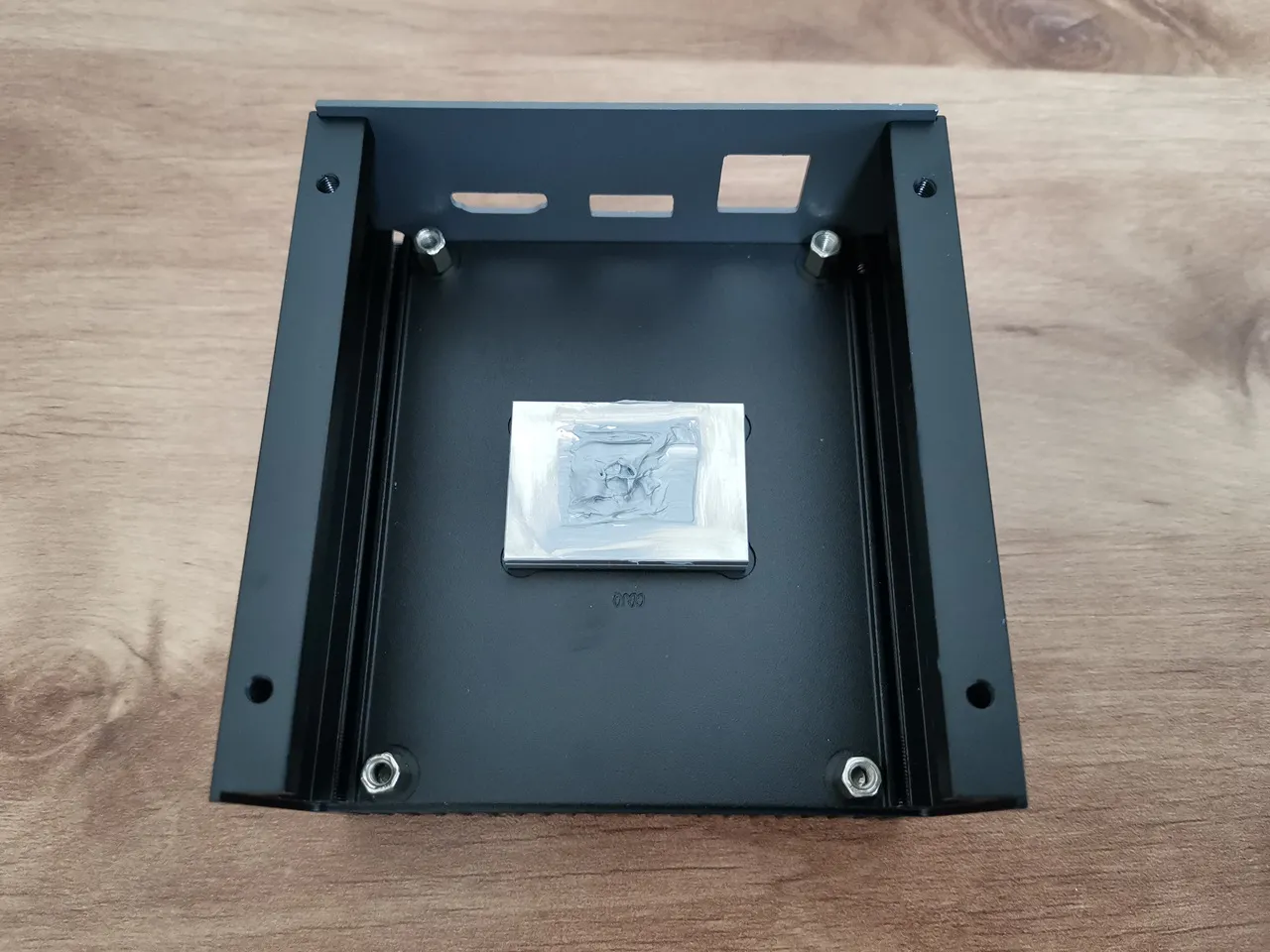
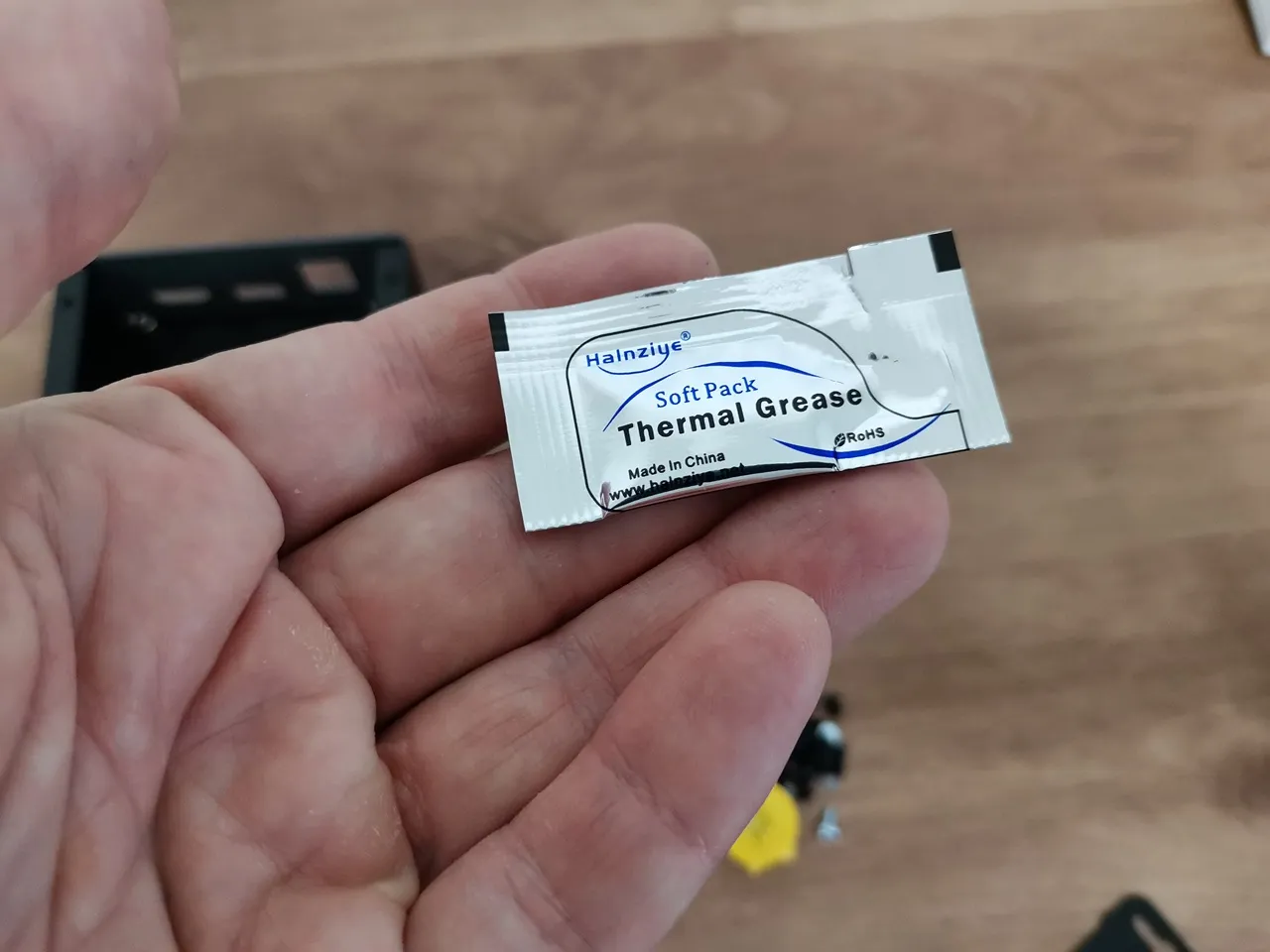
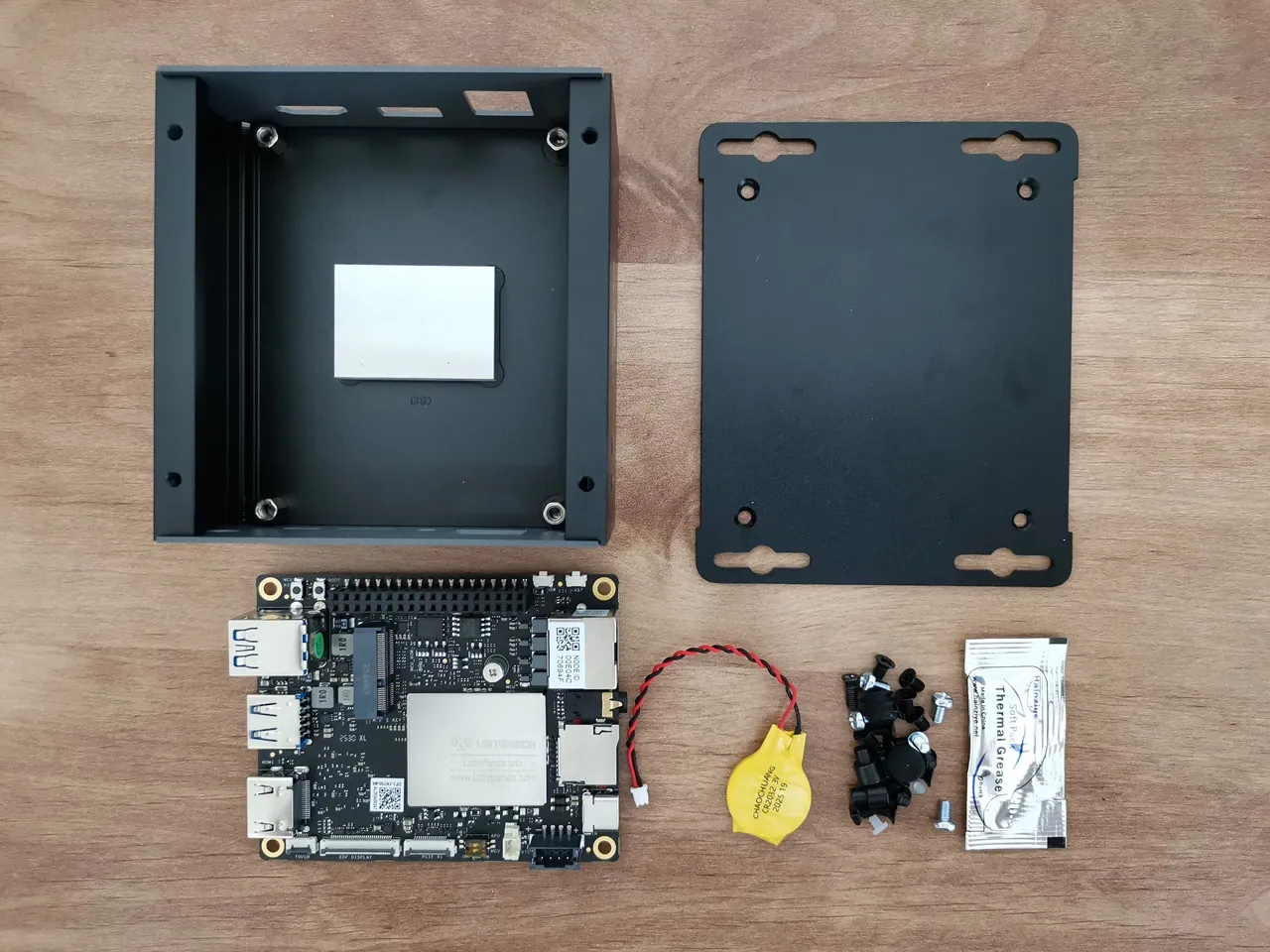
Our first impression of the case kit was that it was top-notch in quality. DFRobot packed in all the necessary screws, antenna caps, and heat-conductive thermal paste for the CPU. It’s worth mentioning that while Wi-Fi antennas aren’t included in the kit itself, they are provided with the Wi-Fi module card. Overall, we were thoroughly impressed.
Design-wise
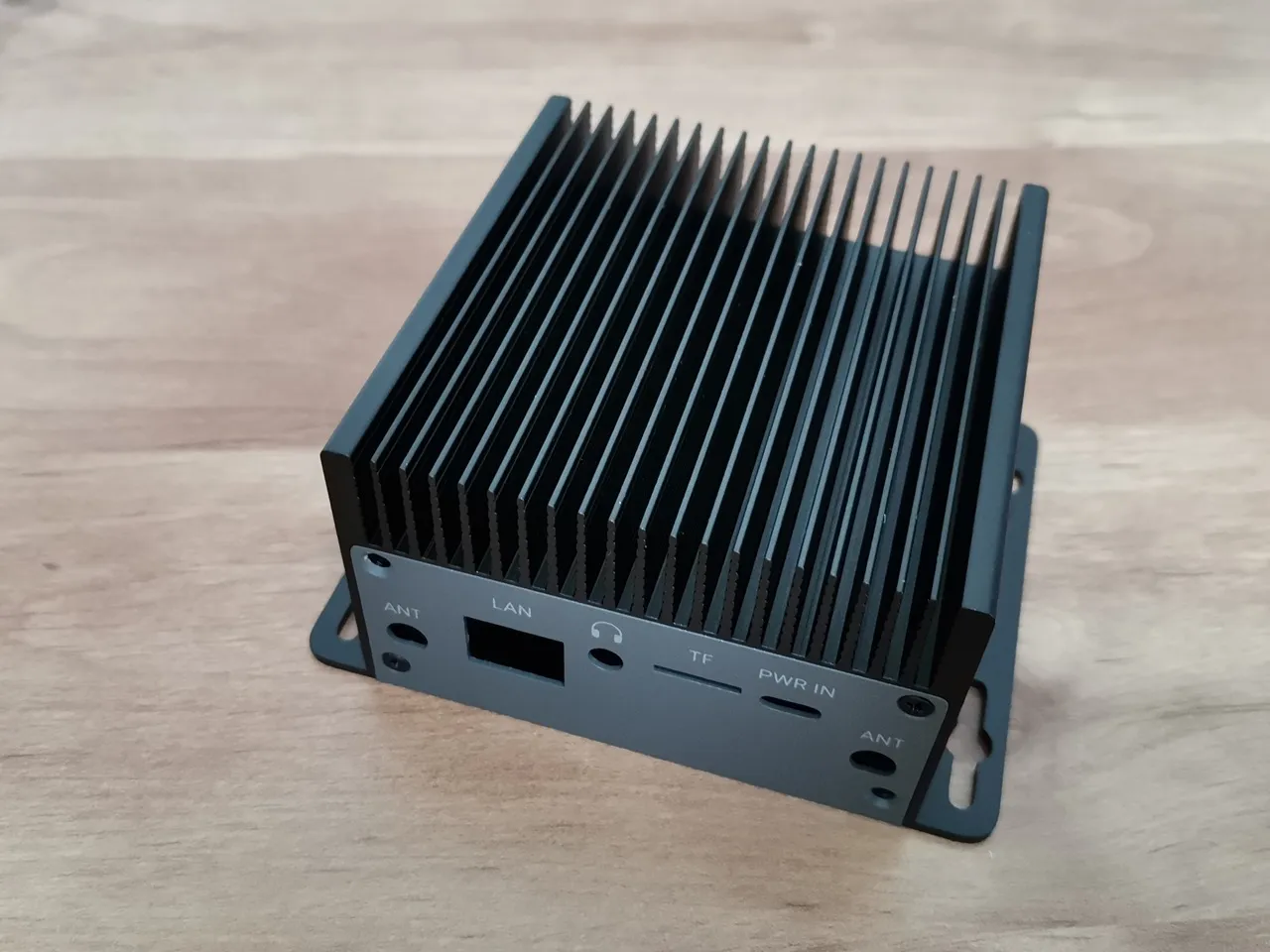
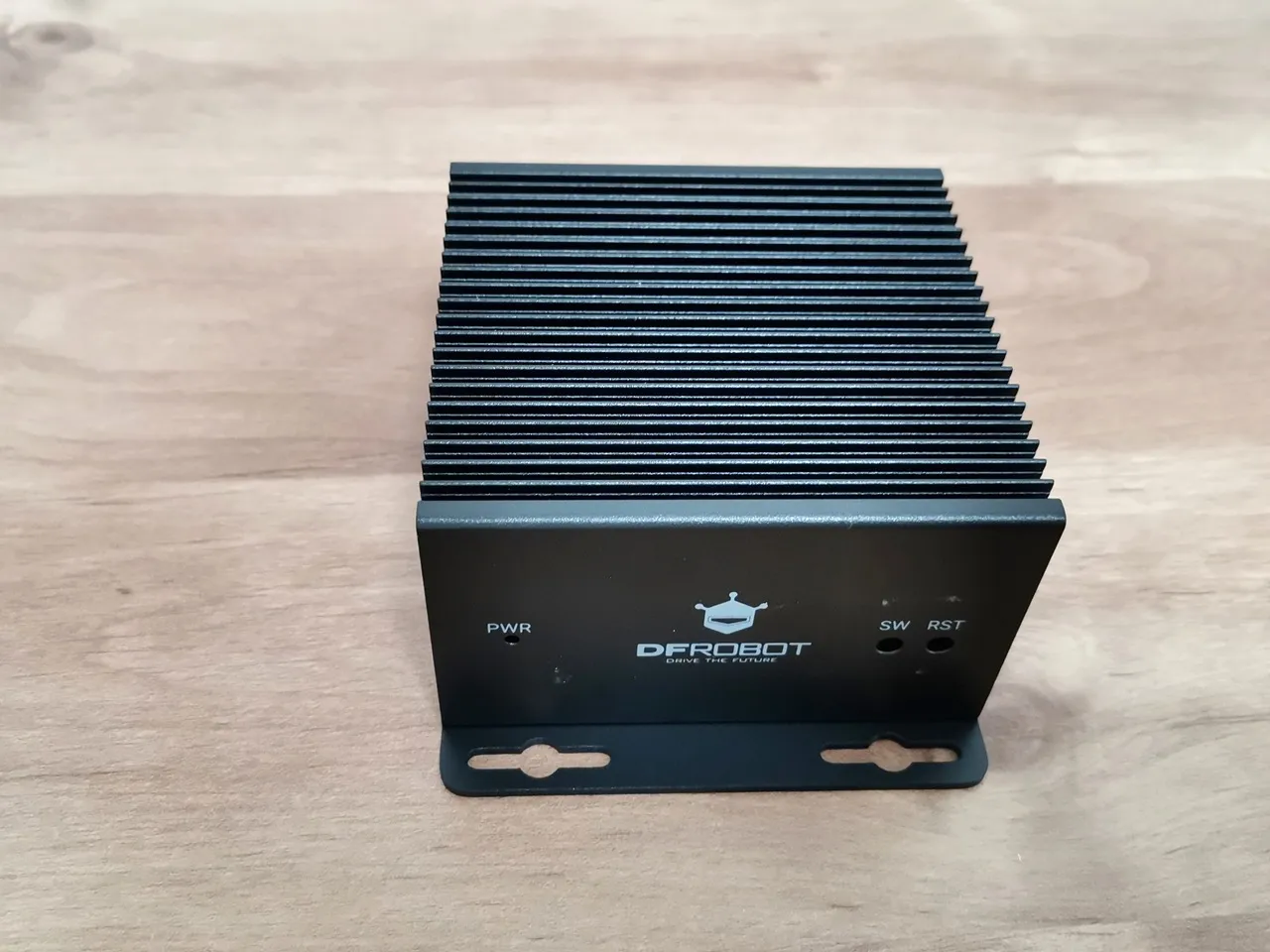
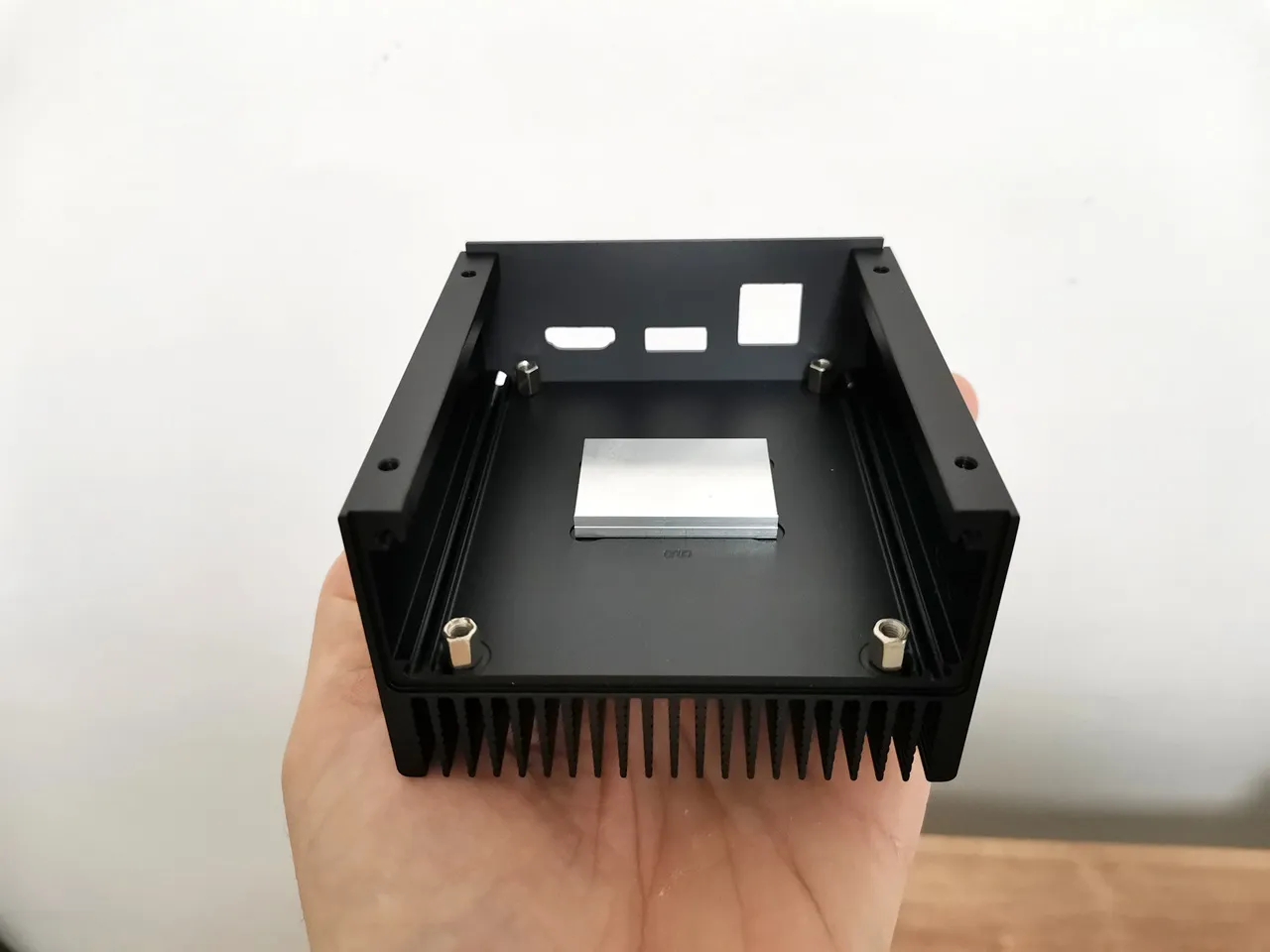
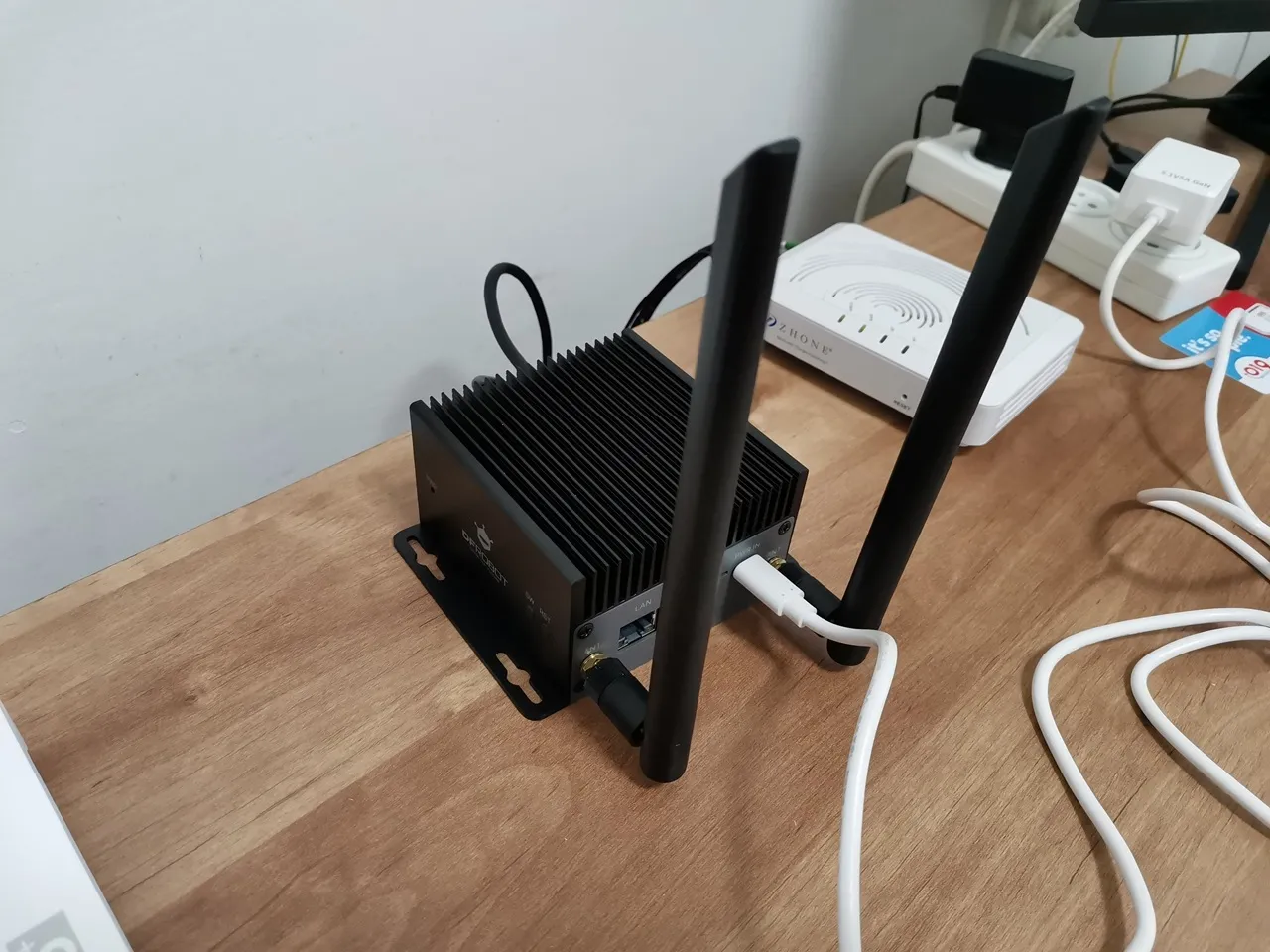
The case is basically a giant heatsink with long fins on top. Unlike DFRobot’s active cooling option for the LattePanda IOTA board, which uses both a heatsink and a fan, this one is passive, with no moving parts at all, making it completely silent. If you’re sensitive to noise, this case is a perfect choice.
Other parts of the case
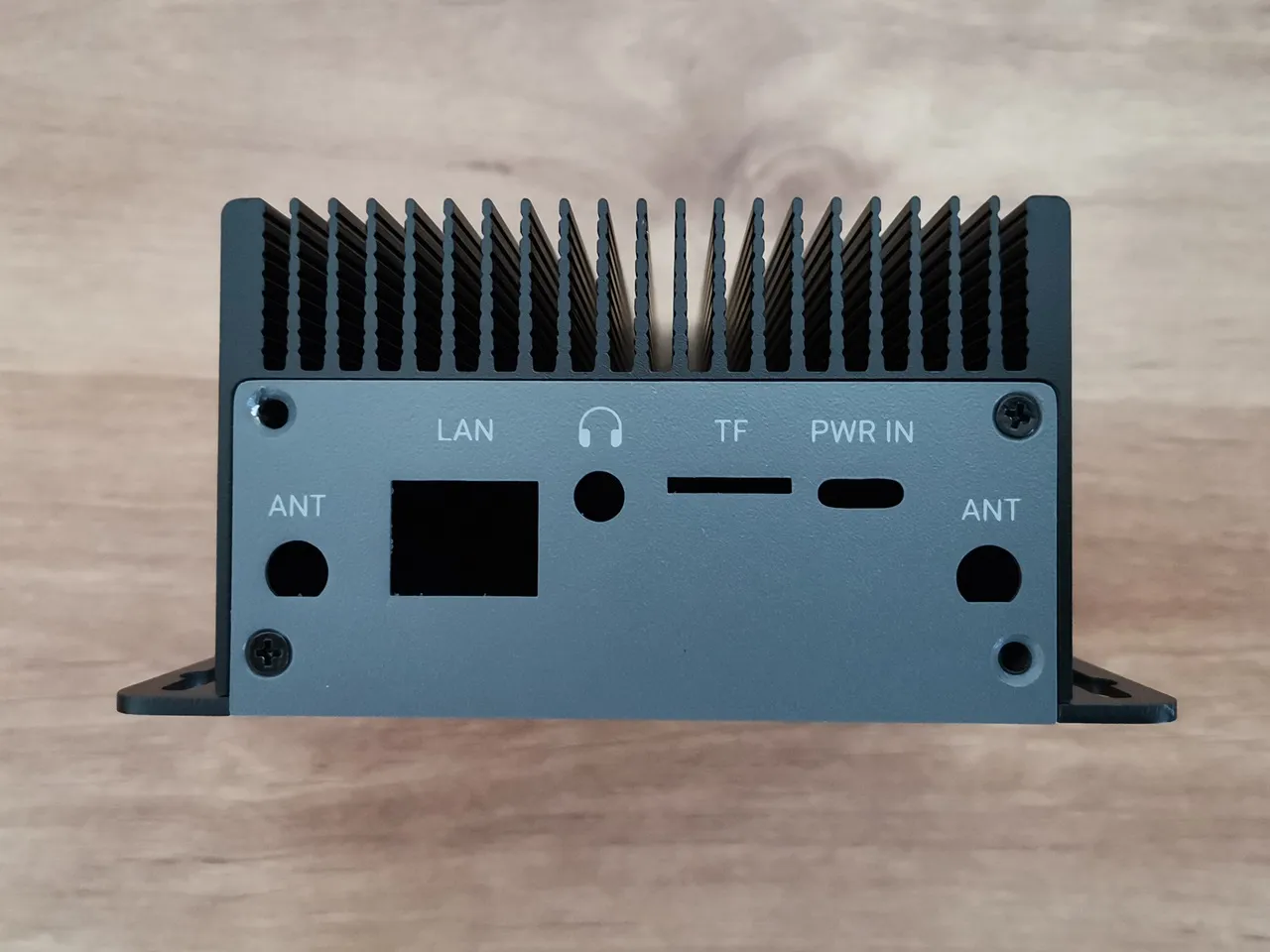
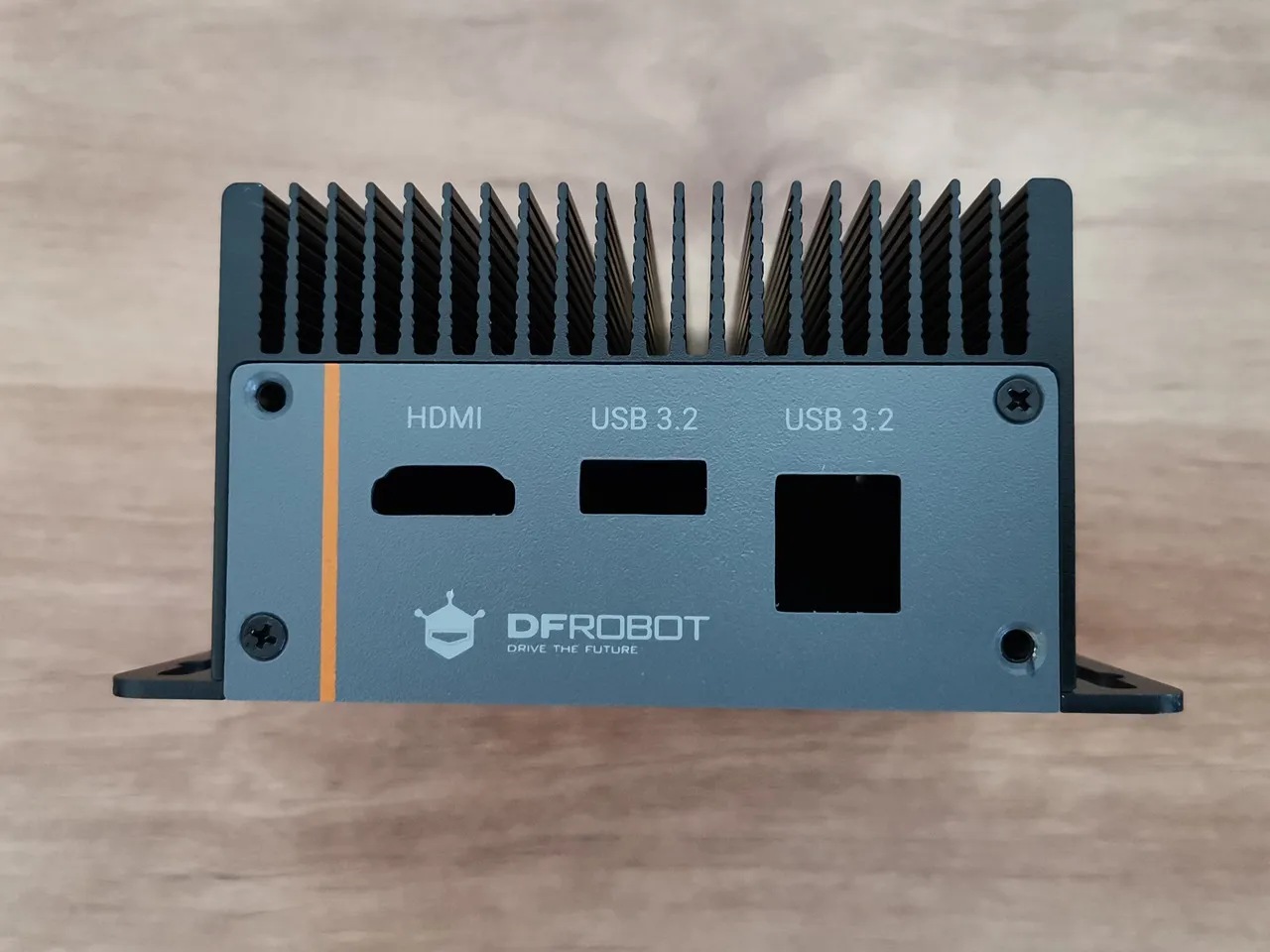
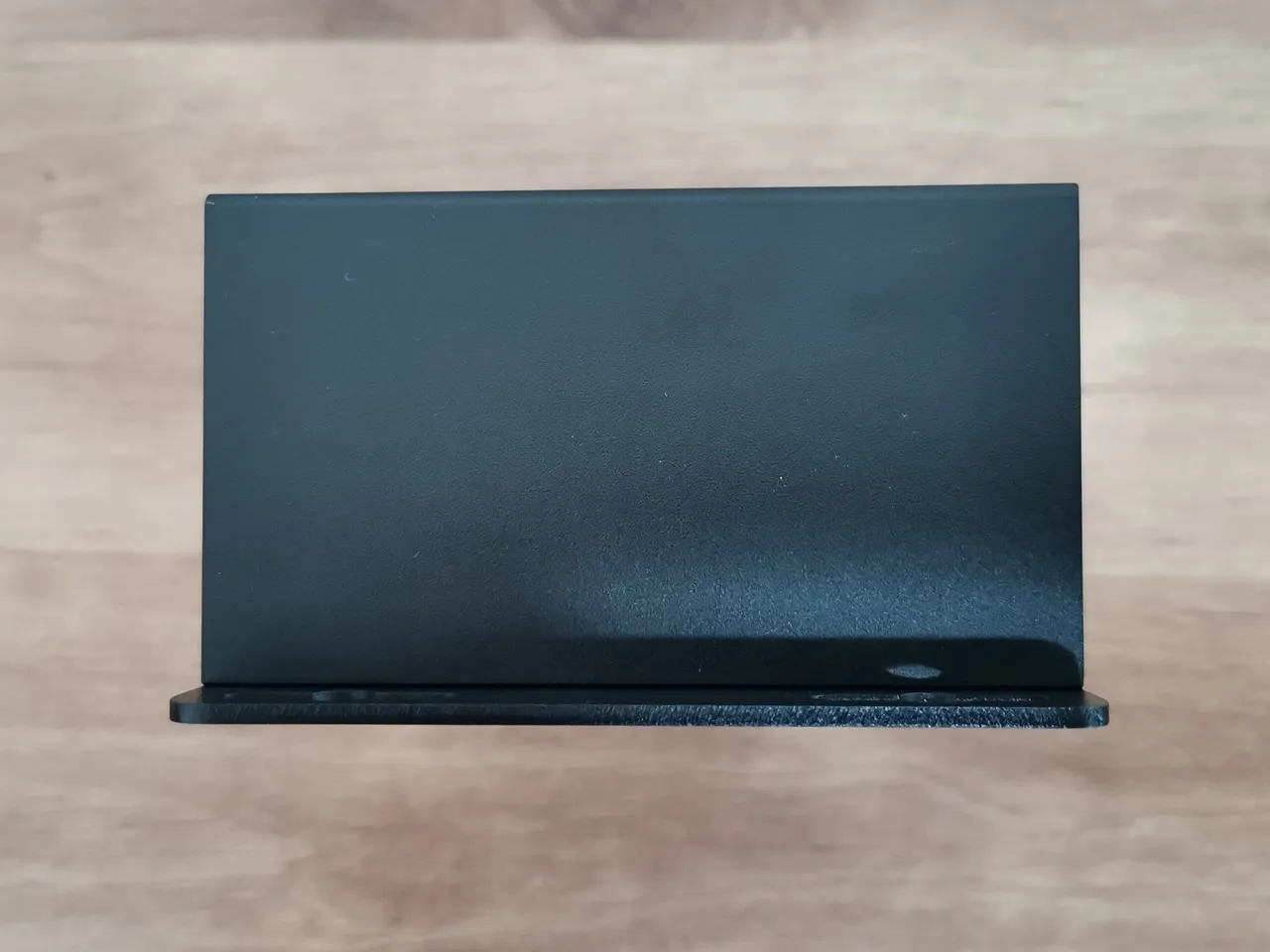
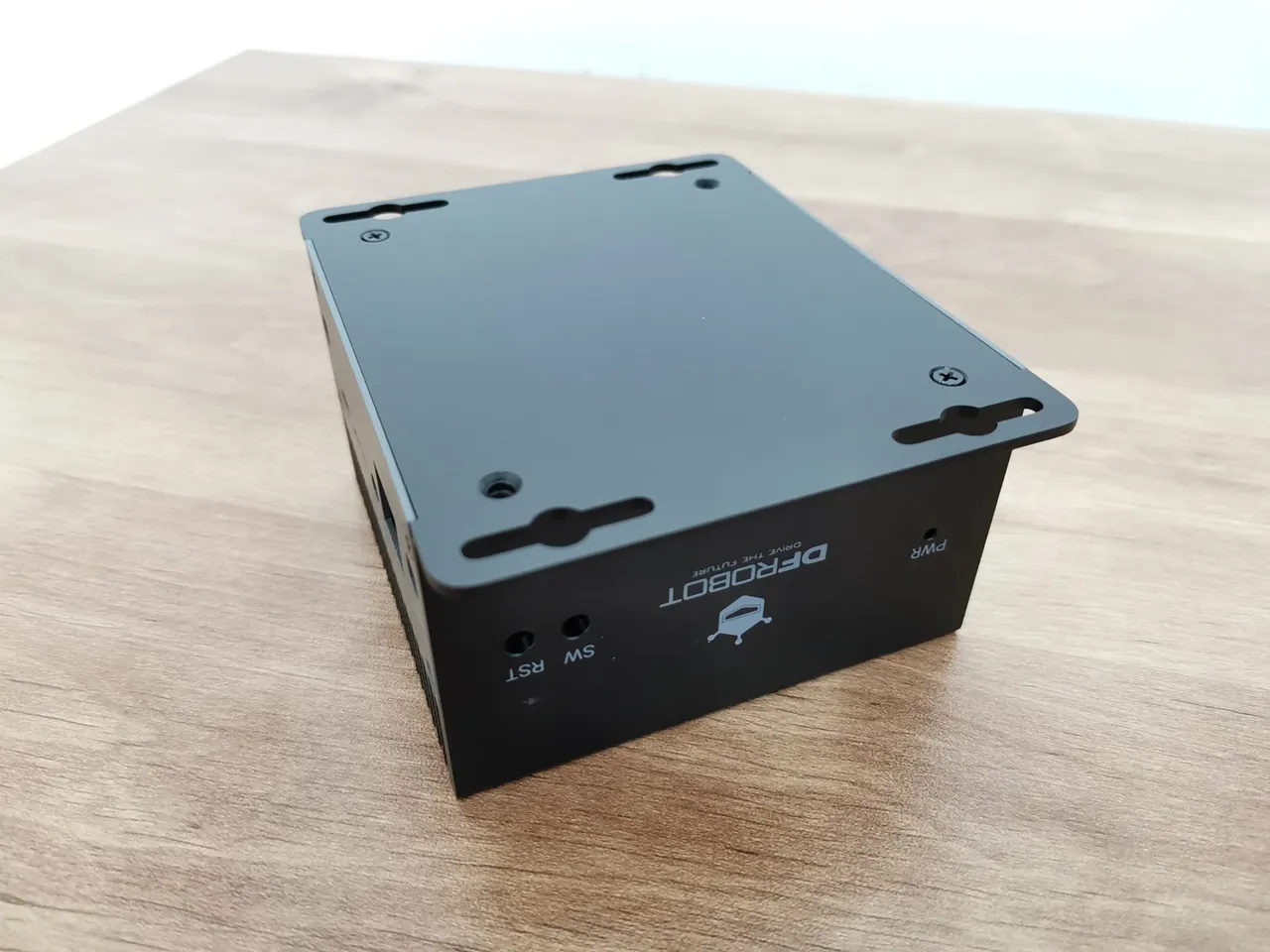
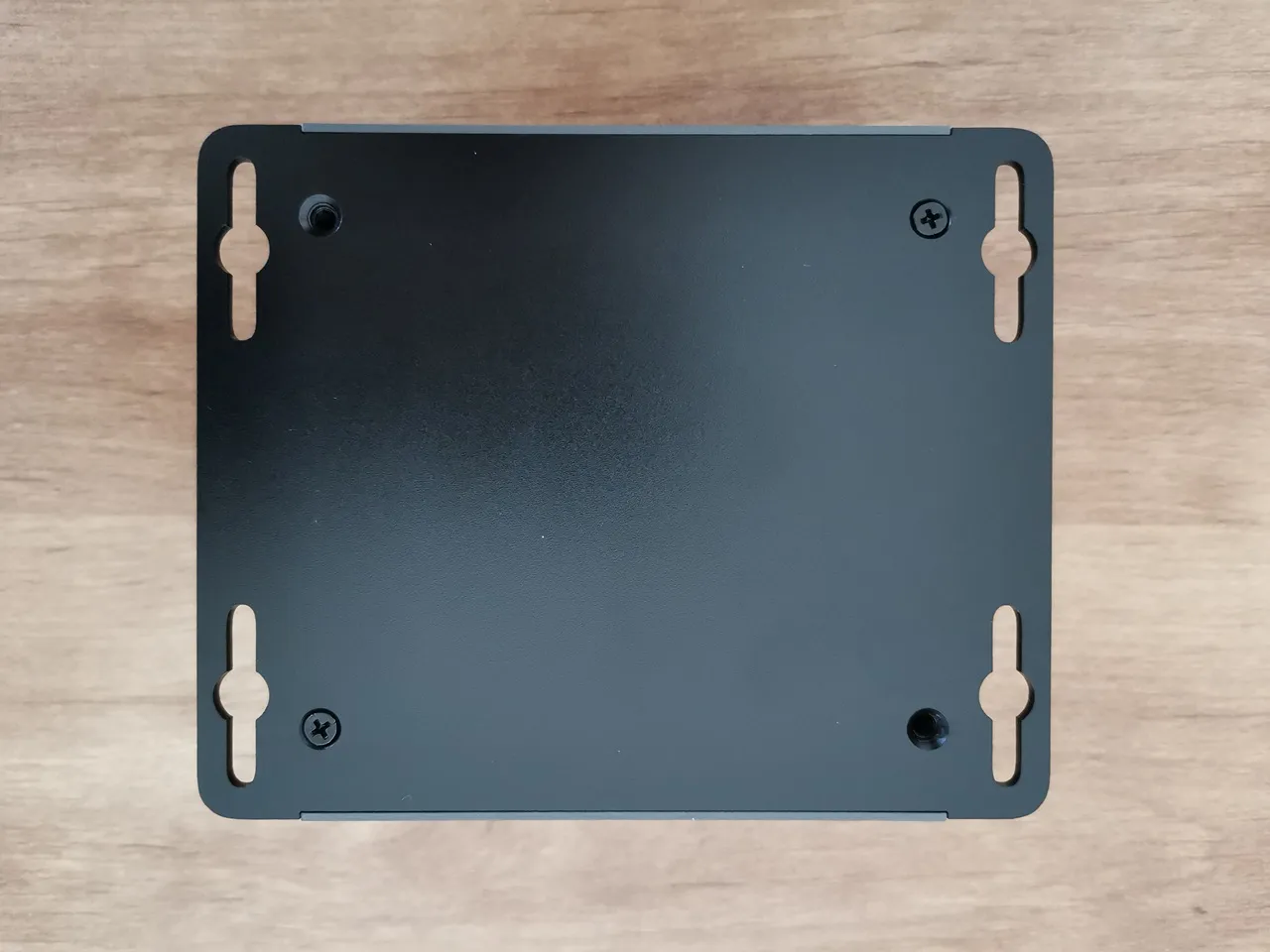
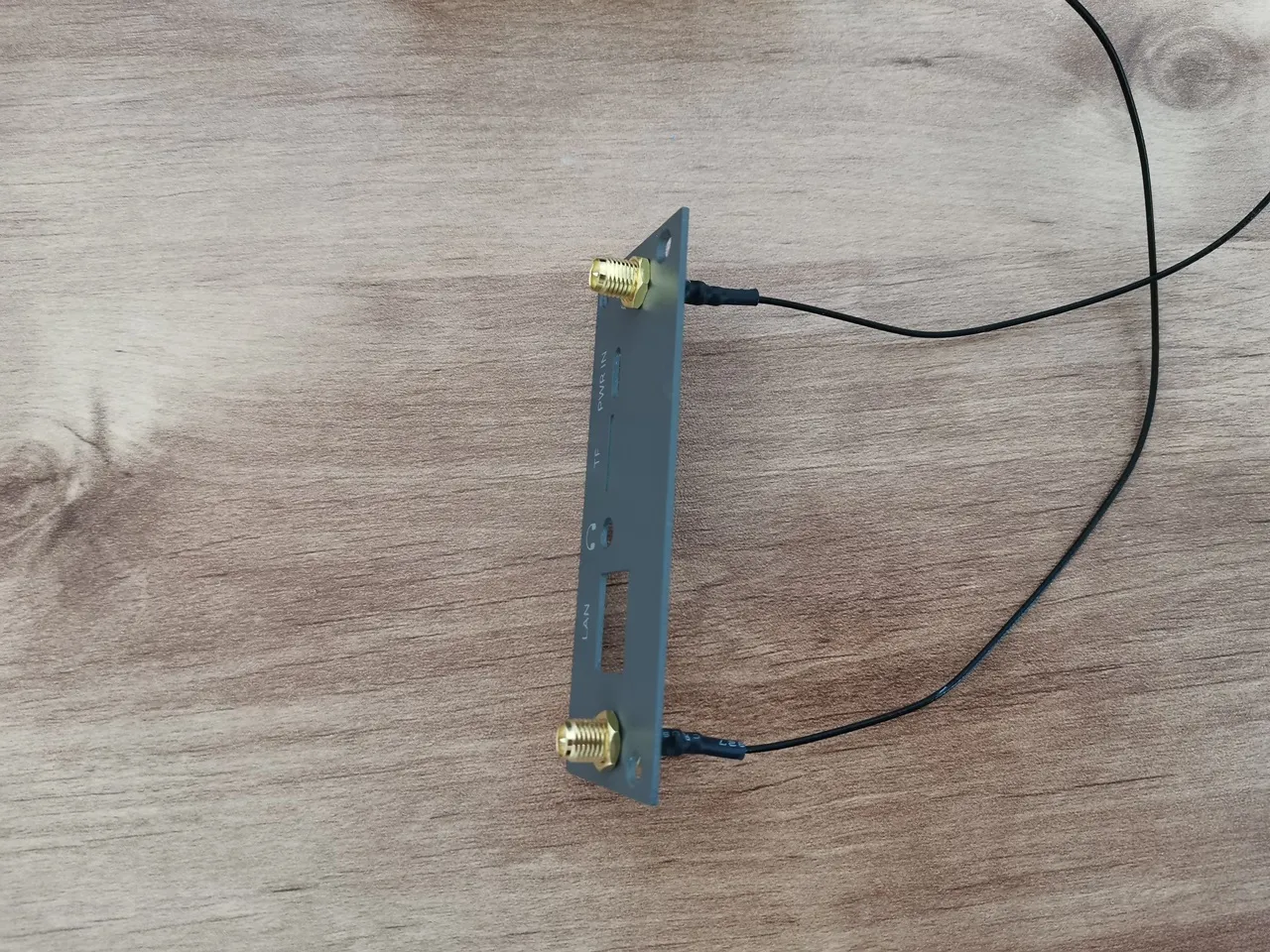
The main body, as mentioned, is built from a large heatsink. Inside the case, there are two metal plates, glued or welded together, acting as a conductive path to transfer heat from the board CPU to the main body. Additionally, there are two interface covers on each side of the case that can be unscrewed for easier access to the board inside, along with a button cover featuring a flange design that can be mounted or hung with screws, making it perfect for use in industrial or home environments.
LattePanda IOTA aluminum metal case (pre-installed).
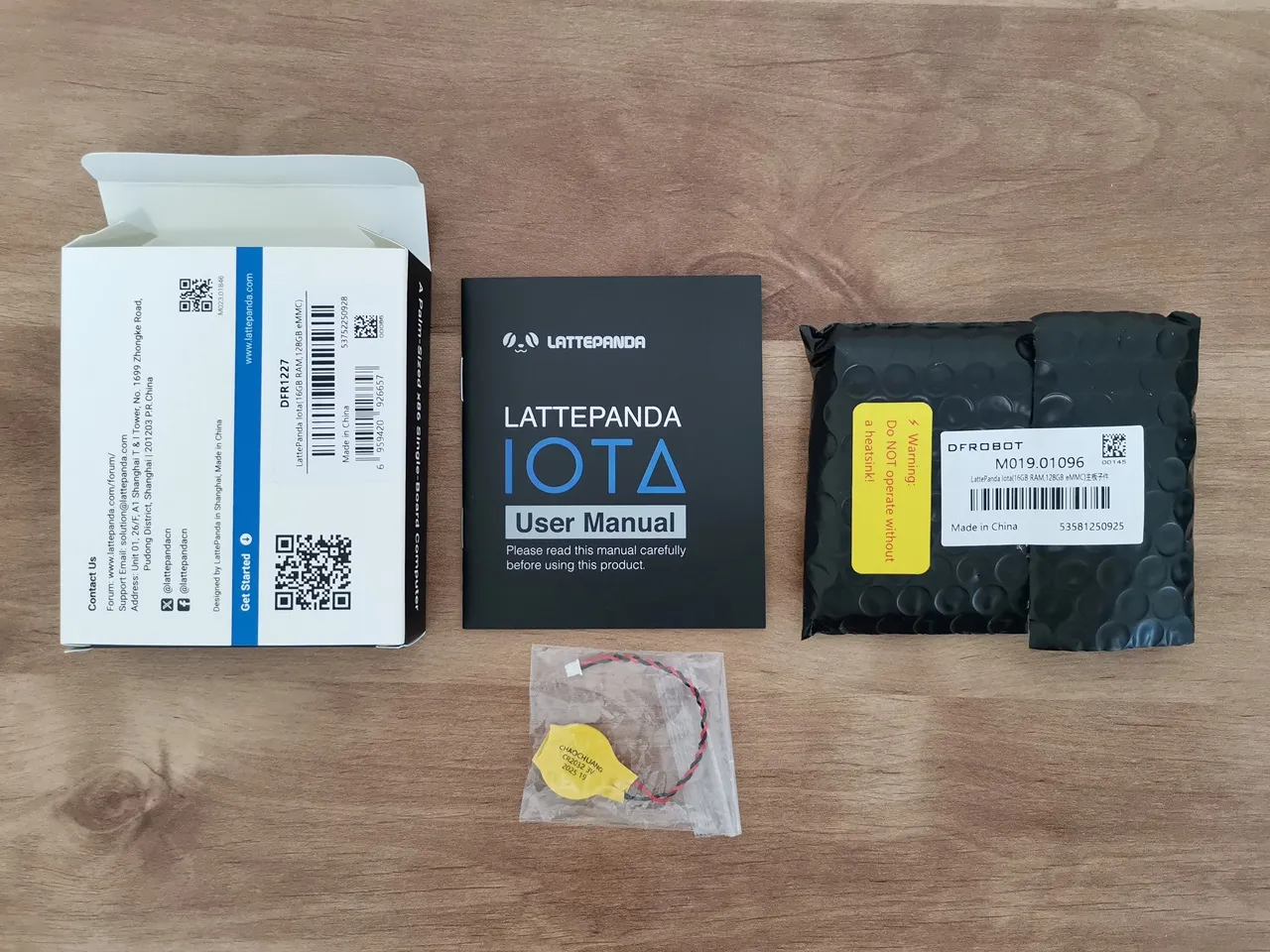
Assembling the LattePanda IOTA (16GB RAM / 128GB eMMC)
The DFrobot team generously sent us the 16GB RAM edition of the board. In our experience, it ran much smoother, completely silent, and possibly cooler than when using their active heatsink solution. It’s worth noting that the LattePanda IOTA board comes with a battery included, and we suggest mounting it on the side of the case so it’s easy to access and replaced if it ever needs replacing in the future.
LattePanda IOTA (16GB RAM / 128GB eMMC)
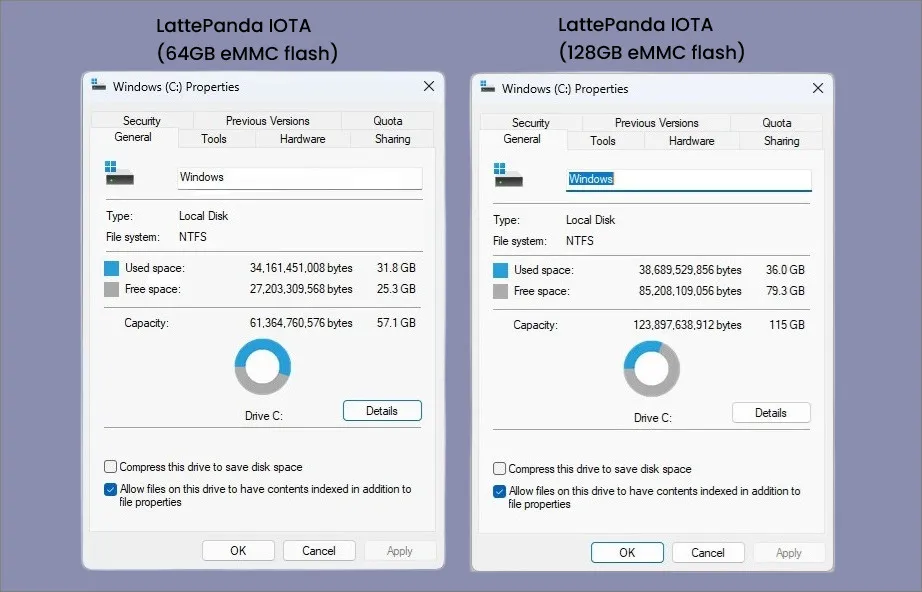
Additional eMMC storage space
Both the 16GB RAM and 8GB models support extra storage expansion via a microSD card and an NVMe SSD using an M.2 NVMe expansion board, but the 16GB RAM version offers more free space—about 79GB, not counting Windows OS system files.
The lesser good
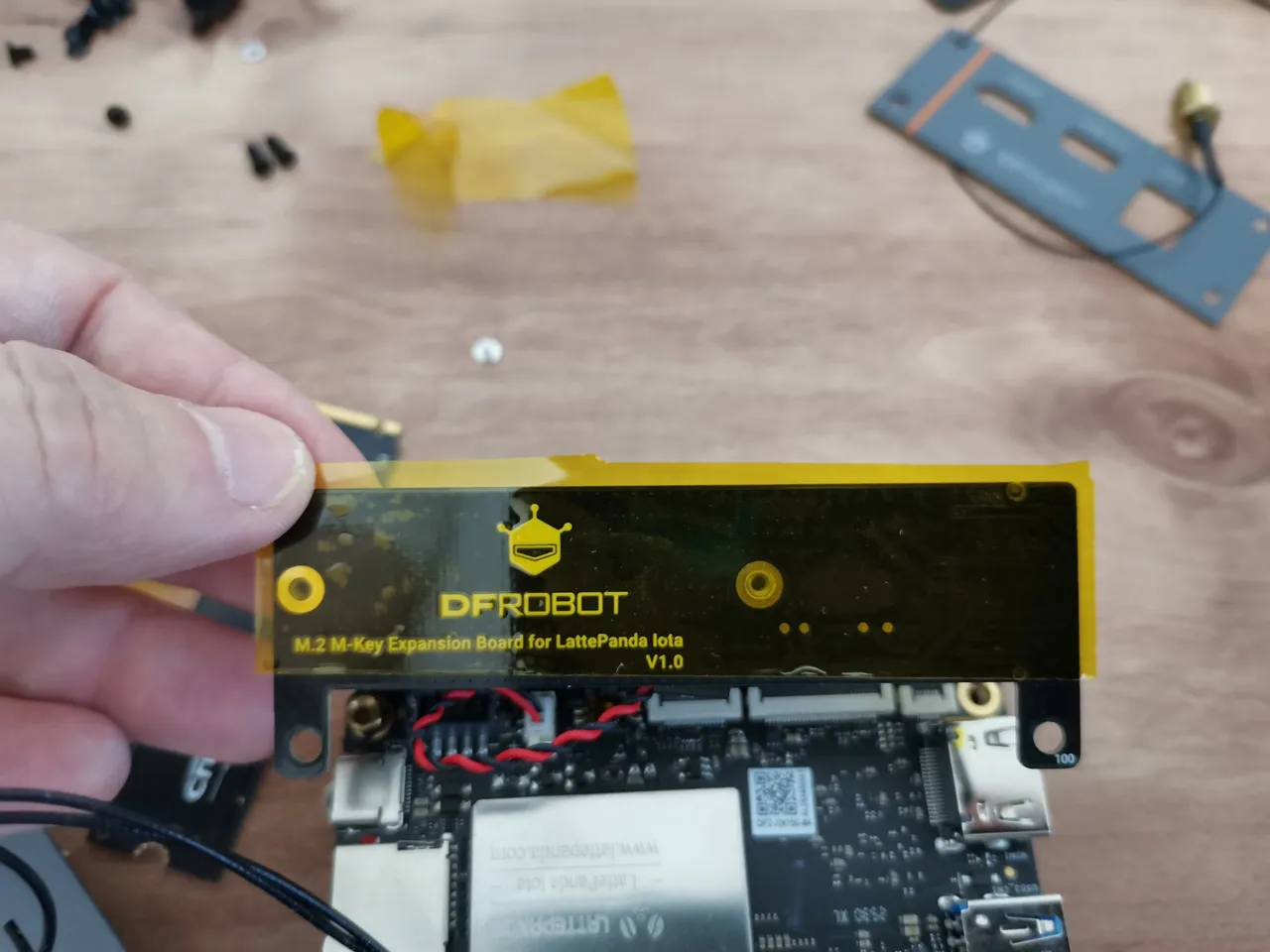
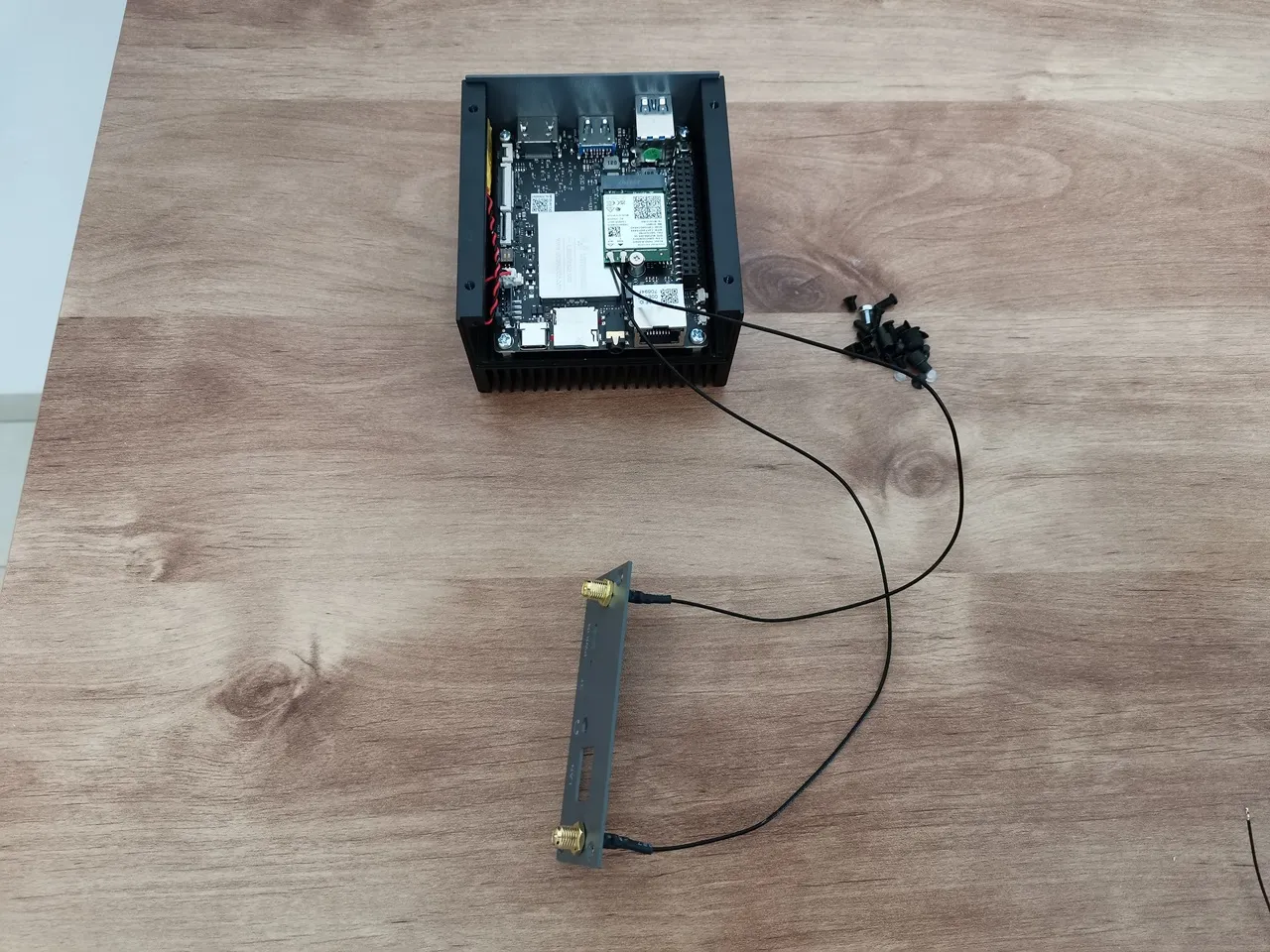
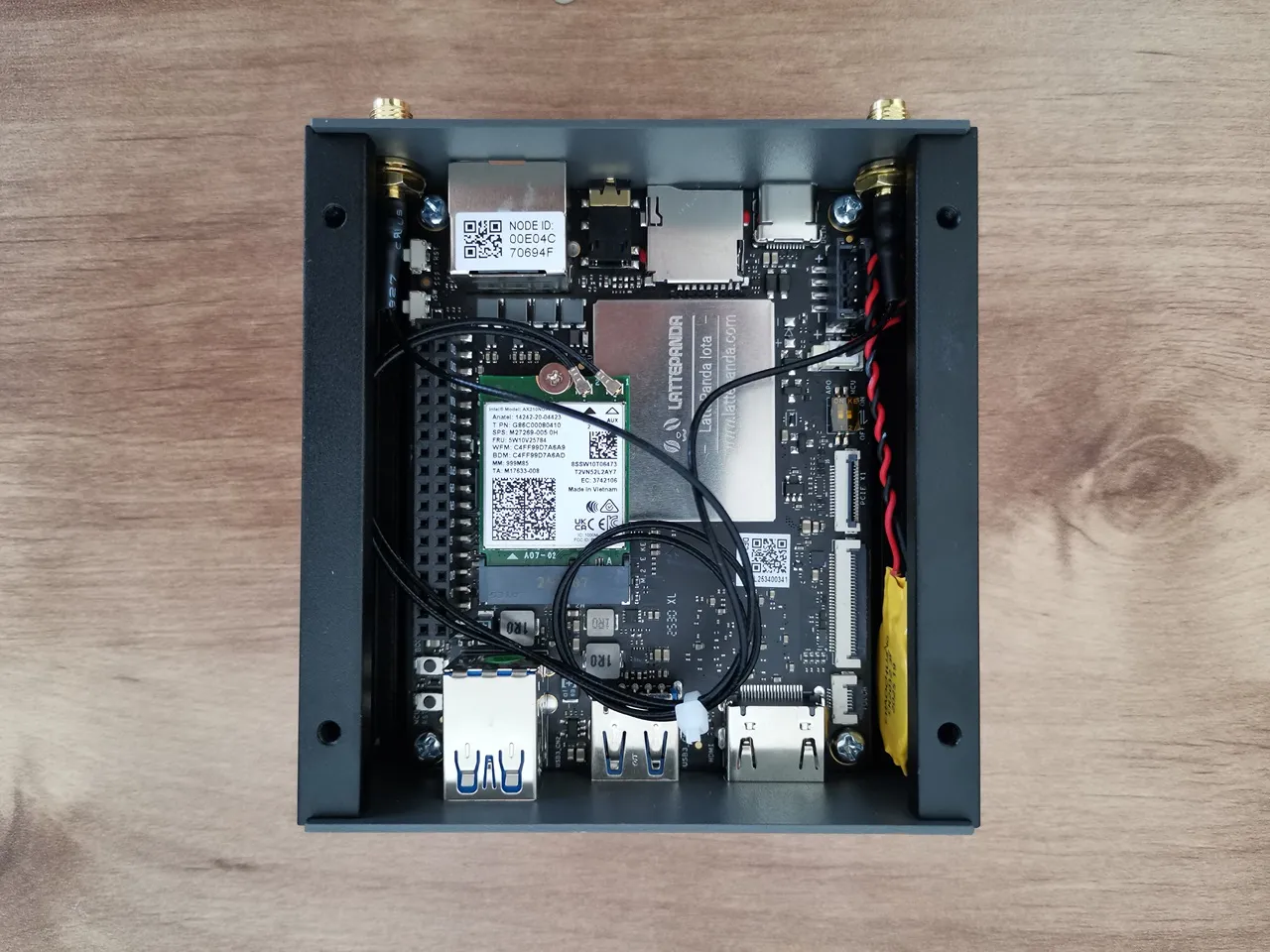
Although this design is nearly perfect, we’ve run into a few issues that need attention. For instance, when assembling the NVMe expansion card, we found the space to be quite tight. We also had to use short hex-type studs and applied thermal insulation tape beneath the board to ensure its fully isolated from the HDMI port, eliminating any risk of a short circuit. Additionally, we used flat-headed screws so the Wi-Fi antenna nut would interfere less with the screw.
Accessibility of interfaces
Unfortunately, due to space constraints, this case can’t accommodate the PoE and the PSU expansion board, which is really cool and can offer about 4 hours of battery backup. On top of that, the GPIO isn’t accessible from the outside. It would’ve been nice if the DFRobot team had added a rectangular cutout in the case for cable routing, making it easier to connect the PSU board externally.
Putting all the components together
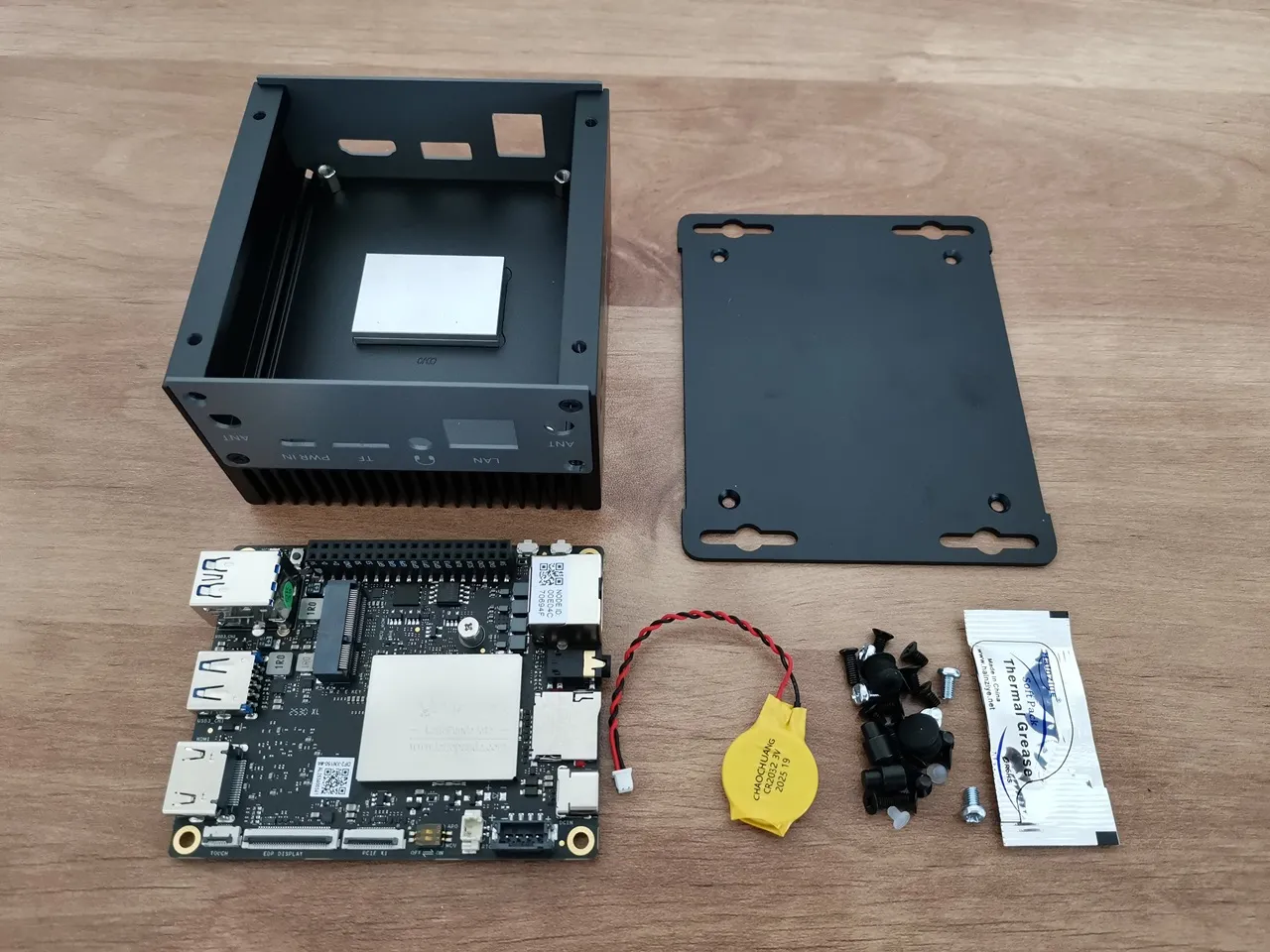
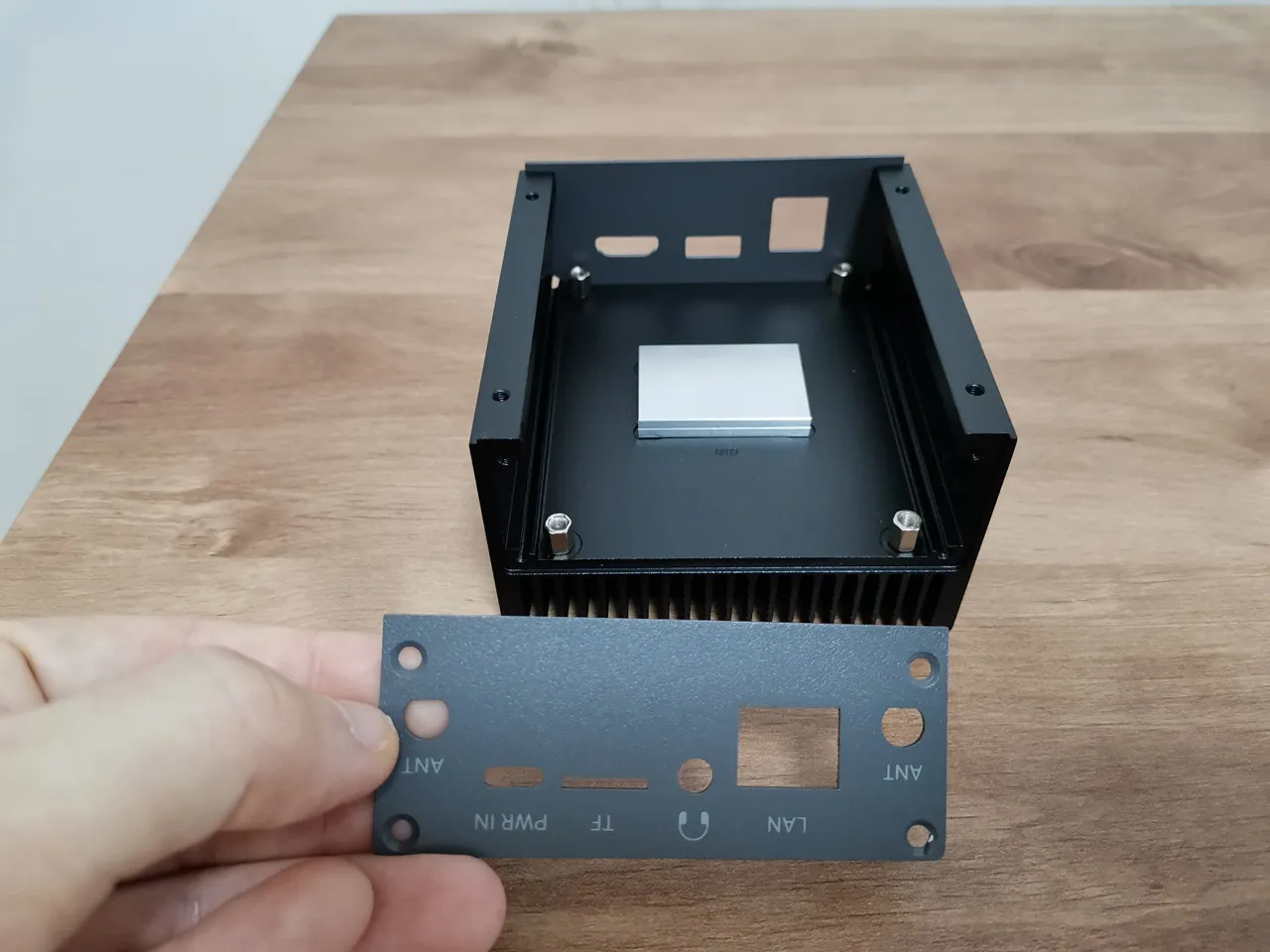
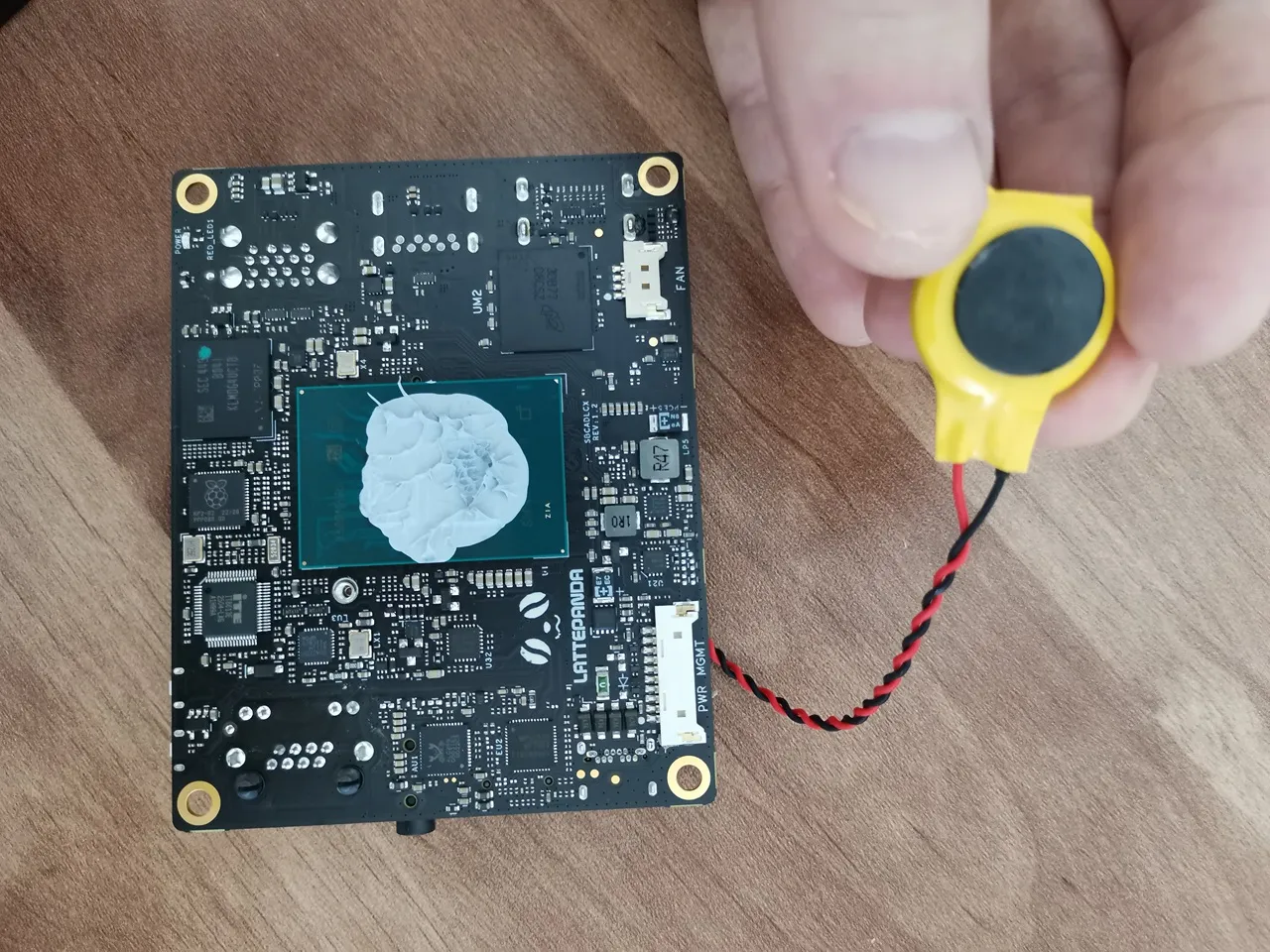
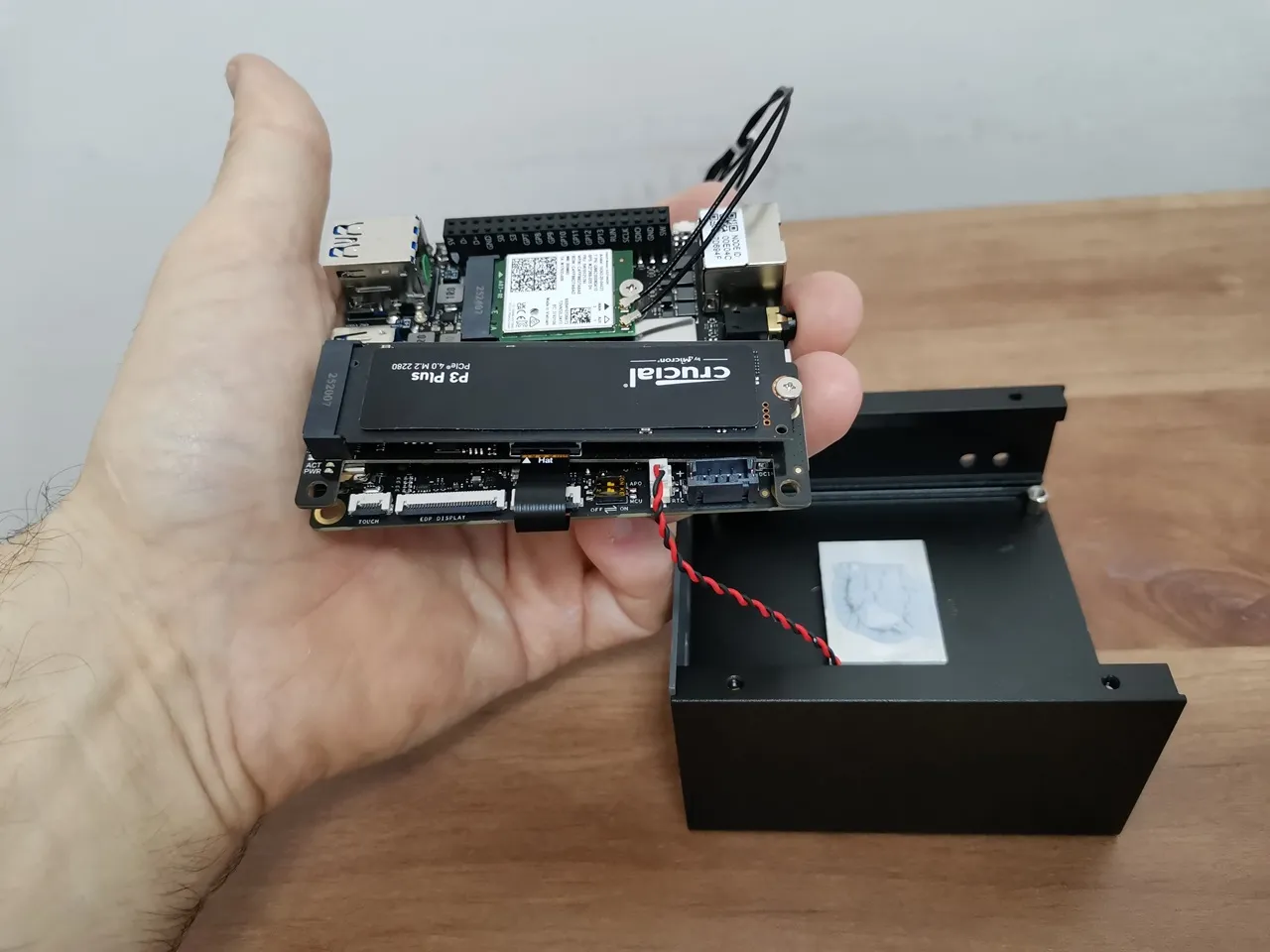
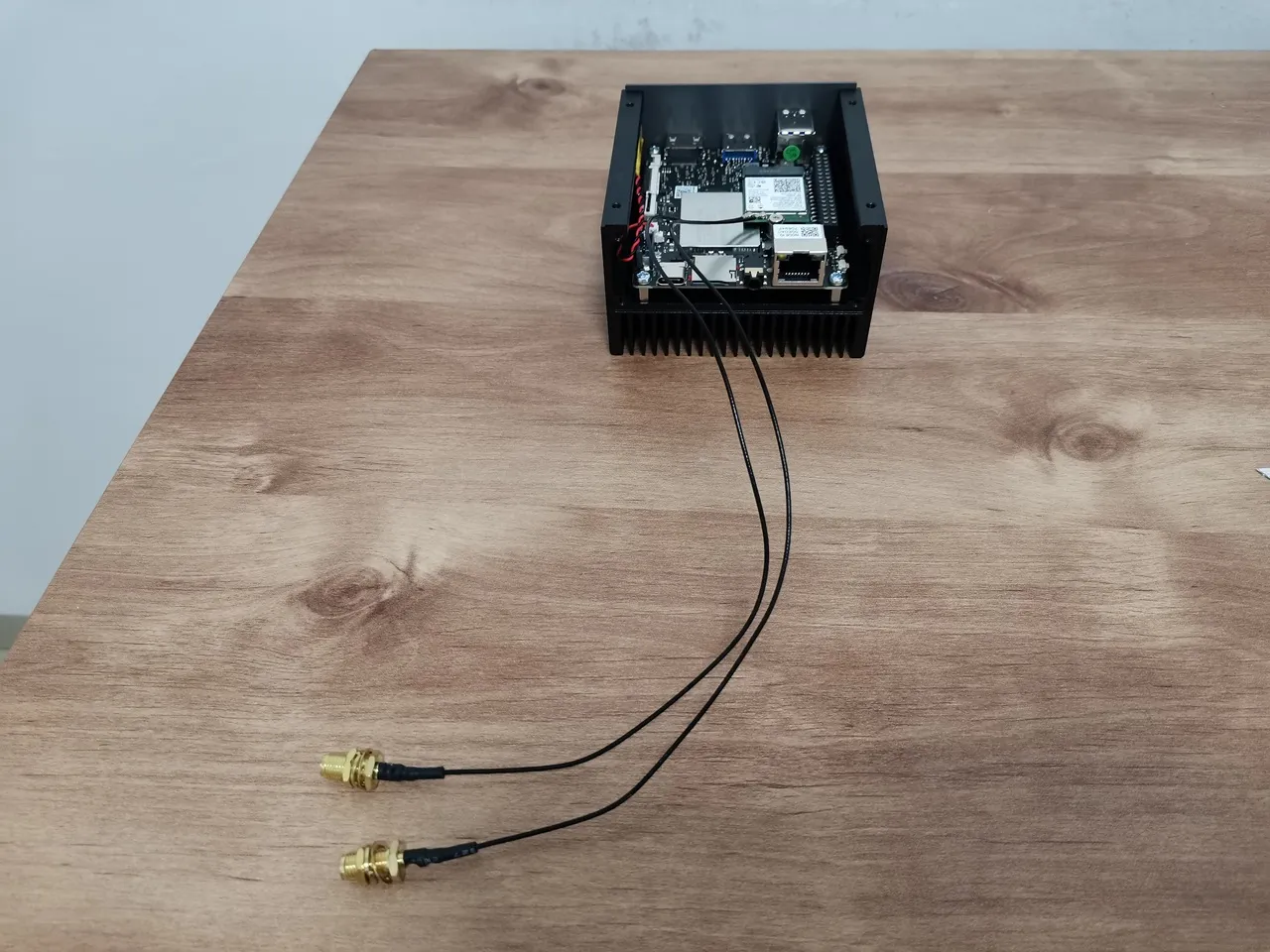
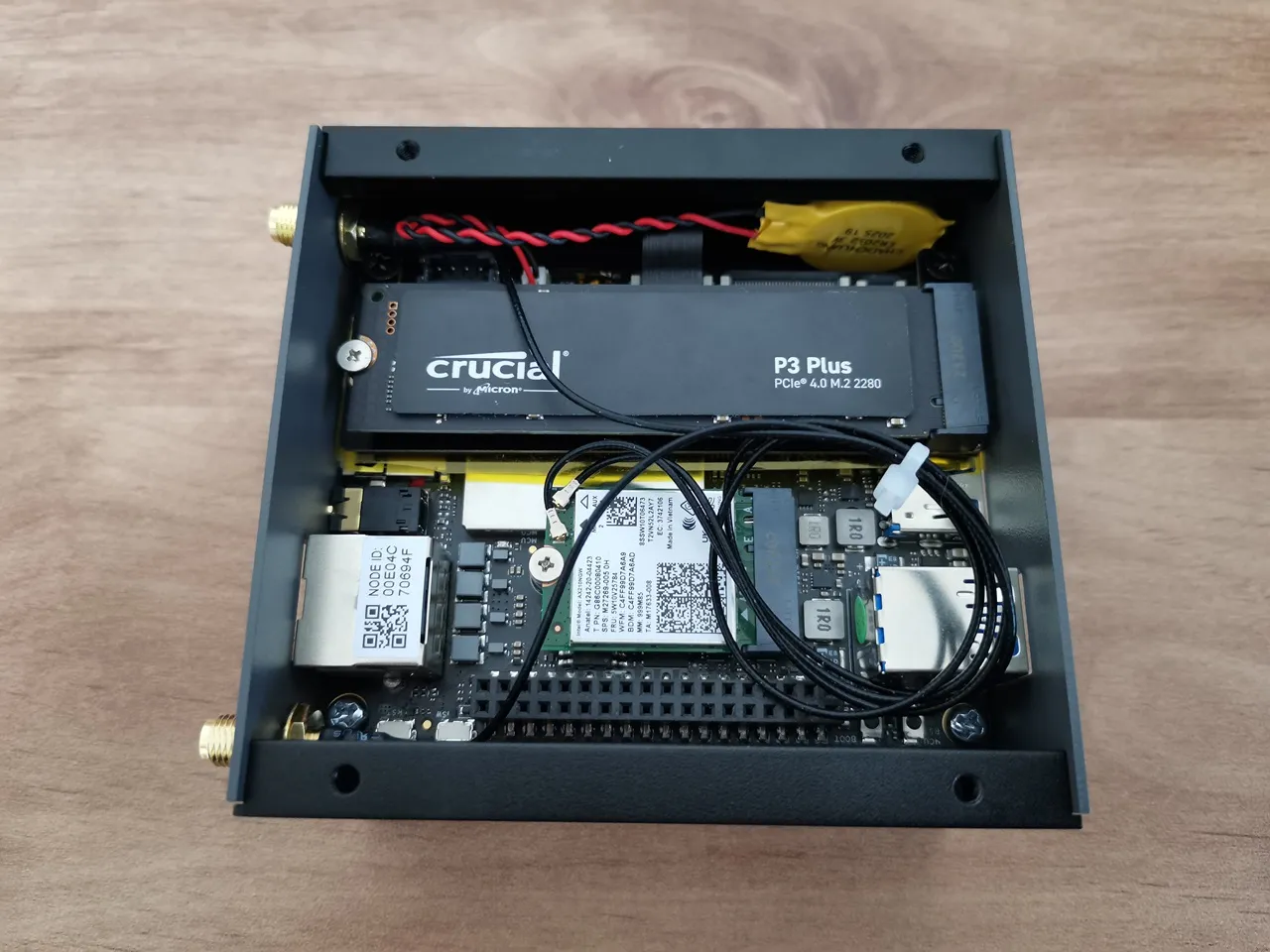
The final result
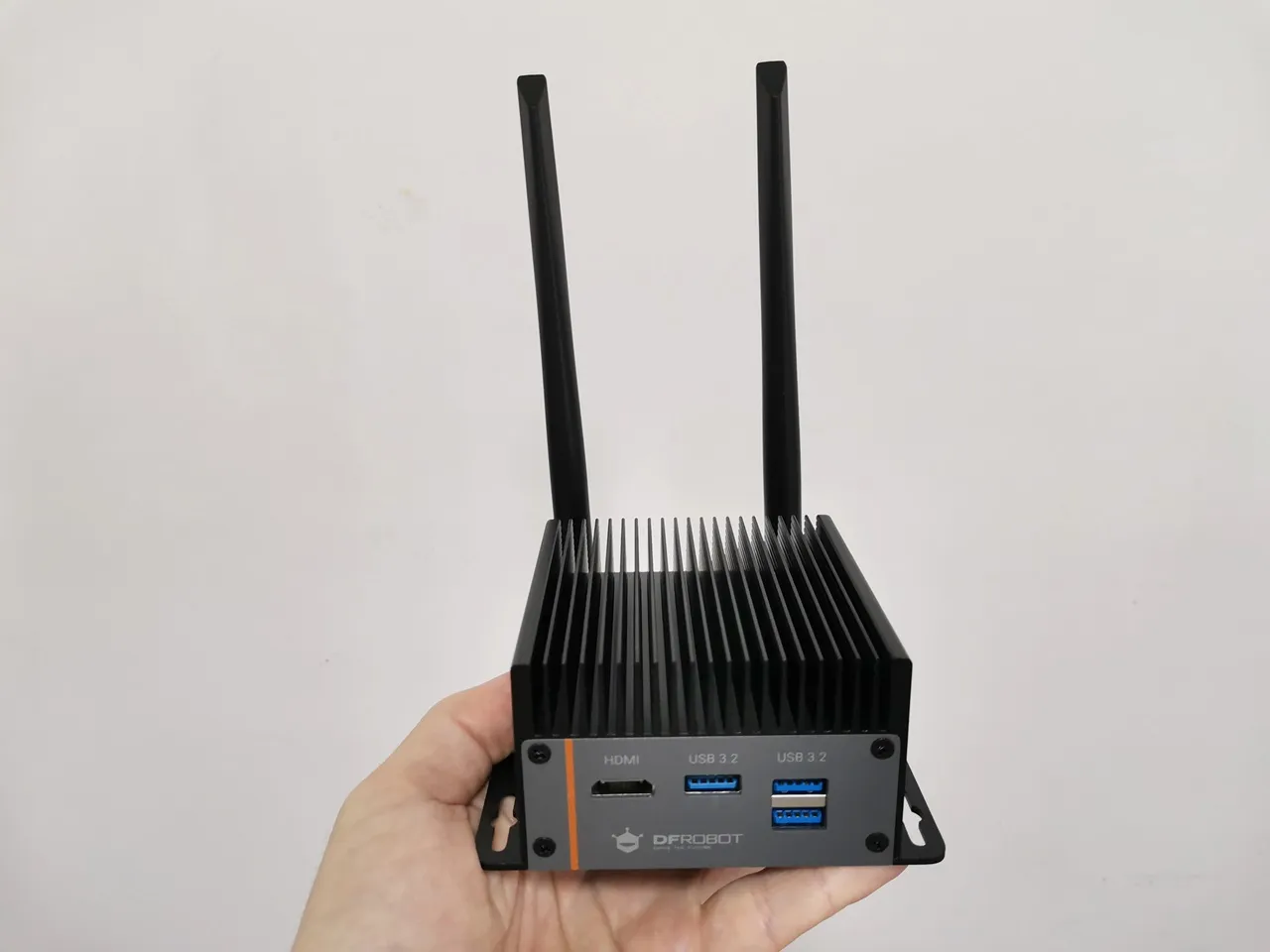
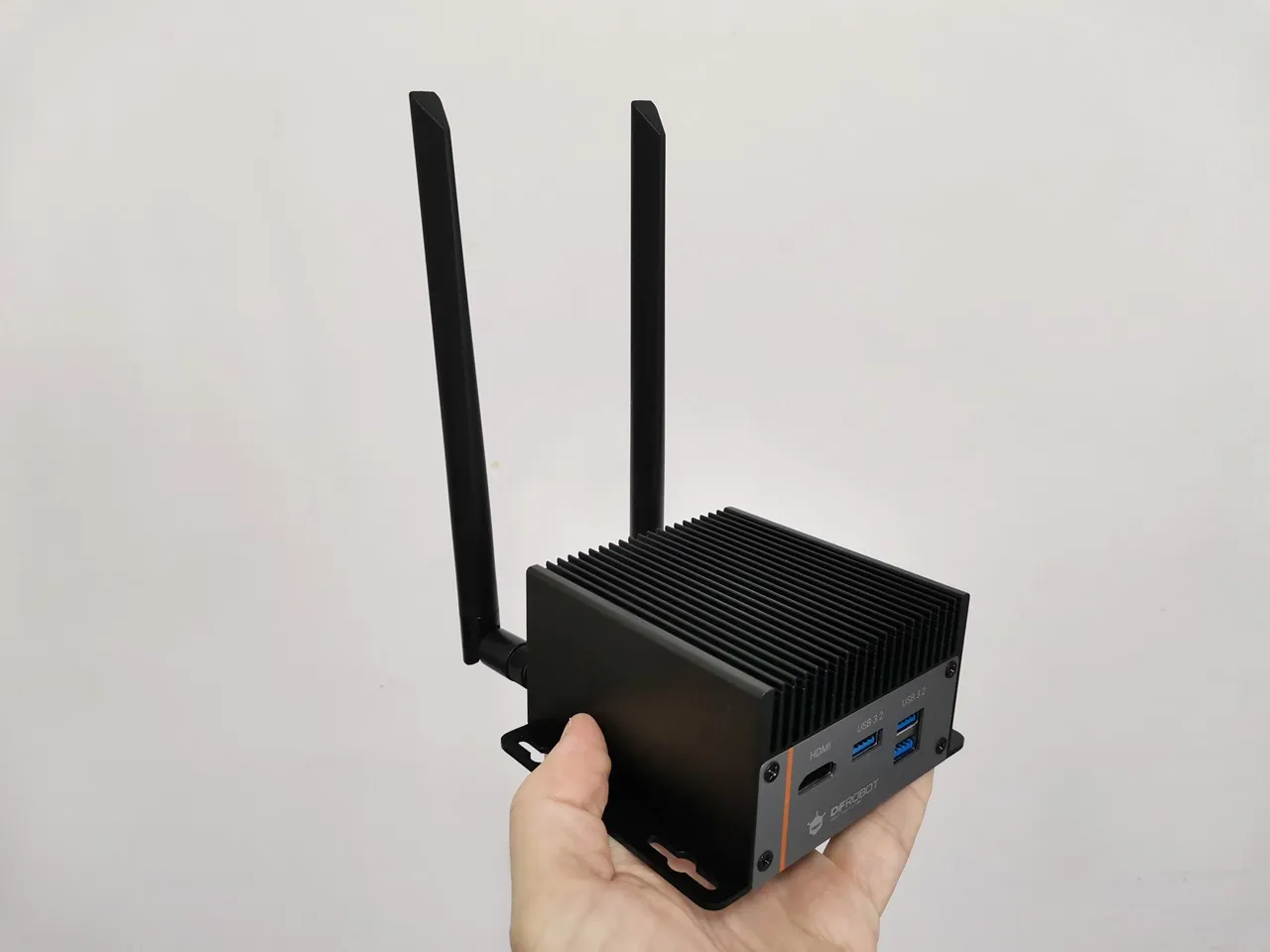
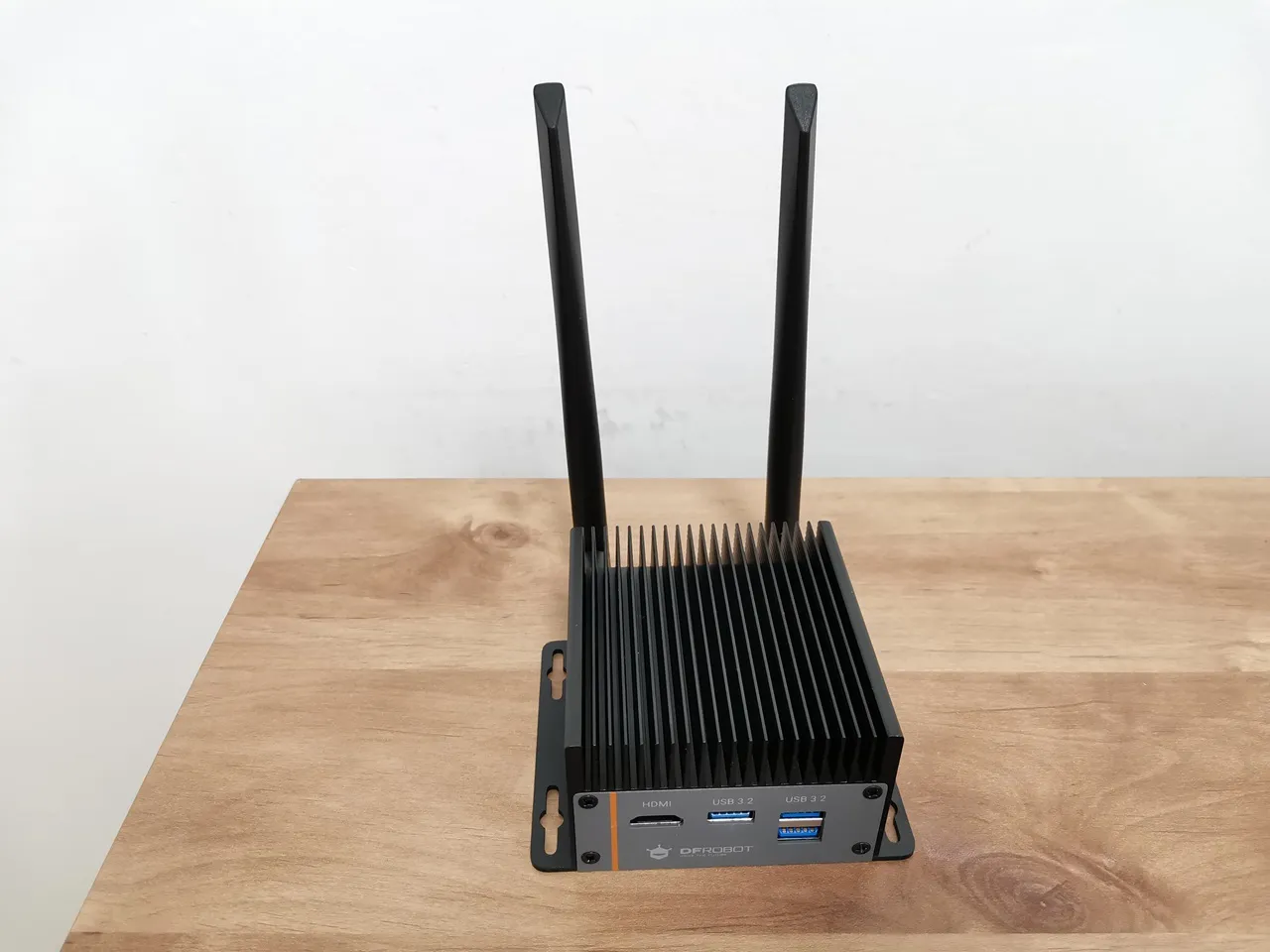
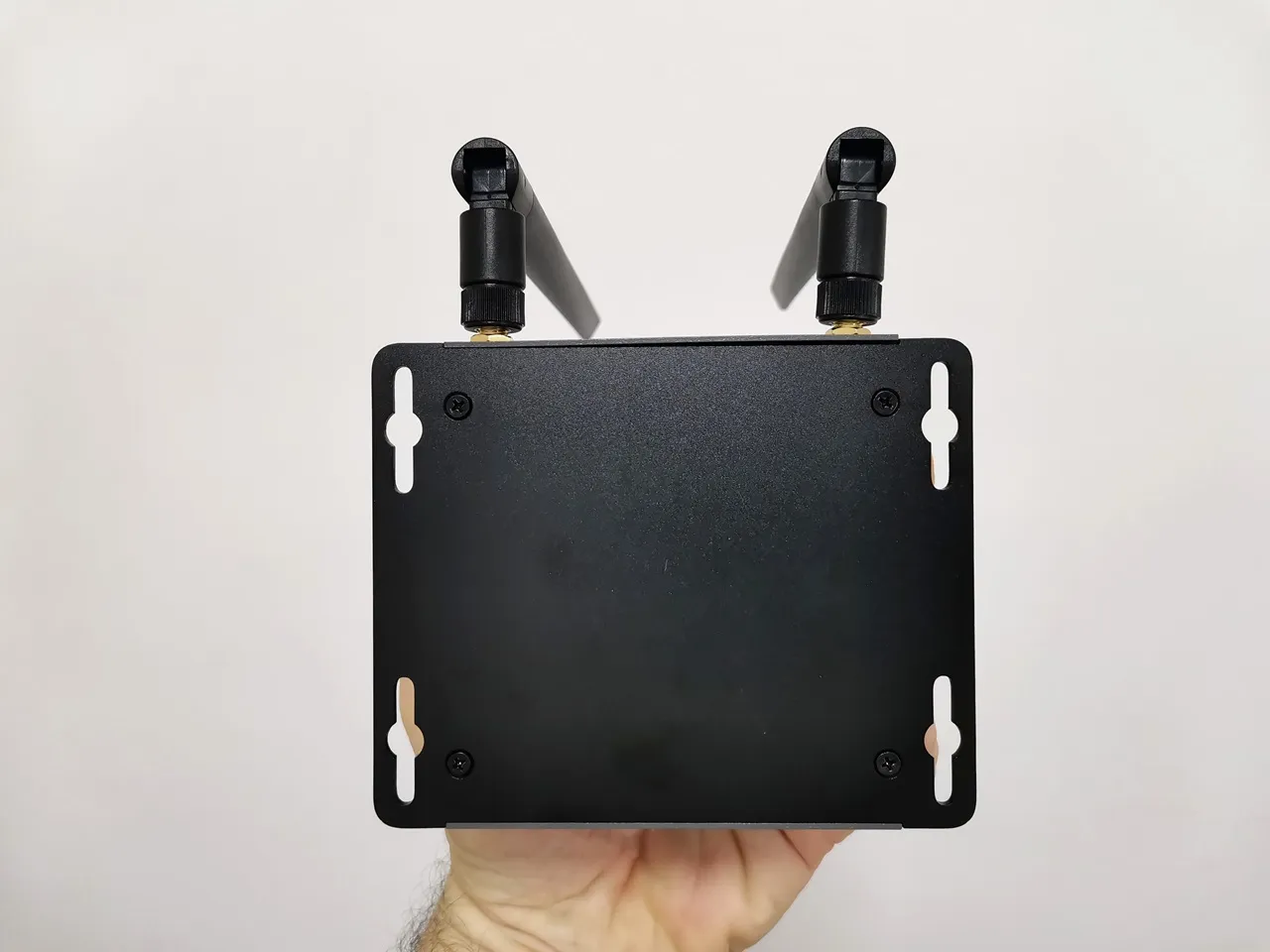
How does it perform?
Overall, pretty great. The case offers a quiet zero noise experience with solid build quality and high durability. Depending on system resource usage, users can expect temperatures to start around 40°C and go higher. If we were to choose and recommend a better cooling solution for the Iota board, which tends to heat up due to its size, instead of the active option with a spinning fan, this would be our choice.
Checking temperature
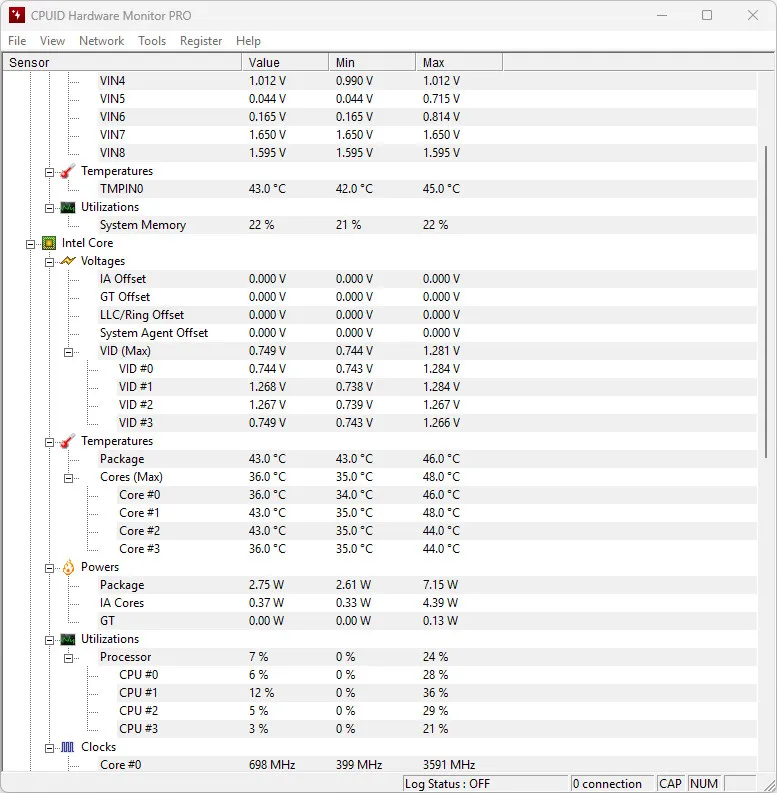
Stress stability test
We ran a stability test to evaluate the cooling efficiency of the metal case, and the long metal fins did a great job keeping the CPU cool.In our test, the case fins warmed up well, indicating efficient heat transfer, and the infrared thermometer showed a fin temperature of around 54°C after 17 minutes of full load on the IOTA board.
AIDA64 System stability test
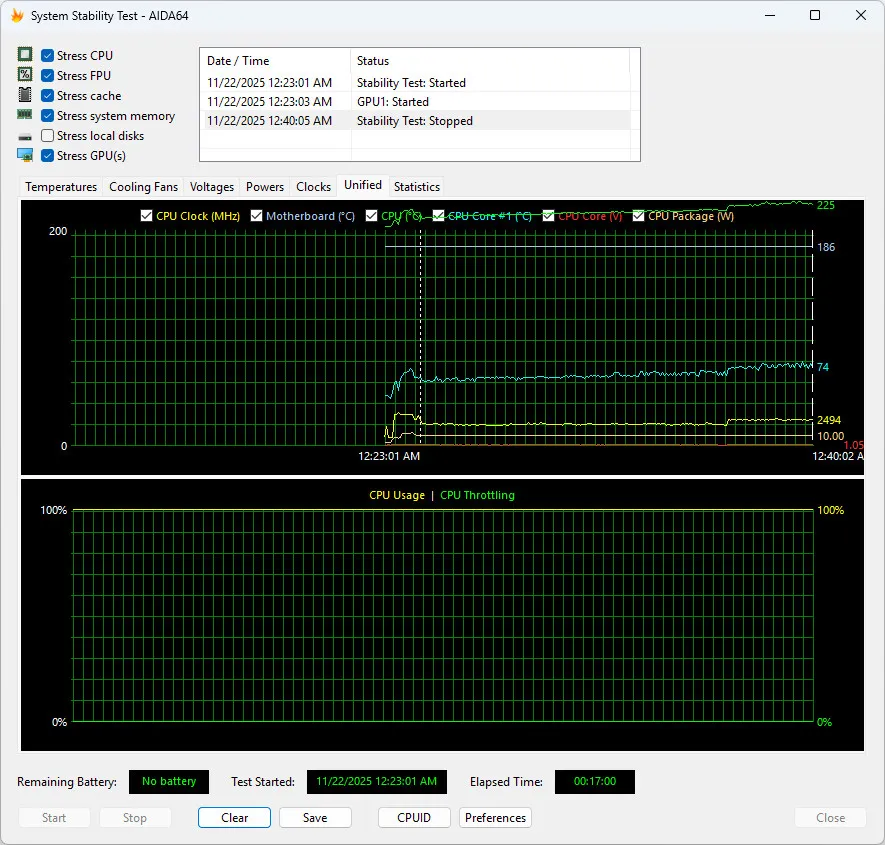
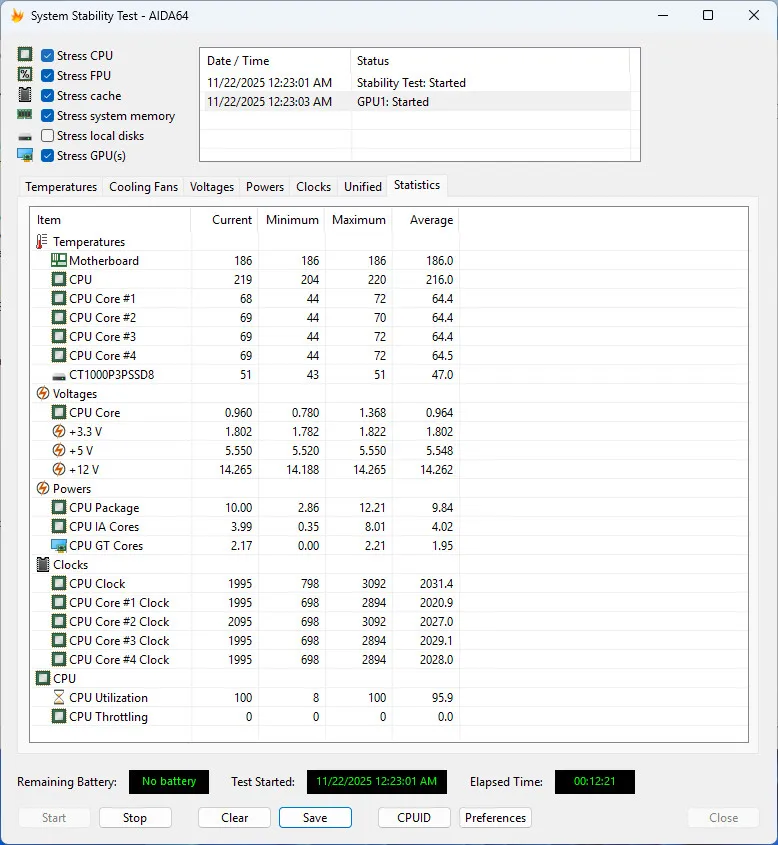
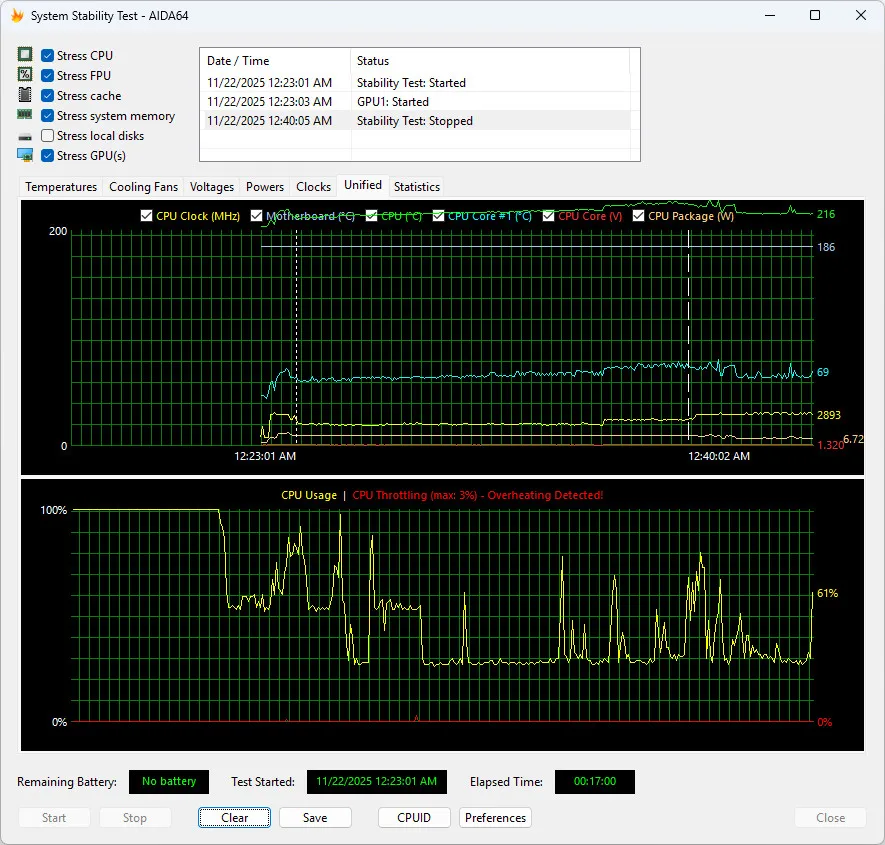
| Testing duration | Components under stress | CPU Frequency | CPU Throttling | Temperatures |
| 17min | ✅ CPU ✅ FPU ✅ CACHE ✅ Memory ✅ GPU | Min: 2395MHz Max: 2494MHz | 3% | Max: 75C Min: 43C (Idle) |
How about CPU throttling?
CPU throttling happens when the processor reduces its speed to avoid overheating or to save power. It’s usually measured as a percentage of time the CPU spends below its maximum performance due to thermal or power limits. in out 17min testing we got 3% of CPU throttling.
📊 Is 3% throttling good?
- Yes, 3% is generally very good.
- It means the board CPU is running at full speed 97% of the time.
- A small amount of throttling is normal under heavy workloads.
- Acceptable range: Anything under 5–10% is considered healthy.
Checking hardware information
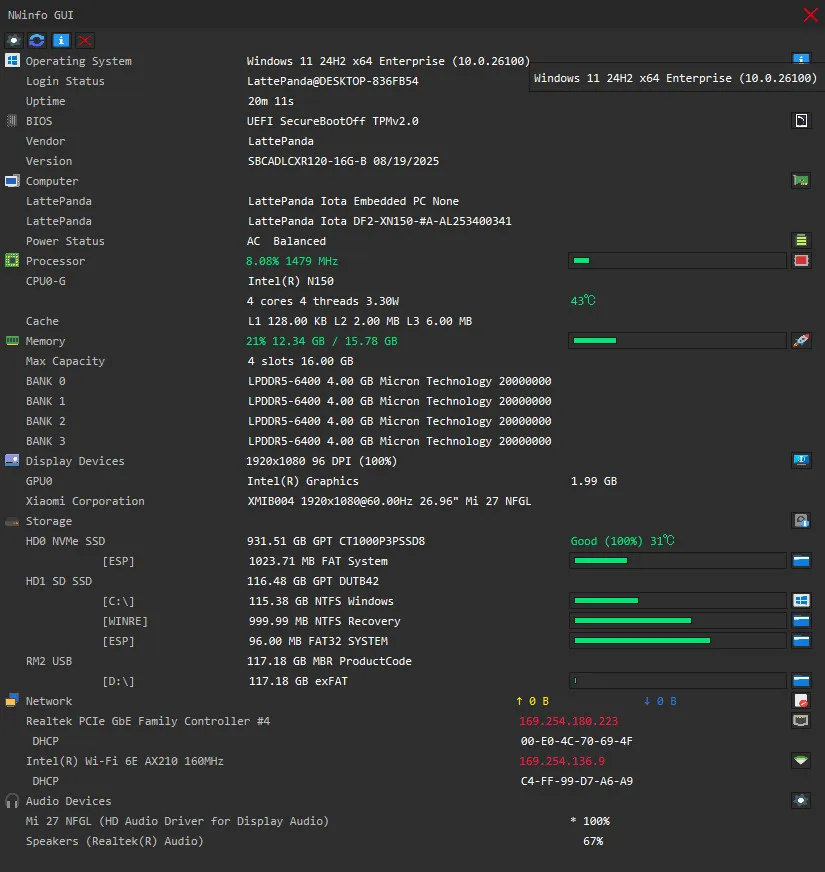
The LattePanda IOTA 16GB RAM edition offers double the RAM capacity of the 8GB model, with about a $40–$60 price difference between them. If you need more RAM for higher demanding projects, it’s definitely worth the upgrade. Both versions come equipped with LPDDR5 memory chips made by Micron Technology.
Our experience
So far, so good—Windows 11 runs much smoother with twice the RAM, making for a great overall experience. For Linux enthusiasts, it’s always worth trying out a compatible x86 distro like the latest Ubuntu.
When you installed the IOTA Active Cooler, was there a gap between the CPU and the cooler? Mine seems to have an air gap that can’t be overcome with thermal paste.
Maybe, but I can’t say for sure. The thermal paste should help, even if there is a very small gap.
If you’re really annoyed with the gap, you can always try adding a thermal pad. What you should focus on is checking the temperatures to see if they are stable. If they are stable and reasonable in range, then everything is working as it should.