Software Support
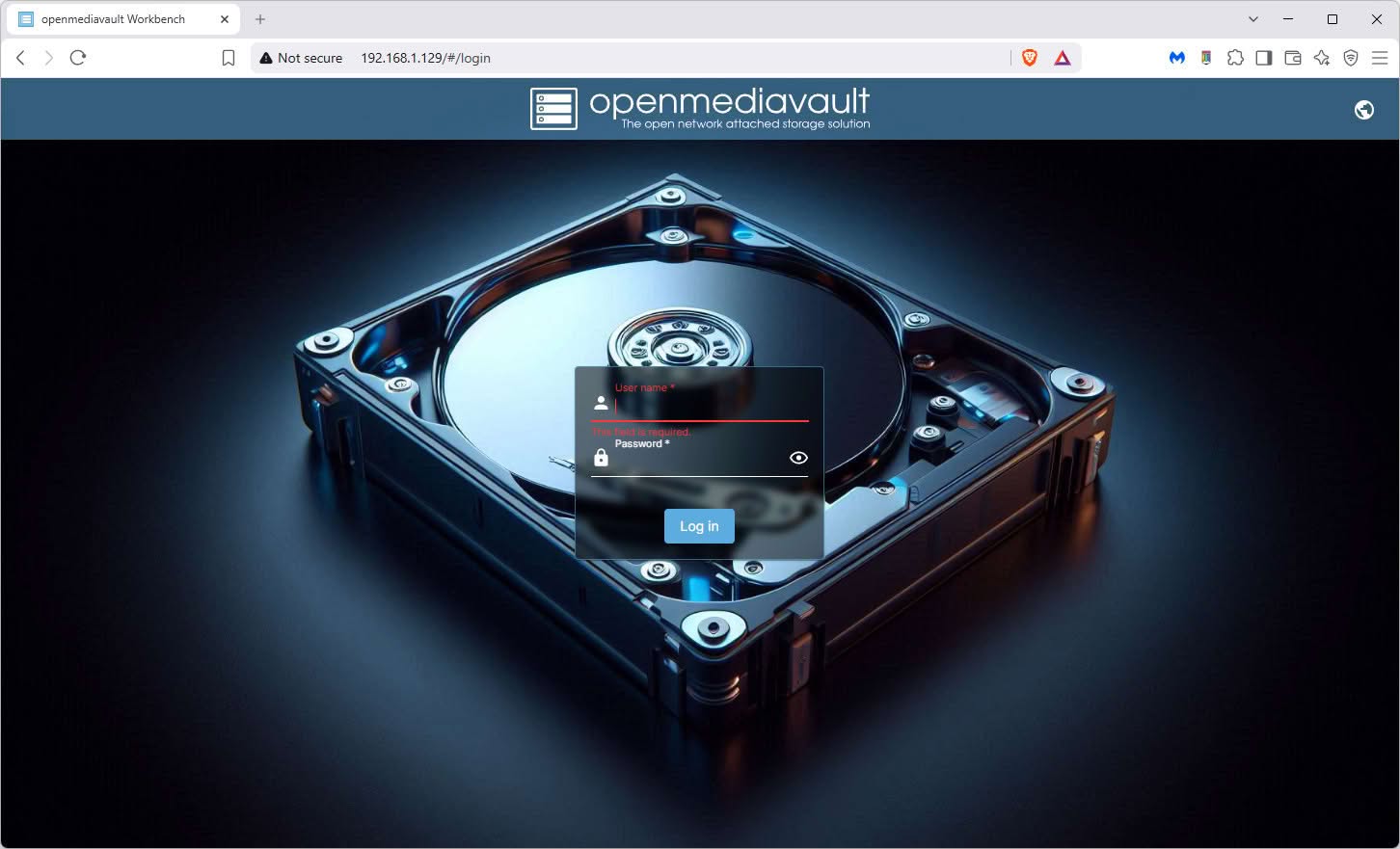
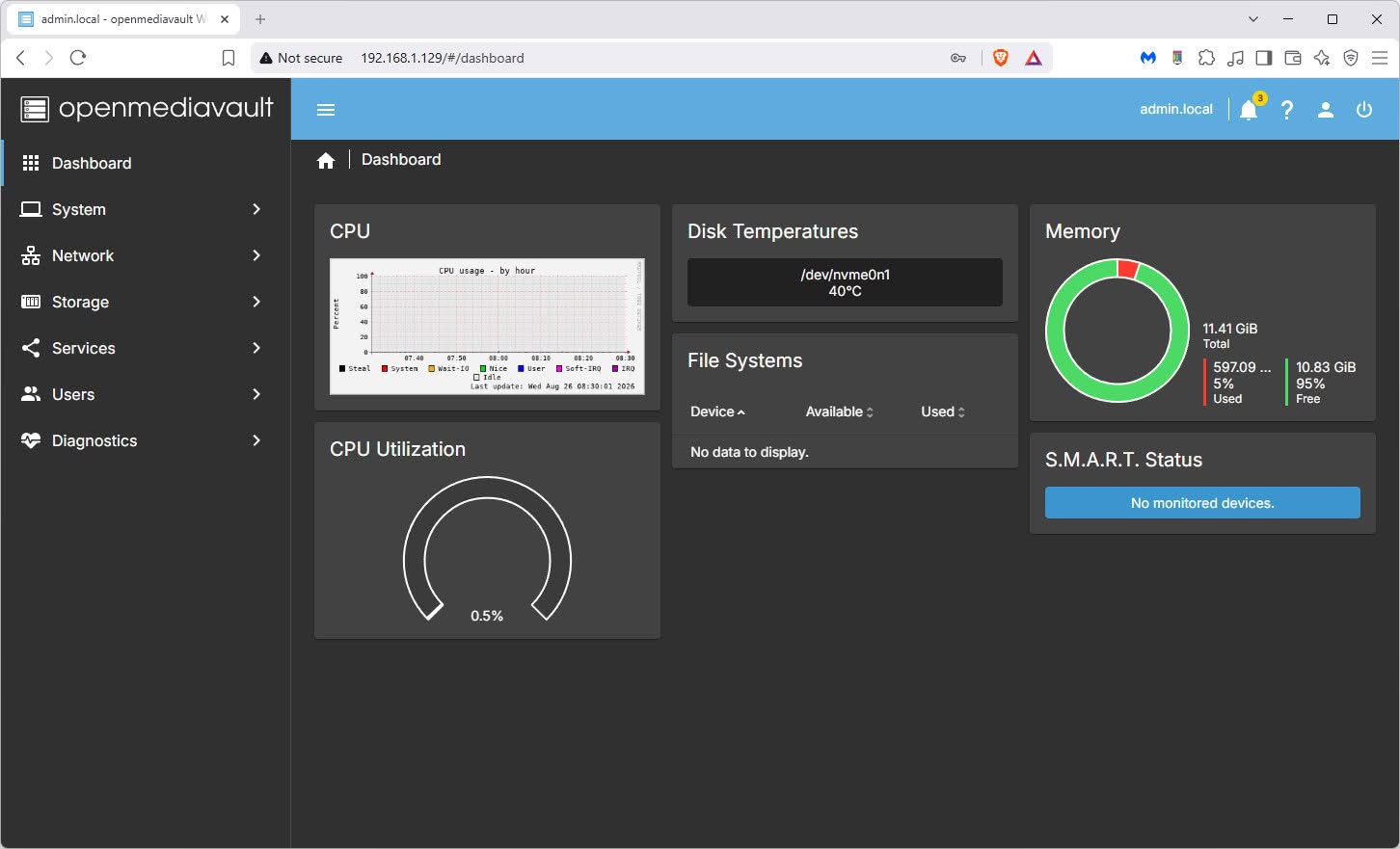
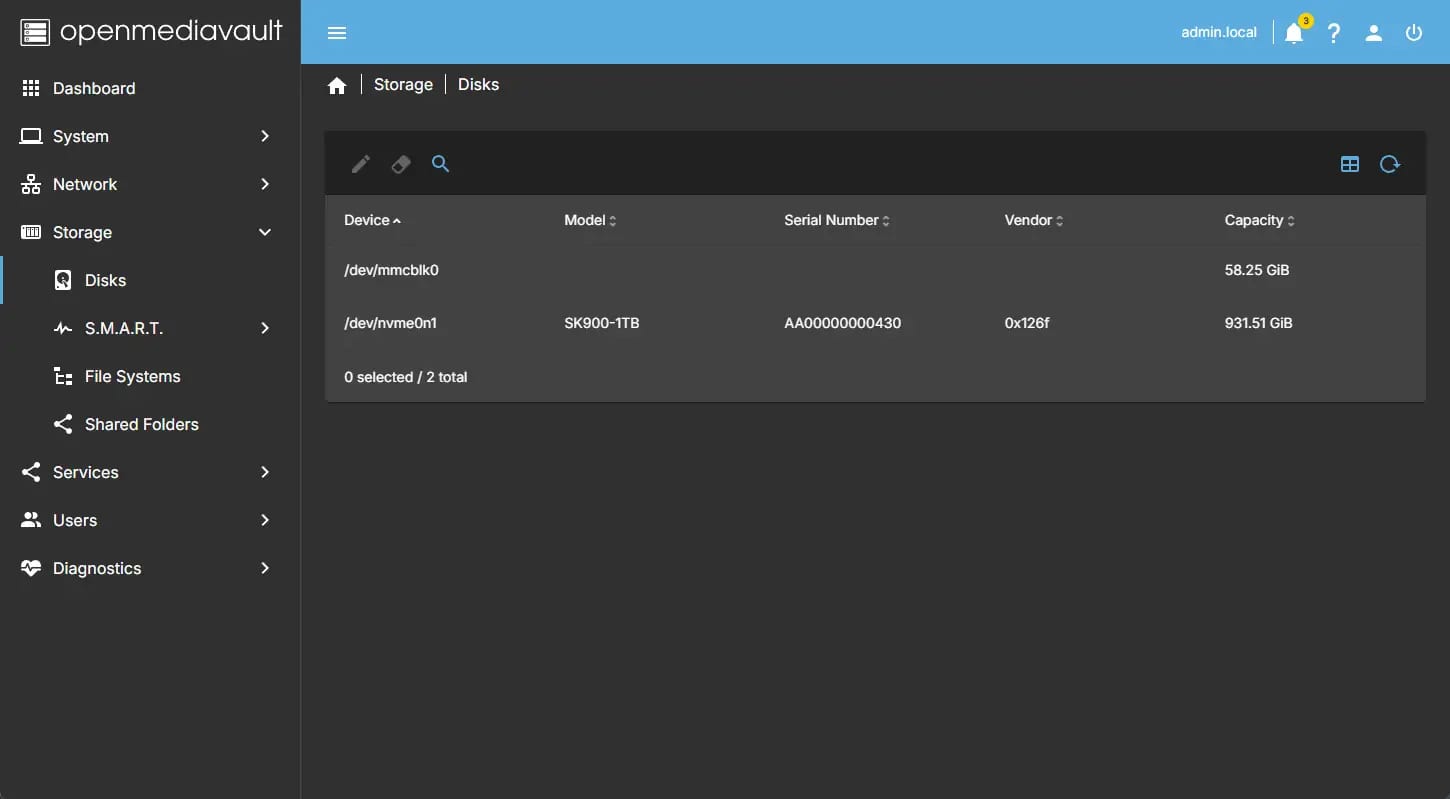
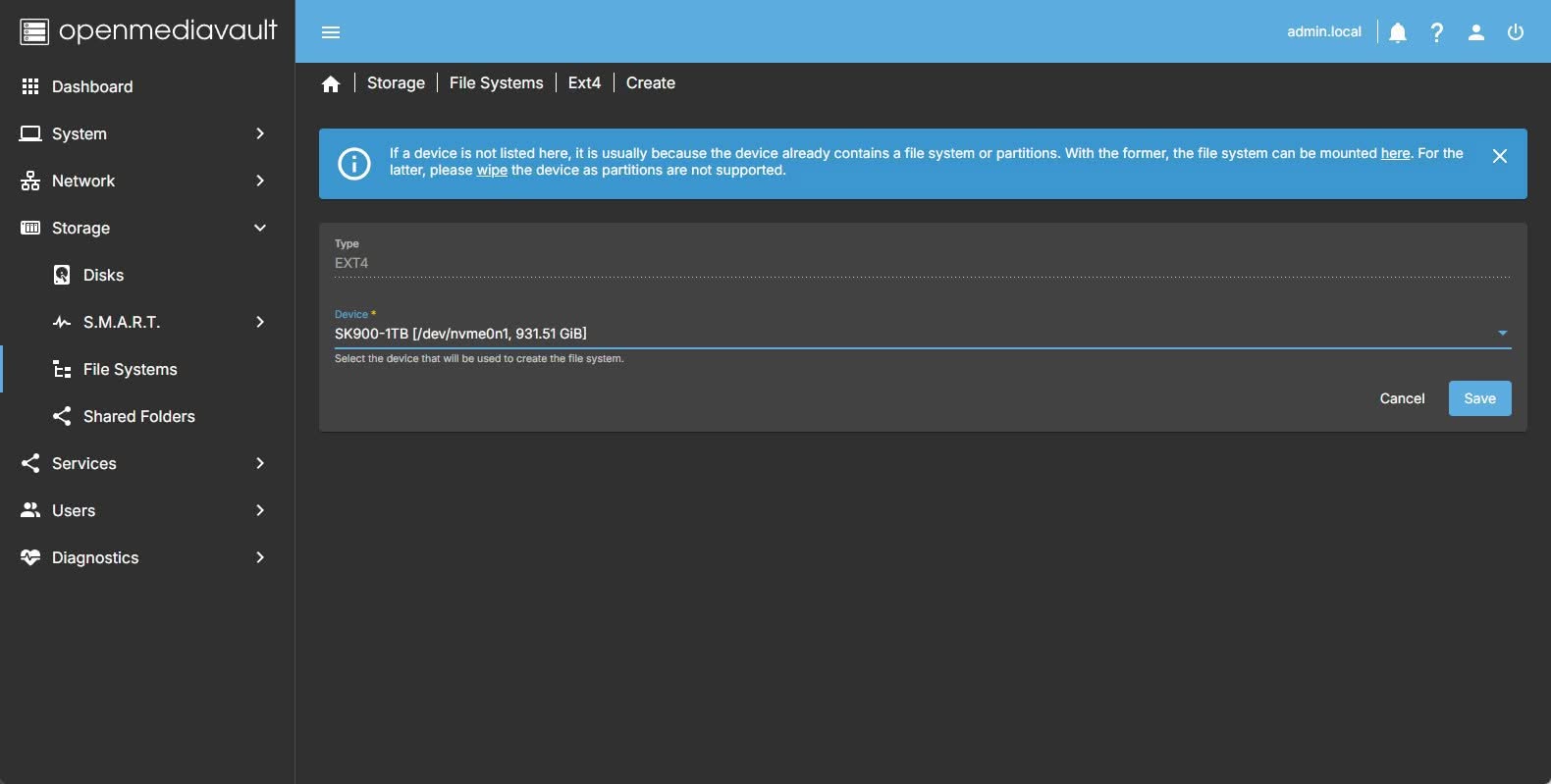
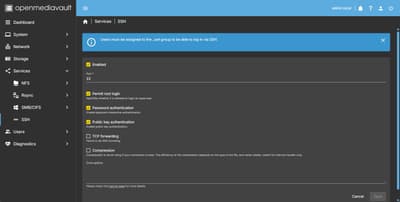
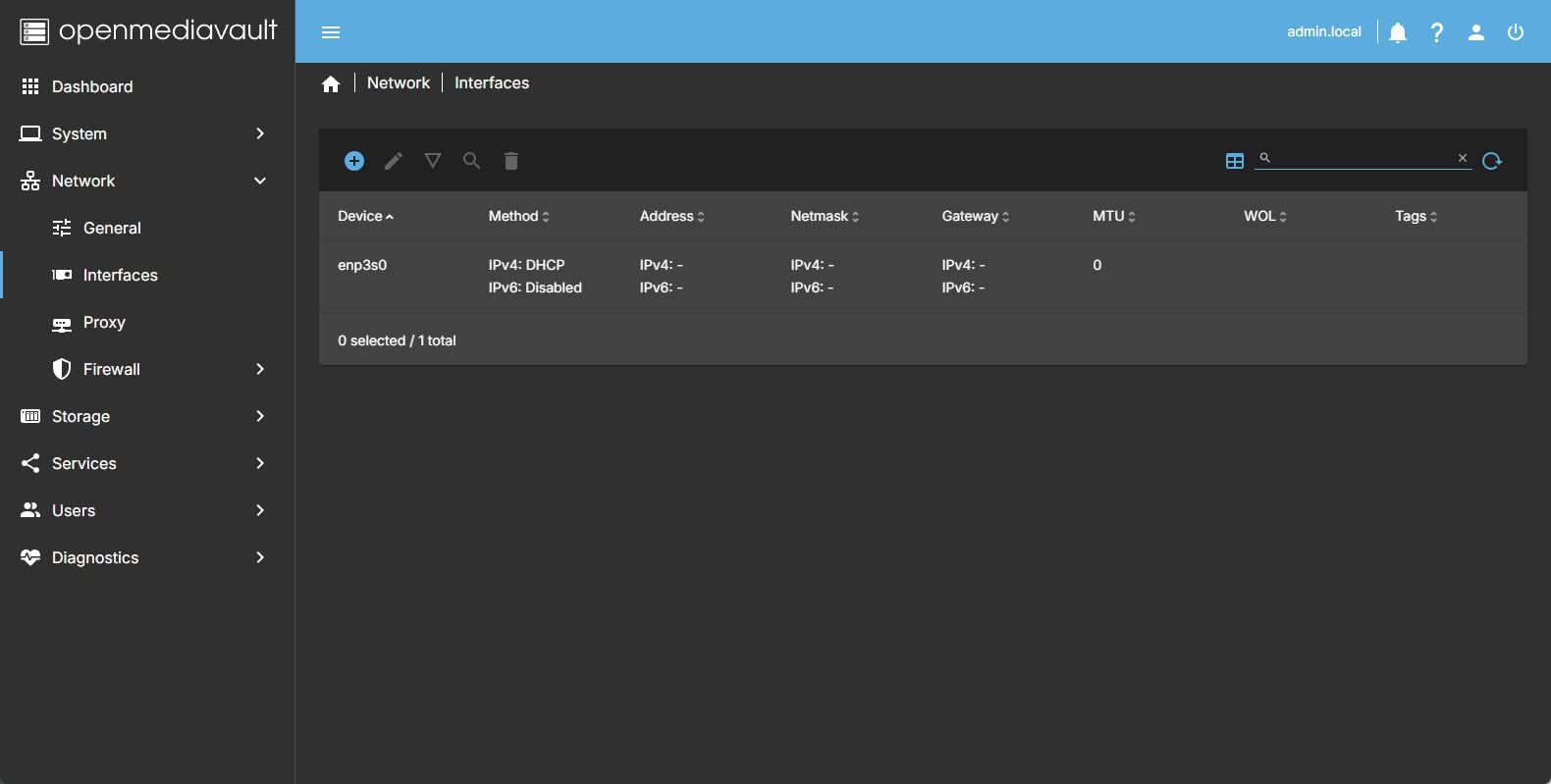
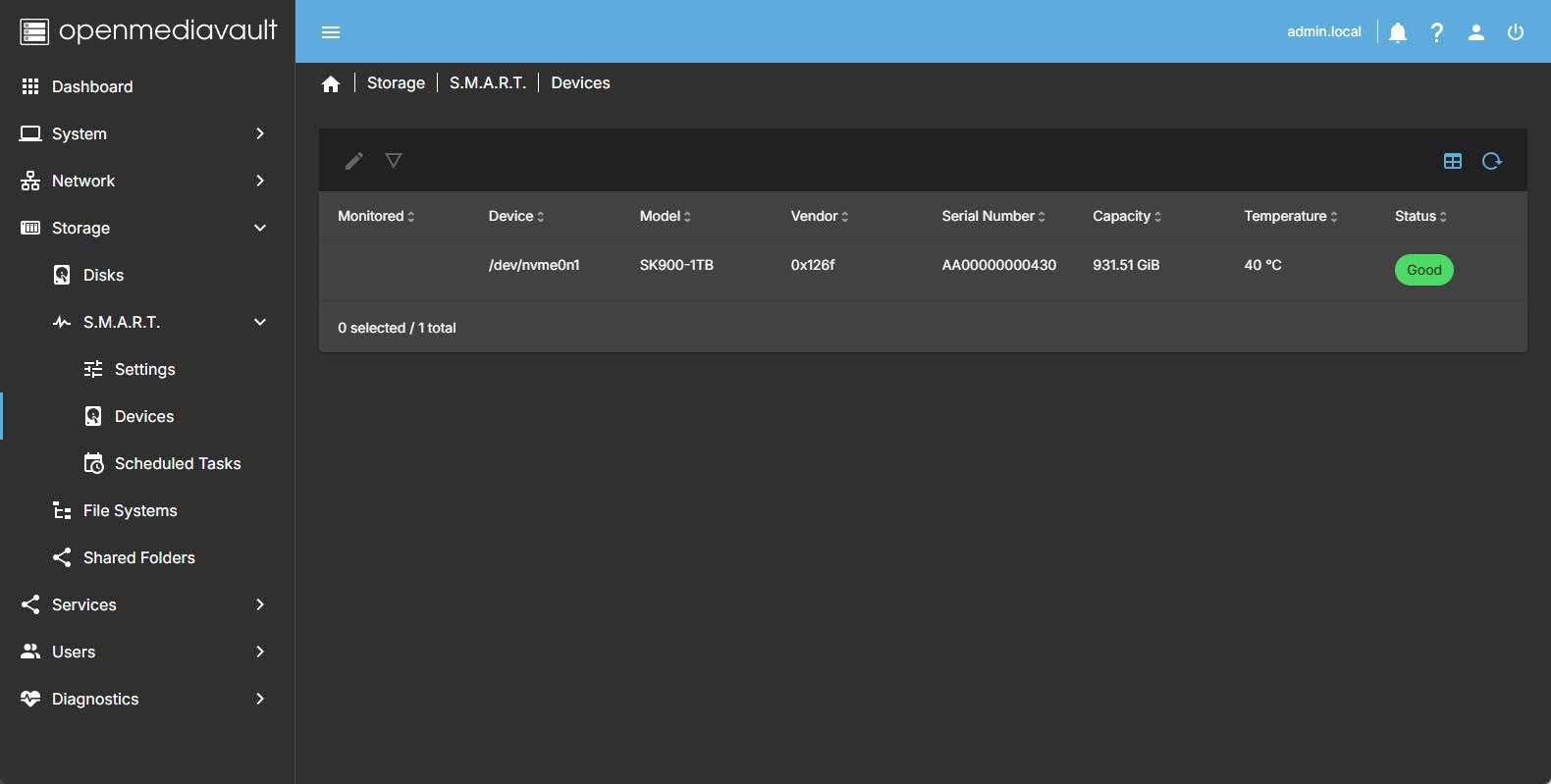
In this area, you won’t have any trouble finding images, unlike ARM-based boards. Since this hardware is based on the Intel x86 architecture, you can run almost any popular operating system, such as Windows, Ubuntu, and so forth. That said, by default, the device comes pre-installed with OpenMediaVault, which is a free user-friendly, open-source network-attached storage (NAS) operating system built on Debian Linux. If you’re seeking a more modern NAS solution with an improved GUI experience and a wealth of features, consider installing other free NAS options like TrueNAS or CasaOS.
OpenMediaVault (Screenshots)

Key Takeaways
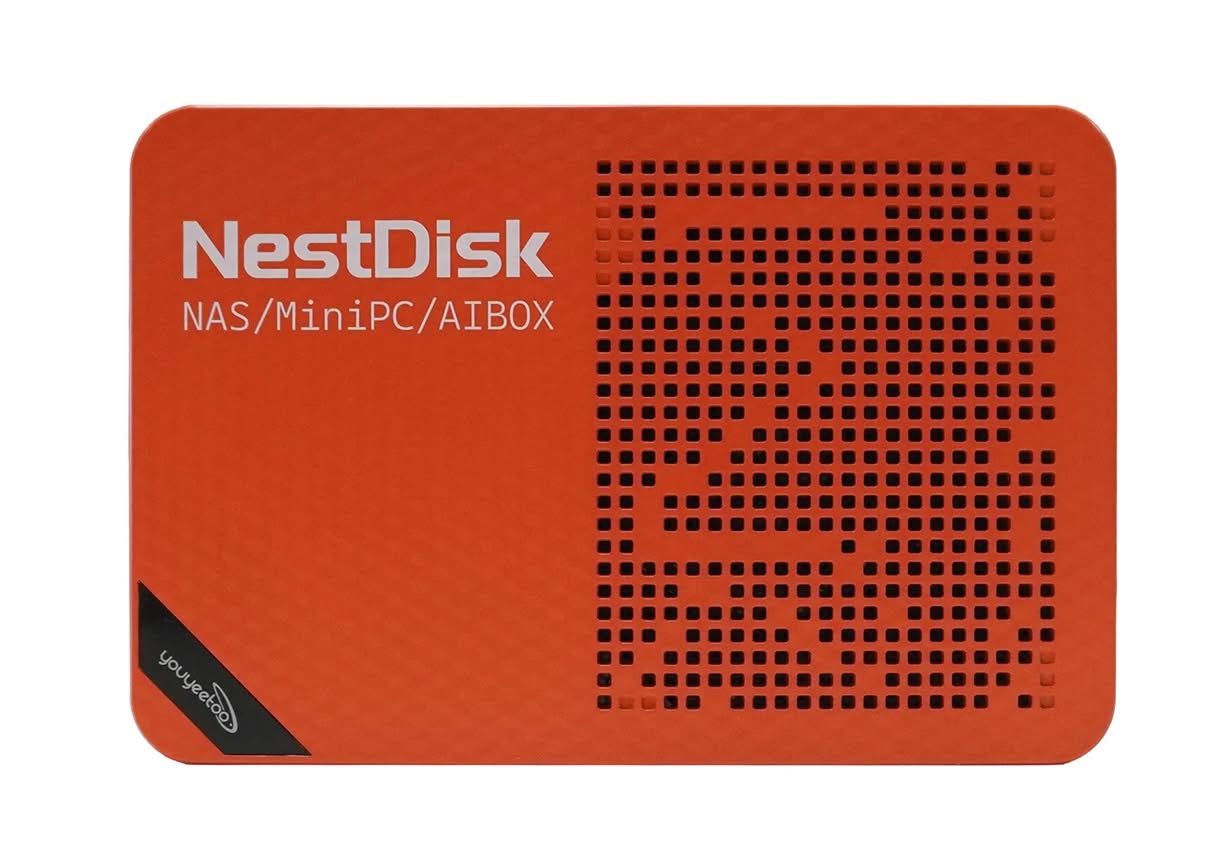
- That's why Youyeetoo offers the NestDisk Mini PC NAS solution.
- It has four slots for NVMe SSDs, making it great for home or school use.
- High-Performance Intel Twin Lake N150 Processor: Powered by the Intel Twin Lake N150 processor, this device delivers efficient performance for file storage, media streaming, and light server tasks.
- Upgrade Your Home Internet (Soft Router) The NestDisk has two high-speed internet ports, which allows it to act as a "Soft Router.
- Where to Get It The Youyeetoo NestDisk Mini PC NAS is currently available on Amazon, eBay, and the official Youyeetoo website.