Close Menu
    Facebook X (Twitter) Instagram Threads
    Trending
    • AliExpress Promo Codes by Country (100% Verified – 09/2026)
    • LattePanda Mu Ultra Debuts with Intel Lunar Lake & 115 TOPS AI Power
    • Orange Pi Zero 4 Review: Is This $26 Micro SBC a Raspberry Pi Killer?
    • Youyeetoo NestDisk Review: Pocket-Sized Mini PC, Router & NAS
    • Rii TU3607 iPad Keyboard Case Review: Dream or Heavy Burden?
    • PrivadoVPN Review 2026: Does the Free Tier Still Work for Streaming?
    • Rii 518BT Review: Is This Pocket Keyboard Actually Usable?
    • Rii RK807 Pro Review: The Best Budget Apple Magic Keyboard Alternative?
    AndroidPIMP
    Facebook X (Twitter) Instagram
    • Mini PCs & Media Players
    • Embedded
    • Wearables
    • Wireless Routers
    • Edge AI Cameras
    • Tech Accessories
    AndroidPIMP
    Redmi Pad 2 Tablet Review

    Redmi Pad 2 Review (2025): The Best Budget Tablet Value? Full Review

    0
    By androidpimp on September 26, 2025 Tablet PCs
    19 min read●Updated December 20, 2025
    • • Part I: Presenting the budget-friendly Redmi Pad 2 Tablet!
    • • Now Officially Released
    • • Design
    • • External Design
    • • Color variants
    • • Display
    • • Software - Powered by HyperOS 2.0
    • • Hardware
    • • Battery and Charging
    • • Specifications
    • • Part II: REDMI Pad 2 Review (Under Updating) p2
    • • The Package p2
    • • Unboxing All Items p3
    • • Design & Build Quality p4
    • • Weight p5
    • • Comparing this device's weight to other top tablet brands. p5
    • • Display p6
    • • Assessing display visibility under various lighting conditions. p6
    • • Display size and aspect ratio p6
    • • Recommended Accessories (Optional for an additional fee) p6
    • • Screen Protection p6
    • • Is the display made with Gorilla Glass to ensure greater durability? p6
    • • Protection cover p6
    • • Redmi Smart Pen p6
    • • Speakers & Sound Quality p7
    • • How would you describe the sound quality? p7
    • • Cameras & Photography p8
    • • The main camera housing design p8
    • • Personal impression p8
    • • Capturing videos and images at high resolutions p8
    • • Software p9
    • • Widevine L1 Certification p9
    • • Storage Space p9
    • • Available Space p9
    • • Internal Storage (Flash) p9
    • • Does this device operate on a 64-bit operating system? Absolutely! p9
    • • Is it possible to install the Kodi 64-bit APK? p9
    • • How much Memory and CPU resources are utilized p9
    • • Youtube video playback p9
    • • Hardware p10
    • • CPU Architecture p10
    • • Overall performance assessment of the device p10
    • • Redmi Pad 2 vs. Oppo Pad SE p10
    • • Side-by-side hardware comparison of the Poco Pad and Redmi Pad 2 p10
    • • Conclusions p10
    • • GPU p10
    • • Gaming Performance p10
    • • Performance Benchmarks p11
    • • Running Geekbench 6.0 p11
    • • Single-Core Test Results p11
    • • Multi-Core Test Results p11
    • • Comparing our benchmark results to equivalent devices p11
    • • Connectivity p12
    • • Battery Life & Charging Speed p13
    • • Battery life testing p13
    • • Test No. 1 - Testing in lightweight usage (YouTube only) p13
    • • Test No. 2 - Testing in moderate usage (YouTube & Stremio) p13
    • • Recommended Power adapter p13
    • • Charging Speed p13
    • • Conclusions p13
    • • Final Verdict p14
    • • Price and availability of the Redmi Pad 2. p15
    • • Overall thoughts after three months of testing the Tablet p15
    • • FAQ p15

    Related reading

    • Orange Pi 6 Review: Is It Suitable for Running Local LLMs? We Checked.
    • LattePanda Mu Ultra Debuts with Intel Lunar Lake & 115 TOPS AI Power
    • LattePanda Mu Ultra Debuts with Intel Lunar Lake & 115 TOPS AI Power

    Hardware

    Powered by the Helio-G100-Ultra, a refined version of the MediaTek Helio G99 chipset produced in a 6nm manufacturing process, this device delivers good performance that perfectly matches its price.

    CPU Architecture

    The processor architecture features a configuration of 8 cores, organized into two clusters. One cluster consists of 6 Cortex-A55 cores that operate at frequencies between 500MHz and 2000MHz, while the second cluster contains two Cortex-A76 cores that function at frequencies ranging from 725MHz to 2200MHz.

    Overall performance assessment of the device

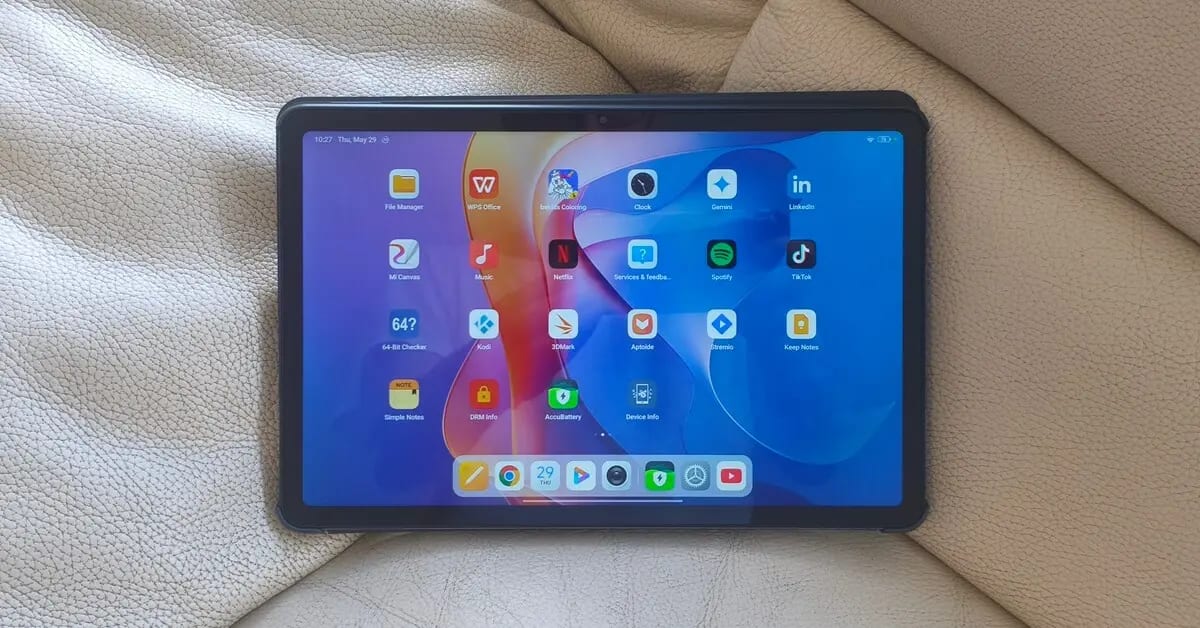
    The performance of the tablet running Xiaomi HyperOS 2.0.102.0 right out of the box is pretty good. It runs smoothly and responds well, likely because Xiaomi hasn’t bombarded it with a ton of software ads that could slow it down. Overall, it does the job just fine!

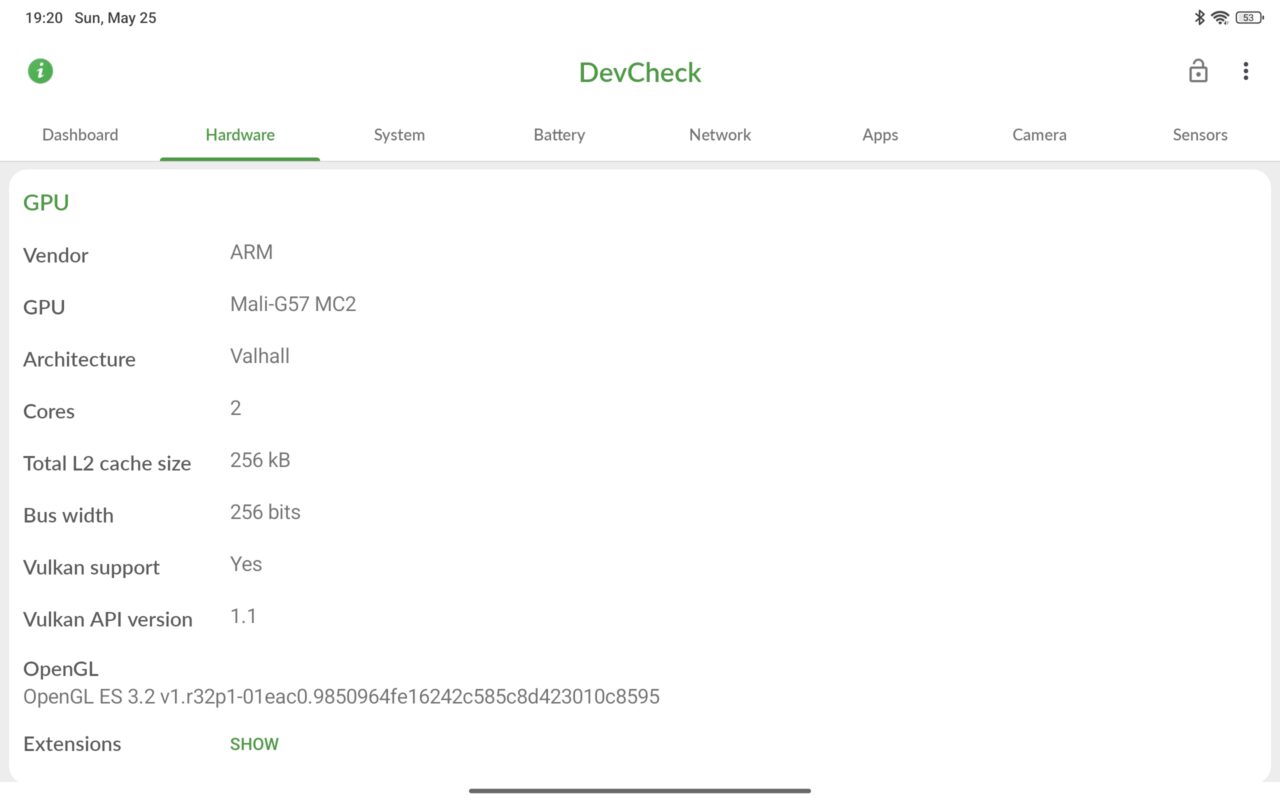
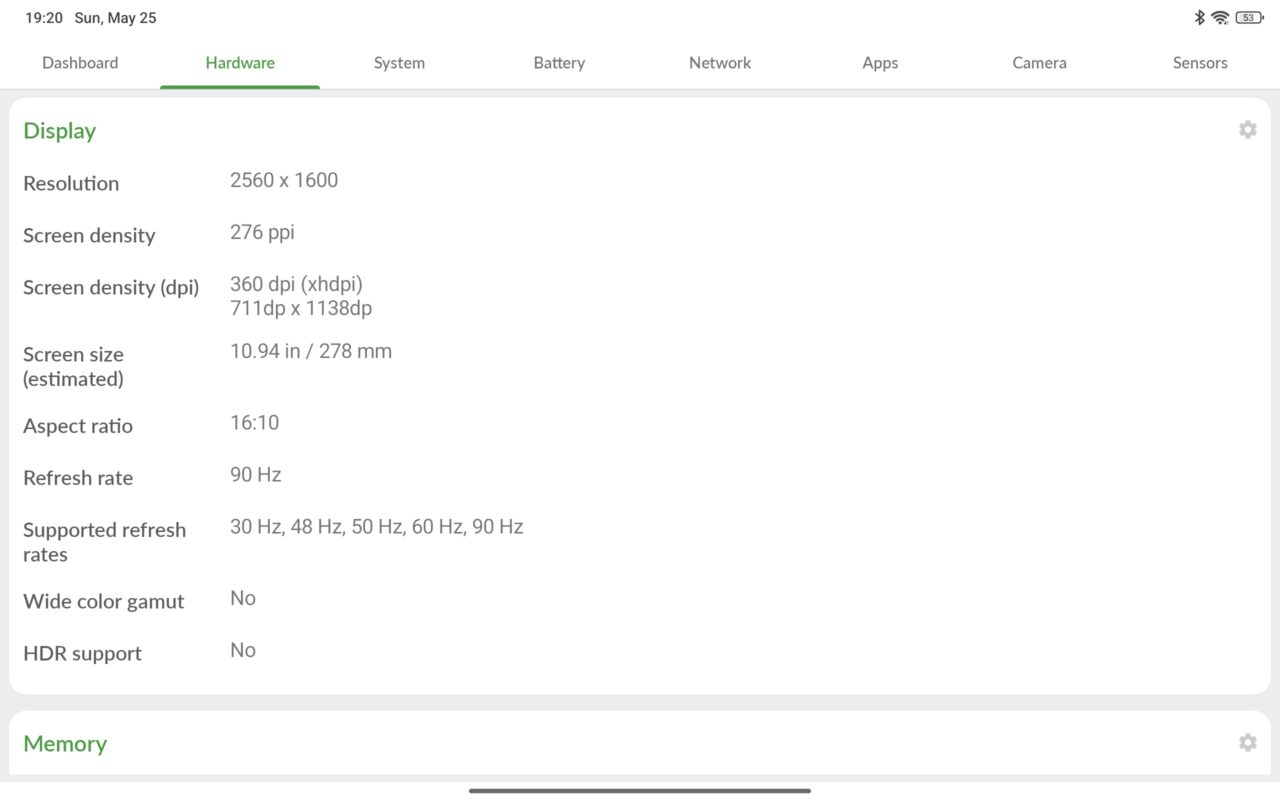
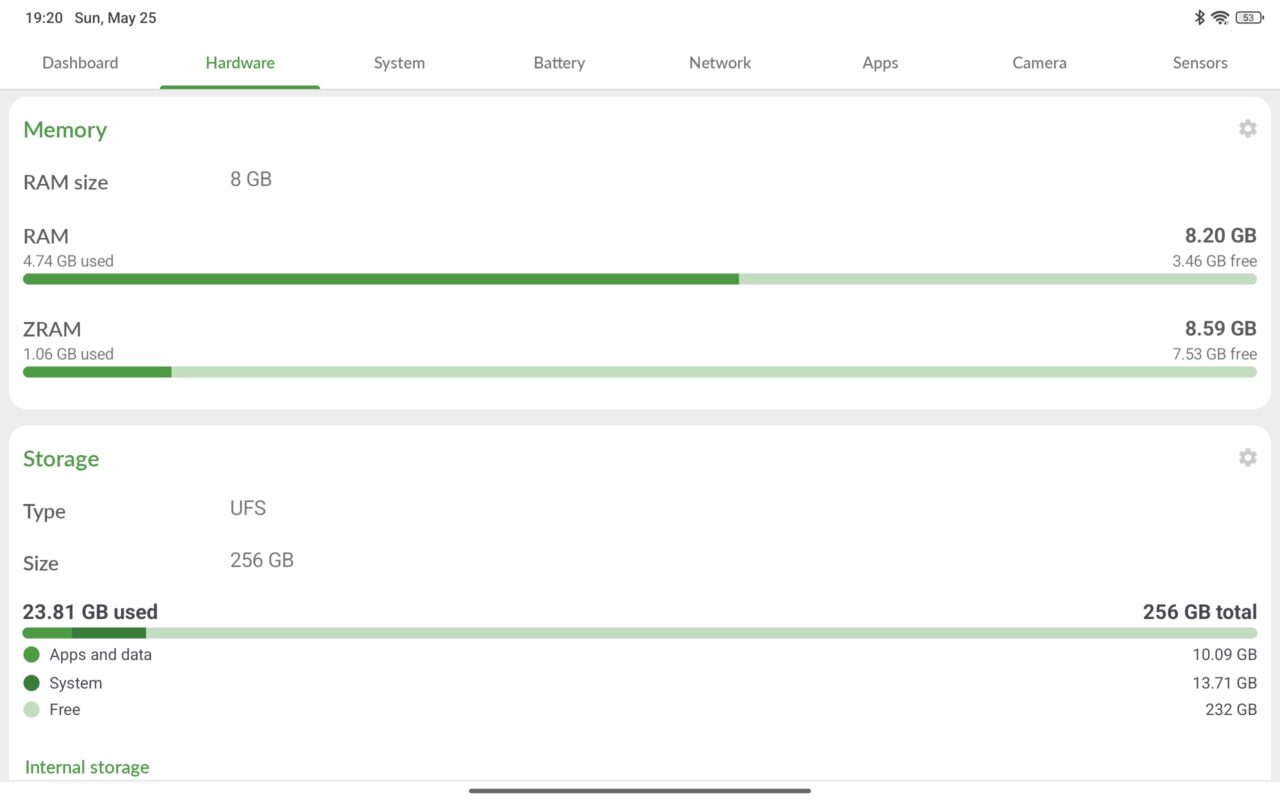
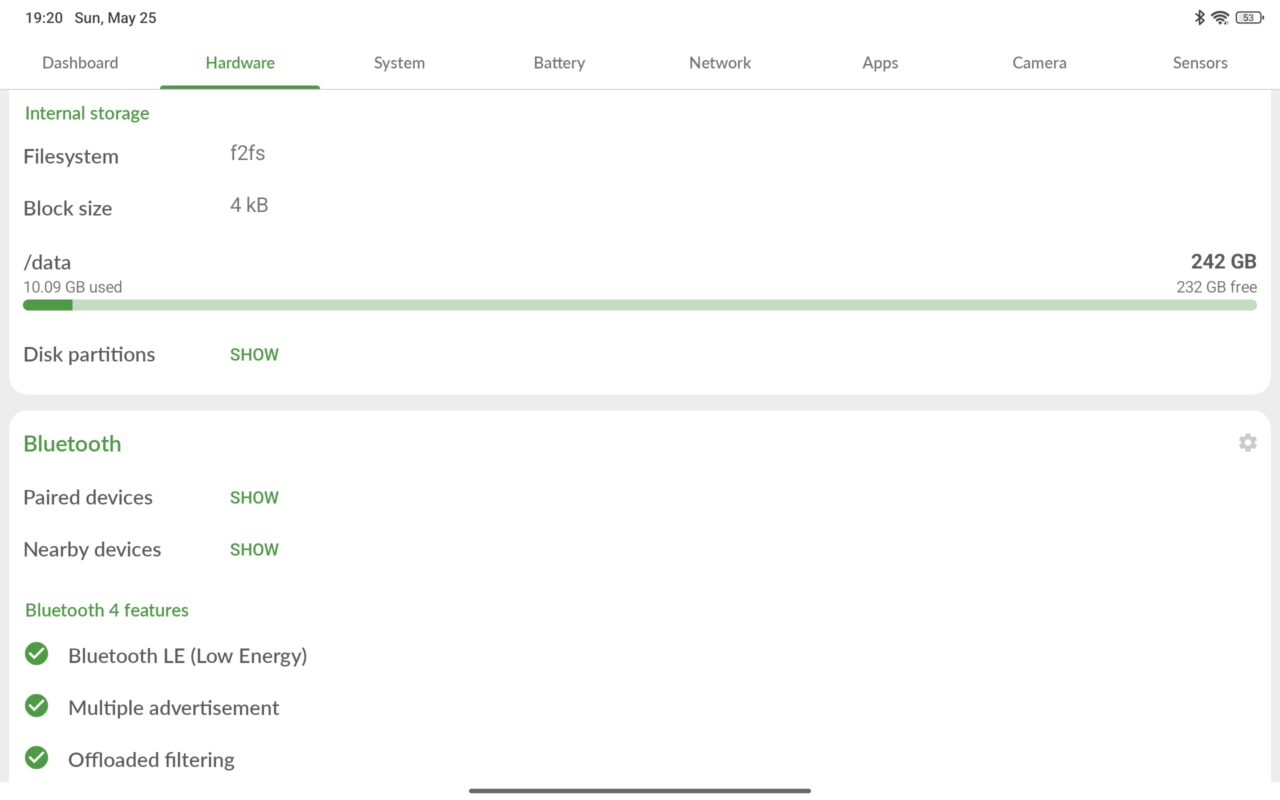
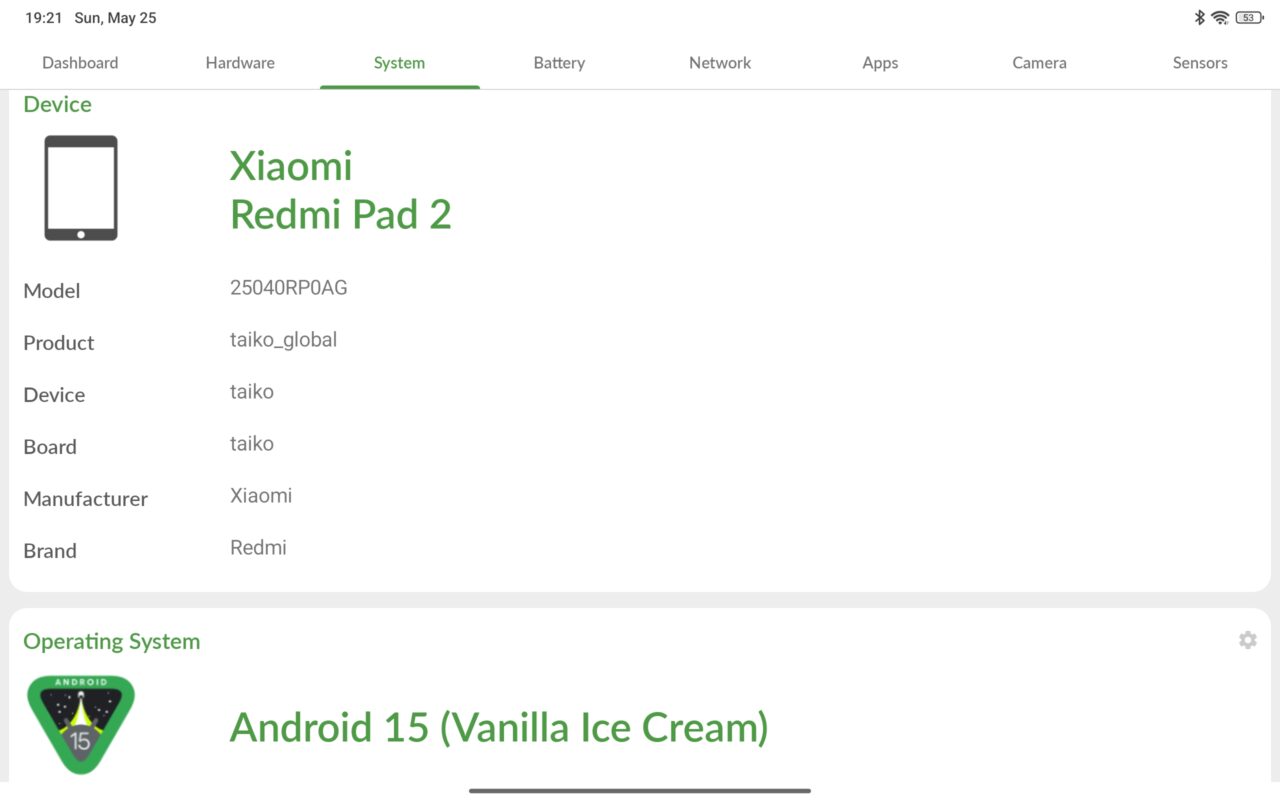
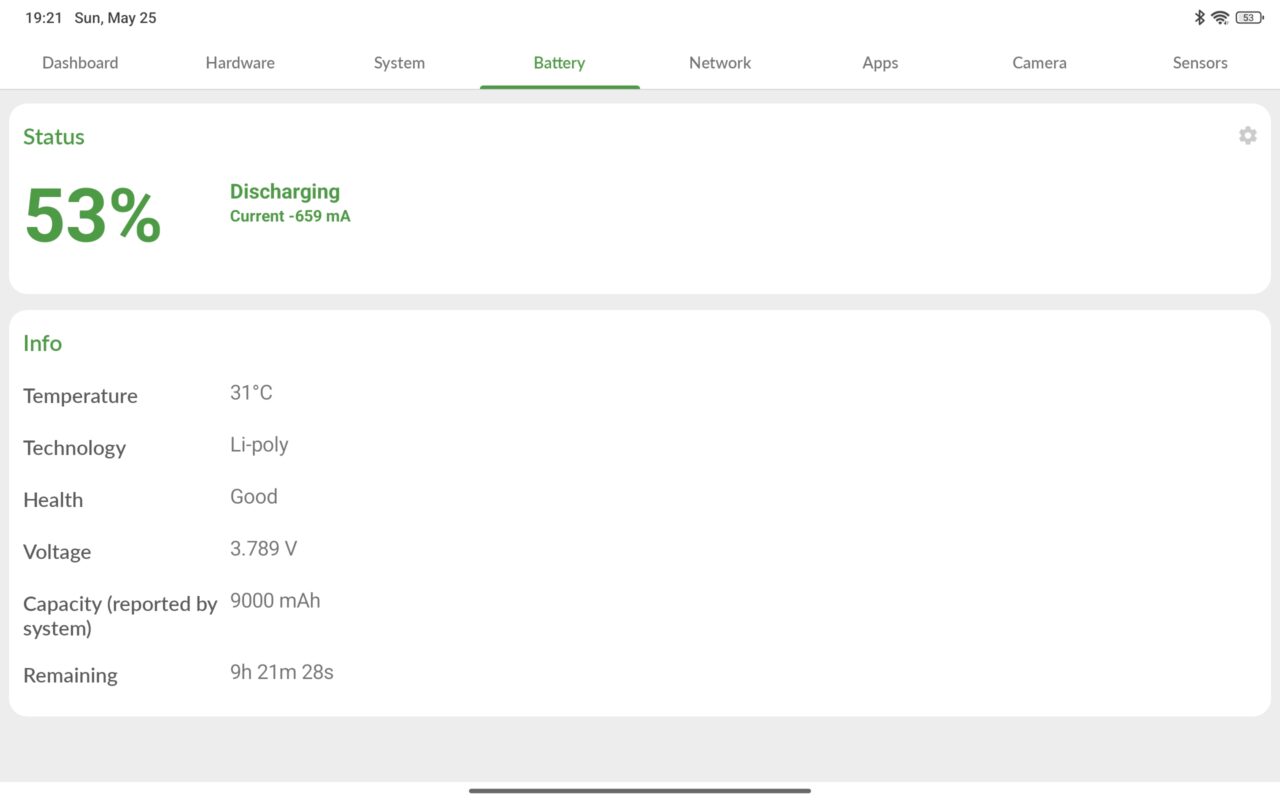
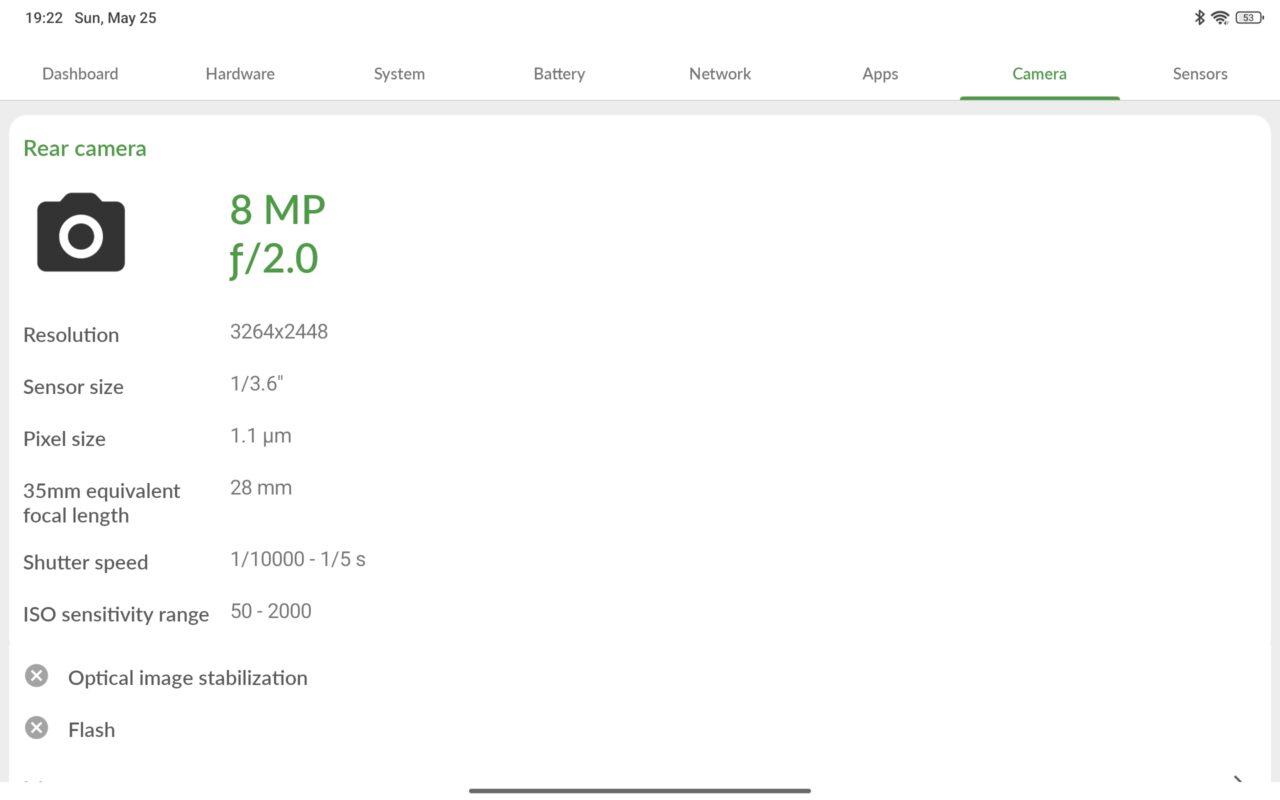
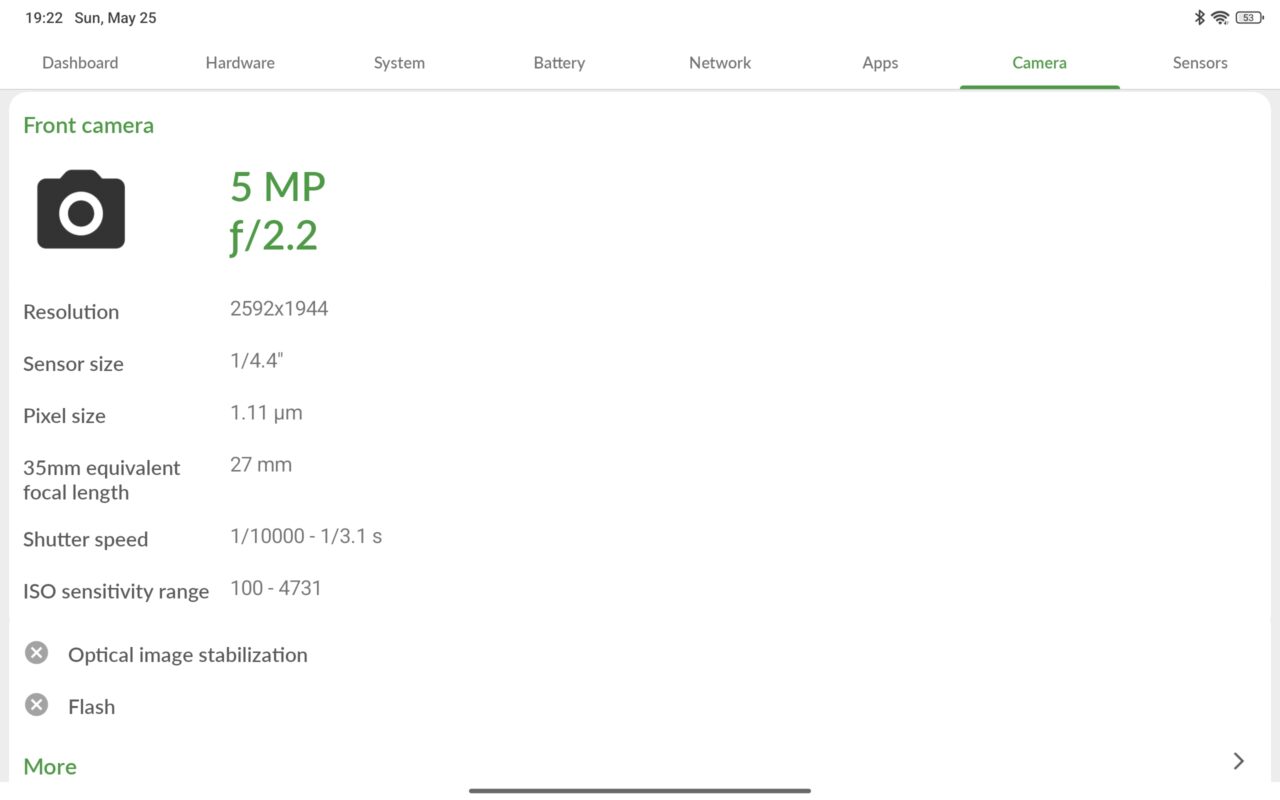
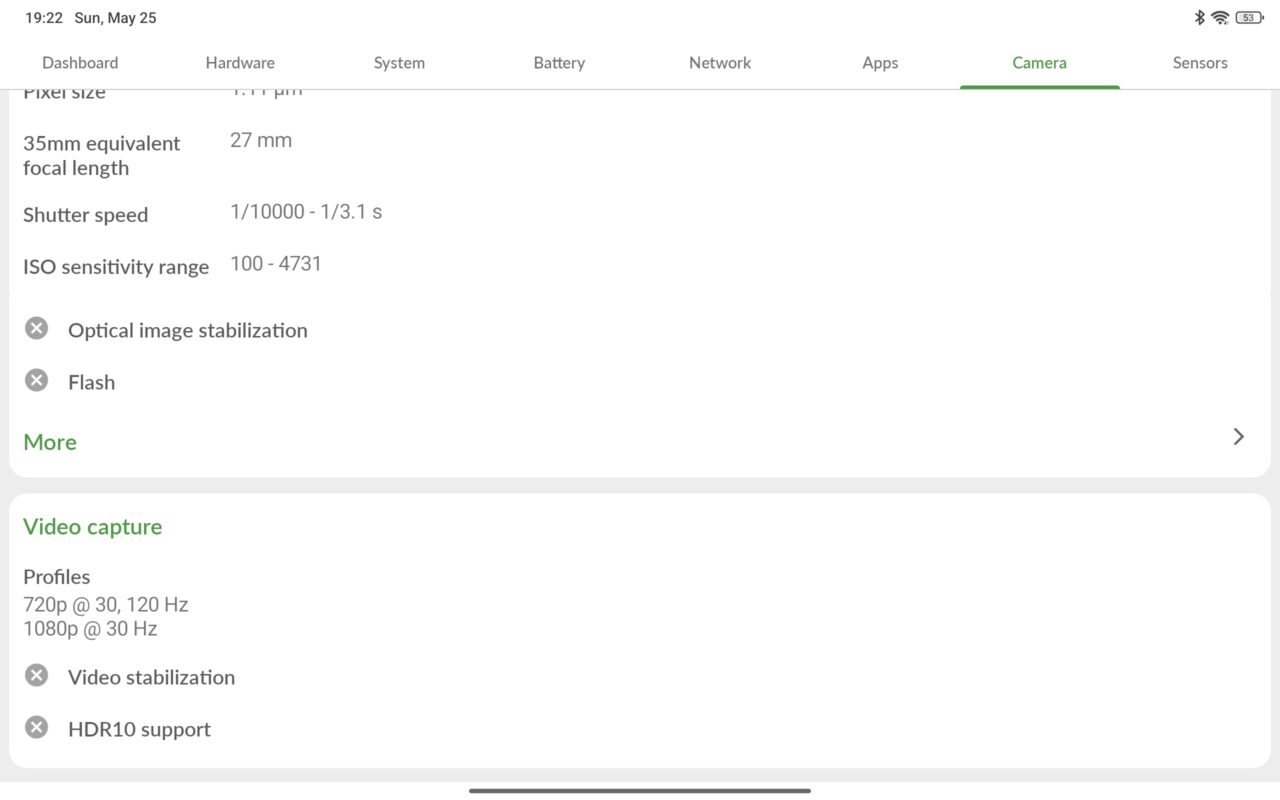
    Hardware/OS Information (Screenshots)

    Redmi Pad 2 vs. Oppo Pad SE

    Here is a concise comparison of the specifications between the Oppo Pad SE, which was also launched this year on May 15, 2025. While, both chips share identical core configurations, GPU, and memory support, the Ultra version have a slight advantage and may have optimizations for efficiency and AI processing.

    SpecificationXiaomi Redmi Pad 2Oppo Pad SE
    Announced2025, Jun 52025, May 15
    11-inch (diagonal) Display Size✅ ✅
    Stylus support✅ ✅
    Operating SystemAndroid 15, HyperOSAndroid 15, ColorOS 15
    Screen TypeLCDLCD
    Resolution2,560 x 1,600 pixels1200 x 1920 pixels
    Peak Brightness 600 nits (peak)500 nits (peak)
    ChipsetMediatek Helio G100 Ultra (6 nm)Mediatek Helio G100 (6 nm)
    GPUMali-G57 MC2Mali-G57 MC2
    Configurations
    (RAM & Storage)
    6GB/128GB
    8GB/128GB
    8GB/256GB
    4GB RAM/128GB
    8GB RAM/256GB (WiFi)
    8GB RAM/256GB (4G)
    Rear Camera5MP5MP
    Front Camera8MP5MP
    Dolby Atmos✅ ❌
    Stylus pen✅ ❌
    SD Card slot✅ ❌
    3.5mm jack✅ ❌
    Speakers42
    Thickness 7.36mm7.4mm
    Weight516 g527 g
    Battery & ChargingLi-Po 9,000mAh /18W (max)Li-Po 9,340 mAh /33W (max)

    Side-by-side hardware comparison of the Poco Pad and Redmi Pad 2

    ModelPoco PadRedmi Pad 2
    Launched DateMay 23, 2024June 5, 2025
    Display12.1″ IPS LCD, 2560×1600, 120Hz, Dolby Vision11″ IPS LCD, 2560×1600, 90Hz
    ProcessorSnapdragon 7s Gen 2 (4nm)MediaTek Helio G100 Ultra (6nm)
    RAM & Storage8GB + 256GB (UFS 2.2)4/6/8GB + 128/256GB (UFS 2.2)
    Expandable StorageUp to 1.5TB via microSDUp to 2TB via microSD
    Rear Camera8MP, f/2.08MP, f/2.0
    Front Camera8MP, f/2.35MP, f/2.2
    Battery10,000mAh, 33W fast charging9,000mAh, 18W fast charging
    SpeakersQuad speakers, Dolby AtmosQuad speakers, Dolby Atmos
    OSAndroid 14, HyperOSAndroid 15, HyperOS 2
    Stylus SupportYes (magnetic)Yes
    Weight571g510g
    BuildAluminum frame
    Gorilla Glass 3 front
    Aluminum frame
    ConnectivityWi-Fi 6, Bluetooth 5.2, no LTEWi-Fi 5, Bluetooth 5.3, LTE (optional)
    3.5mm JackYesYes
    Approx. Price8GB+ 256GB: ~$210 – $2204GB+ 128GB (Wi-Fi): ~$180–$190
    8GB+ 256GB (Wi-Fi): ~$220–$230
    8GB+ 256GB (4G): ~$250–$260

    Conclusions

    While the Poco Pad boasts superior hardware, with a larger display, 33W charging, and WiFi 6 support at a similar price point, the Redmi Pad triumphs in terms of battery life.


    GPU

    The tablet is equipped with a mid-range GPU, the ARM Mali-G57 MC2, which is built on the Valhall architecture and manufactured using a 16 nm process. This robust GPU boasts 2 execution units and 64 shading units, achieving a clock speed of 850 MHz and delivering an impressive peak performance of 243.2 GFLOPS (FP32). Its 256 KB cache memory significantly enhances performance, optimizing graphics rendering efficiency. Fully compatible with OpenGL ES 3.2, Vulkan 1.1, OpenCL 2.0 it provides above decent gaming experience rivaling that of the Adreno 618.

    Gaming Performance

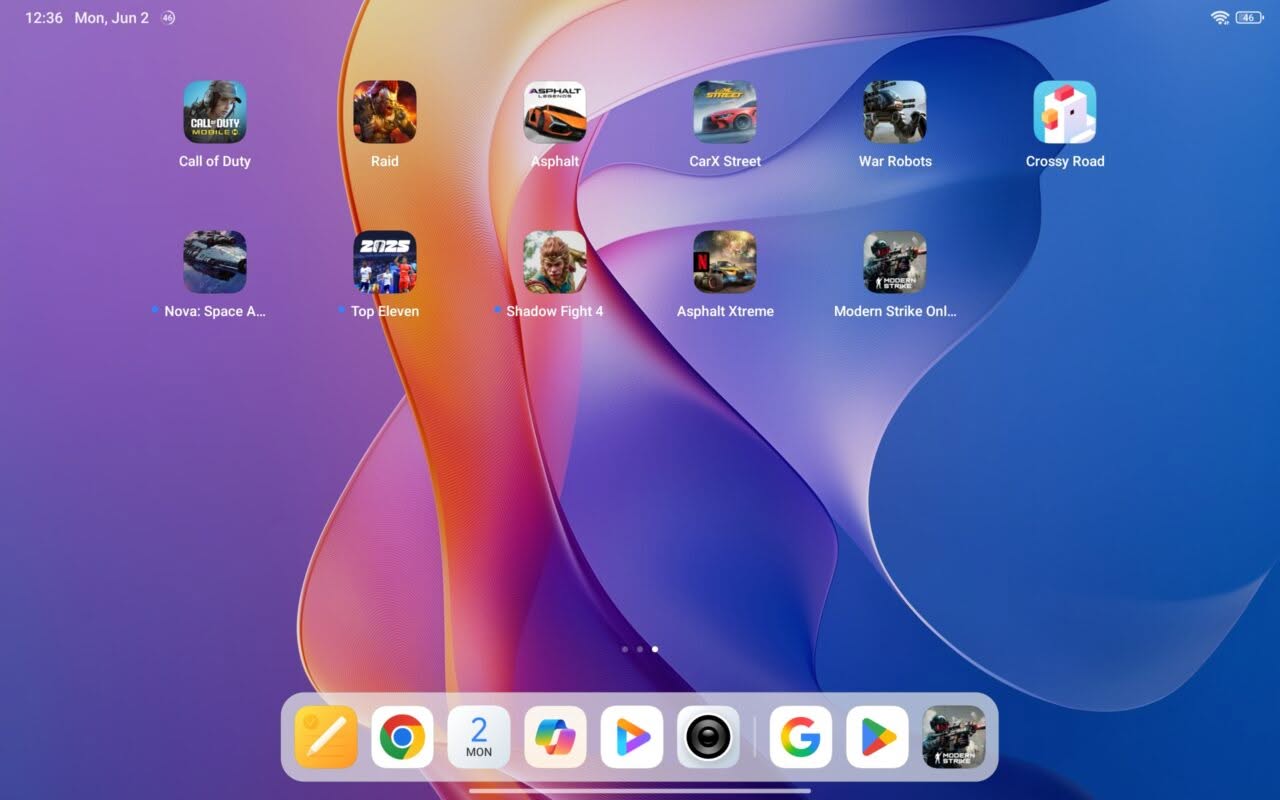
    In our testing, the device with 8GB of RAM we checked exceeded expectations in terms of performance. We successfully played popular titles such as Call of Duty, Asphalt, CarX Street, and more. While Xiaomi has not yet included the Game Turbo feature—a built-in gaming performance enhancer found in HyperOS—there’s a possibility that it may be introduced in future firmware updates. Similar to the Oppo Pad SE tablet, this device also lacks gyro sensors, which are essential for gamers and allow for interactive gameplay through tilting or rotating the device, which is particularly useful while playing racing games and more.

    Evaluating a variety of popular games.
    1 2 3 4 5 6 7 8 9 10 11 12 13 14 15
    Share. Facebook Twitter Pinterest LinkedIn Tumblr Email
    Previous ArticleOrange Pi 600 specs revealed: A compact Intel PC built into a keyboard, featuring an Intel N150 processor
    Next Article Orange Pi AI Studio / Pro launched Globally, Rivaling Nvidia Jetson Orin Nano
    androidpimp
    • Website

    0 0 votes
    Article Rating
    Subscribe
    Notify of
    0 Comments
    Oldest
    Newest Most Voted
    Categories
    Recent Posts
    • AliExpress Promo Codes by Country (100% Verified – 09/2026)
    • LattePanda Mu Ultra Debuts with Intel Lunar Lake & 115 TOPS AI Power
    • Orange Pi Zero 4 Review: Is This $26 Micro SBC a Raspberry Pi Killer?
    • Youyeetoo NestDisk Review: Pocket-Sized Mini PC, Router & NAS
    • Rii TU3607 iPad Keyboard Case Review: Dream or Heavy Burden?
    • PrivadoVPN Review 2026: Does the Free Tier Still Work for Streaming?
    • Rii 518BT Review: Is This Pocket Keyboard Actually Usable?
    • Rii RK807 Pro Review: The Best Budget Apple Magic Keyboard Alternative?
    • Rii RK808 Review: The Best Foldable Travel Keyboard?
    • Rii RS201 Review: $69 16-Inch Portable Monitor Tested
    RSS feed: The Latest RSS Feeds The Latest RSS Feeds
    • AliExpress Promo Codes by Country (100% Verified – 09/2026)
    • LattePanda Mu Ultra Debuts with Intel Lunar Lake & 115 TOPS AI Power
    • Orange Pi Zero 4 Review: Is This $26 Micro SBC a Raspberry Pi Killer?
    Facebook X (Twitter) Instagram Pinterest
    @2026 - All Right Reserved. Designed by AndroidPIMP

    Type above and press Enter to search. Press Esc to cancel.

    wpDiscuz