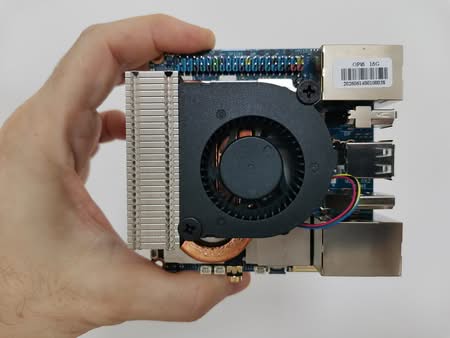
Maybe You Missed It? Top Best Single-Board Computers For Robotics In 2023/4
Introduction: Best Arduino alternatives 2023, 2024 and beyond
The Arduino platform has been popular among hobbyists and professionals for many years. However, as technology advances, so do the options available for those looking for an alternative to the Arduino platform. In 2023, various Arduino alternatives offer a range of features and capabilities.
Explore a wide range of Arduino alternatives, revealing an exciting array of options that cater to different needs and budgets. This comprehensive article thoroughly examines the top alternatives to Arduino, providing insights into their impressive features, powerful capabilities, and attractive pricing. By reading this definitive guide, you will be equipped with the knowledge needed to confidently choose the perfect substitute for your project.
Top 5 Arduino Alternatives for Hobbyists
1. Raspberry Pi 4/5 Series: The Raspberry Pi is a powerful and versatile single-board computer ideal for hobbyists. It can run various operating systems, including Linux, and can be used for many projects. It is also relatively inexpensive, making it a great choice for those on a budget.
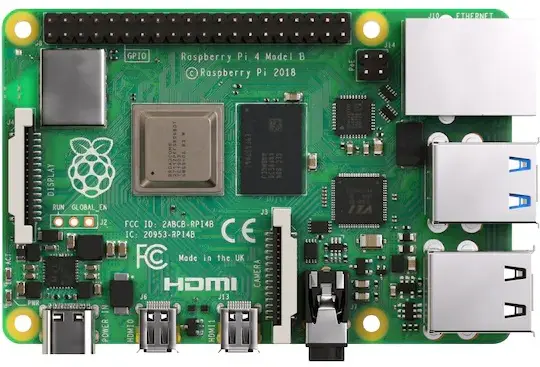
2. BeagleBone Black: The BeagleBone Black is a powerful and feature-rich single-board computer that is perfect for hobbyists. It can run various operating systems, including Linux, and can be used for many projects. It is also relatively inexpensive, making it an excellent choice for those on a budget.
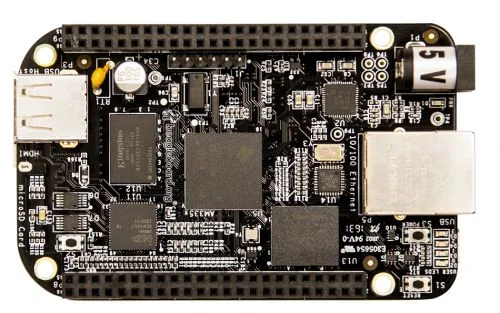
3. Arduino Yun: The Arduino Yun is a powerful and feature-rich microcontroller board that is perfect for hobbyists. It can run various operating systems, including Linux, and can be used for open-source and DIY projects. It is also relatively inexpensive, making it an excellent choice for those on a budget.
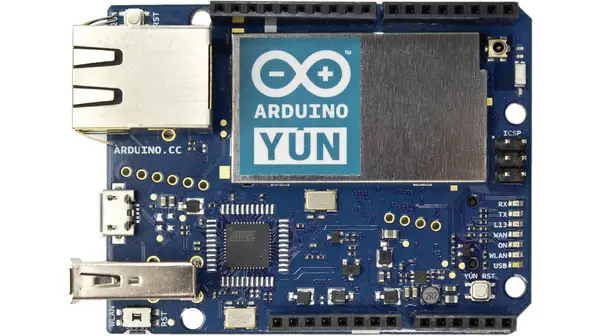
4. Particle Photon: The Particle Photon is a powerful and feature-rich microcontroller board that is perfect for hobbyists. It can run various operating systems, including Linux, and can be used for a wide range of projects. It is also relatively inexpensive, making it an excellent choice for those on a budget.
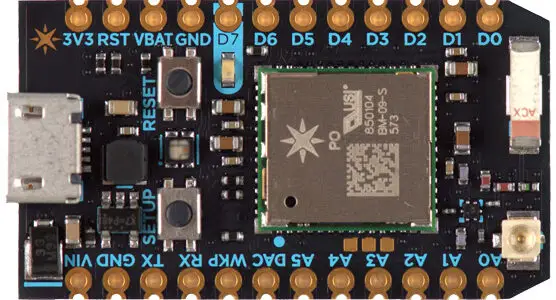
5. ESP8266: The ESP8266 is a powerful and feature-rich microcontroller board that is perfect for hobbyists. It can run various operating systems, including Linux, and can be used for many projects. It is also relatively inexpensive, making it an excellent choice for those on a budget.
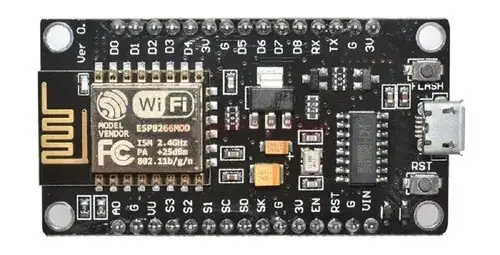
6. Banana Pi BPI-PicoW-S3: The Banana Pi BPI-PicoW-S3 is a low-powered microcontroller designed for IoT development and a Maker DIY board. It is designed with an ESP32-S3 chip, supports 2.4 GHz Wi-Fi and Bluetooth® LE dual-mode wireless communication, the peripheral is compatible with low-power hardware design, and the power consumption is only 10uA in deep sleep mode. In terms of programming, the BPI-PicoW-S3 supports ESP-IDF, Arduino, MicroPython, and other methods.
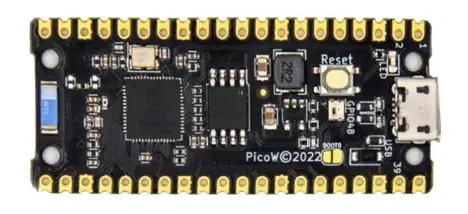
Banana Pi BPI-M4 Zero | |
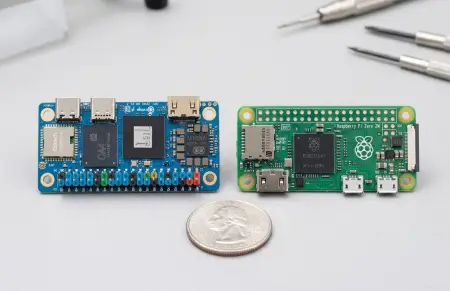
The new model that succeeds the M2 Zero. It has a huge improvement in performance. The SOC is upgraded to H618 and the CPU frequency is increased by 25%. The memory is upgraded to DDR4, the capacity is quadrupled, and 8G eMMC is added. It supports 5G Wi-Fi, and the USB interface has also been upgraded to type-C. It has the same form factor and 40-pin connector as the Raspberry Pi Zero W, and it will fit most Zero W cases and accessories. | |
Product Preview | 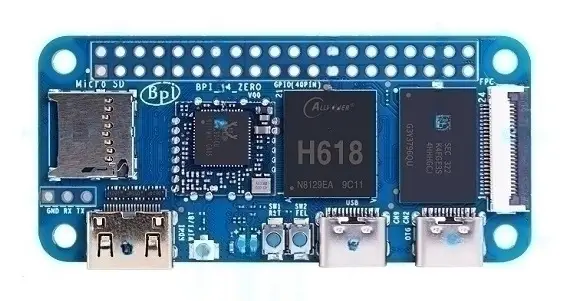 |
SoC | Allwinner H618, Quad-core ARM Cortex™-A53 processor |
GPU | ARM Mali G31 GPU |
RAM & Storage | • 2G LPDDR4 RAM • 8G eMMC flash memory |
Interfaces | • 1x USB2.0 Type-C OTG, 5V • 1x USB2.0 Type-C • 1x miniHDMI 2.0a • 1x 24-pin FPC connector • 1x Micro SD card interface • 1x USB2.0 • 1x 100Mbps Ethernet (using header pins) |
Wi-Fi/BT | |
Size | 65 × 30 mm |
Weight | ? |
Price | $ |
Purchase links | |
Orange Pi Zero 2W | |
Orange Pi Zero 2W: Orange Pi Zero 2W is equipped with a high-performance quad-core Cortex-A53 processor, Mali G31 MP2 graphics processor, and various memory options. It also has Wi-Fi, Bluetooth, and multiple expansion interfaces for further development. | |
Product Preview | 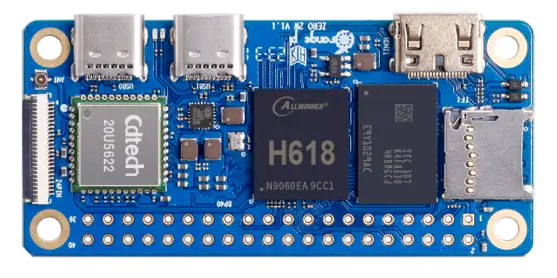 |
SoC | Allwinner H618, Quad-core ARM Cortex™-A53 processor |
GPU | ARM Mali G31 MP2 GPU |
RAM & Storage | • 1GB/1.5GB/2GB/4GB (optional) LPDDR4 RAM • SPI Flash: 16MB |
Interfaces | • 1x Mini HDMI TX 2.0 port supporting 4K@60FPS • 2x USB2.0 Type-C • 1x 24-pin FPC connector • 1x Micro SD card interface • 24-Pin expansion interface support: 2x USB2.0 100M Ethernet interface IR receiver interface audio output TV-out power button 2x user-defined buttons |
Wi-Fi/BT | |
Size | 30 X 65 X 1.2 mm |
Weight | 12.5g |
Price | $ |
Purchase links | |
Banana Pi BPI-M4 Berry | |
Featuring the powerful Allwinner H618, with 2GB of RAM and 8GB of onboard storage. It has a compact size like the Raspberry Pi 4, offering both convenience and power. Experience the endless possibilities with this state-of-the-art design! | |
Product Preview | 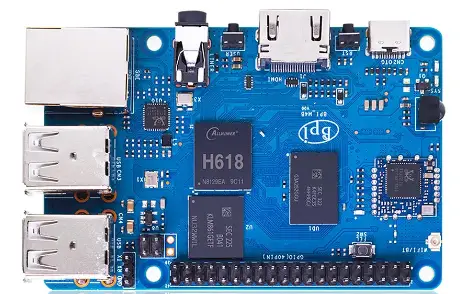 |
SoC | Allwinner H618 |
CPU | Quad-core ARM Cortex™-A53 processor |
GPU | ARM Mali G31 MP2 GPU |
RAM & Storage | • 2GB LPDDR4 RAM • 8G eMMC flash memory |
Video | full-size HDMI 2.0a (up to 4K@60Hz) |
Interfaces | • 1x USB2.0 Type-C OTG, 5V power supply • 1x MicroSD card slot • 4x USB2.0 Type-A • 1x 3.5 mm Audio & TVE jack socket • 4x USB2.0 Type-A HOST, 1x USB2.0 Type-C OTG • 1x GbE • 40Pin functional expansion interface |
Wi-Fi/BT | |
IR | |
Size | 85×56 mm |
Weight | 60g |
Price | $ |
Purchase links | |
Banana Pi BPI-M7 | |
Equipped with the powerful Rockchip RK3588, this device offers a range of storage options, including 8GB, 16GB, or 32GB, and RAM choices of 64GB or 128GB eMMC. Its impressive capabilities also extend to supporting Wi-Fi 6, 2×2.5G ports, 1x HDMI out, 2x USB3.0, 2x TYPE-C, 2x MIPI CSI interfaces, and 1x MIPI DSI interface. Additionally, it features a 1x M.2 KEY M interface, 40 PIN GPIO, and boasts compact dimensions of 92x62mm. | |
Product Preview | 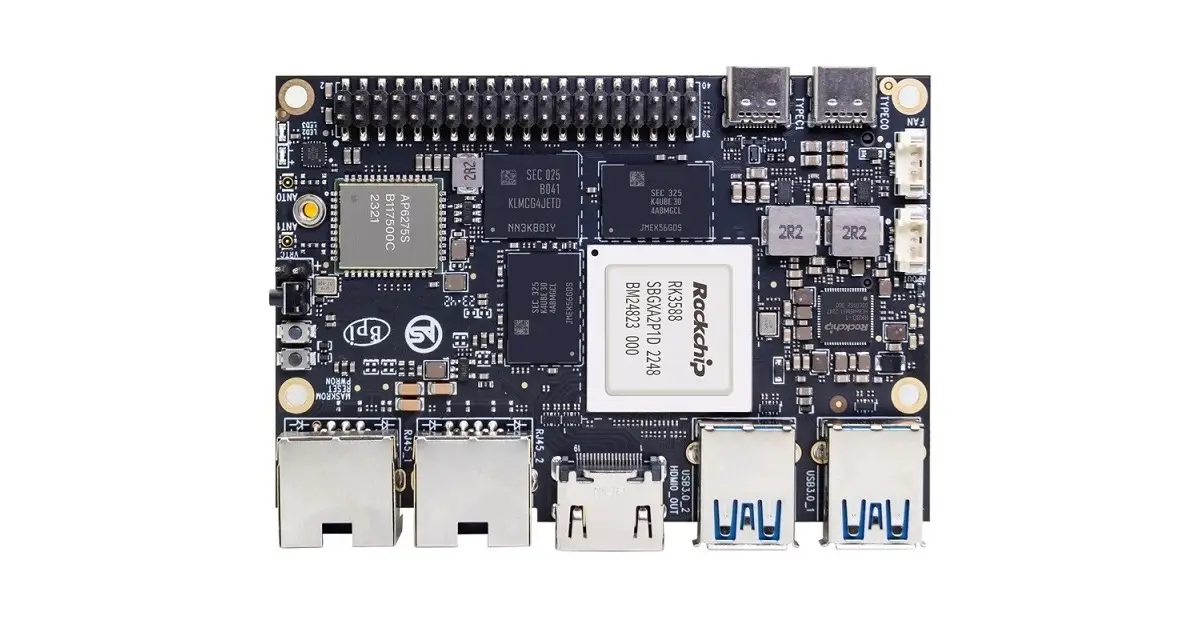 |
SoC | Rockchip RK3588 |
CPU | Quad A76 2.4Ghz + Quad A55 1.8Ghz |
GPU | Mali G610MC4 |
RAM & Storage | • 28/16/32GB (LPDDR4x) RAM • 64/128G eMMC options |
Video | • Triple display support (with HDR) One HDMI 2.1 up to 8K@60FPS • 1x USB-C with DP up to 8K@30FPS • 1x MIPI DSI up to 4K@60fps |
Other Interfaces | • 1x M.2 KEY M interface (Support PCIe 3.0 x4 NVMe SSD) • 2x 2.5G Ethernet • 2x USB 3.0 interface • 2x MIPI CSI camera interface • 40Pin functional expansion interface |
Wi-Fi/BT | Support Wi-Fi 6 and BT5.2 |
IR | |
Size | 92×62 mm |
Weight | ? |
Price | $ |
Purchase links | |
Orange Pi 3B | |
The Orange Pi 3B is powered by Rockchip RK3566 quad-core processor with advanced process, graphics processor with OpenGL ES support, AI accelerator, and VPU for video decoding and encoding. It has LPDDR4 RAM and eMMC module support. It also has various interfaces for different applications such as HDMI, LAN port, USB, headphone jack, camera port, and expansion port. Suitable for TV boxes, tablets, edge computing, face recognition, security, and smart home. | |
Product Preview | 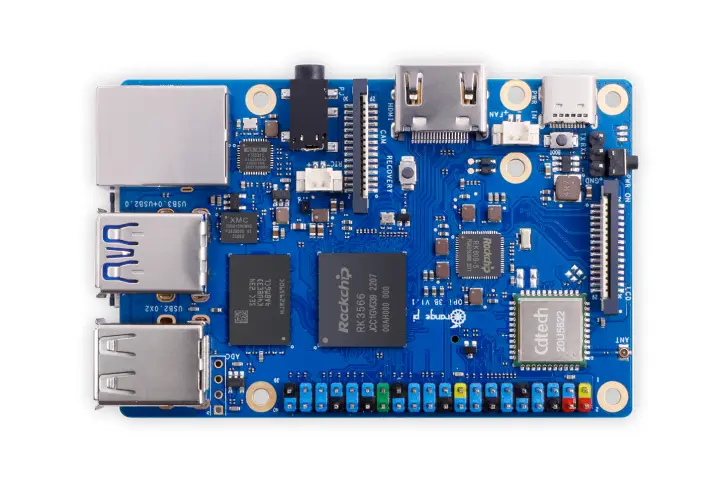 |
SoC | Rockchip RK3566 |
CPU | Quad-core 64-bit Cortex-A55 processor, 22nm process, up to 1.8GHz |
GPU | ARM Mali G52 2EE GPU |
PMU | RockChip RK809-5 |
NPU | RKNN NPU AI accelerator with 0.8Tops@INT8 |
RAM & Storage | • 2/4/8GB (LPDDR4x) RAM • SPI Flash: 16MB/32MB • eMMC module:16GB/32GB/64GB/128GB/256GB |
Video | • 1* HDMI TX 2.0 , up to 4K@60fps • 1*MIPI DSI 2 lane • eDP1.3 |
Other Interfaces | • 1x M.2 KEY M interface (Support PCIe 3.0 x4 NVMe SSD) • 1x 1GbE • 2x USB 2.0 HOST • 1x USB 3.0 HOST • 2x MIPI CSI camera interface • 40Pin functional expansion interface |
Wi-Fi/BT | |
Size | 85 x 56 x 17 mm |
Weight | 49g |
Price | $ |
Purchase links | |
Orange Pi Zero2 | |
The Orange Pi Zero2 is equipped with the powerful Allwinner H616 SoC and comes with 512MB or 1GB of DDR3 SDRAM. With a range of ports, including HDMI output, 26-pin headers, a Gbps Ethernet port, and three USB 2.0 ports, it offers great connectivity options. Powered by Type-C, it is an ideal choice for applications that demand exceptional networking performance. | |
Product Preview | 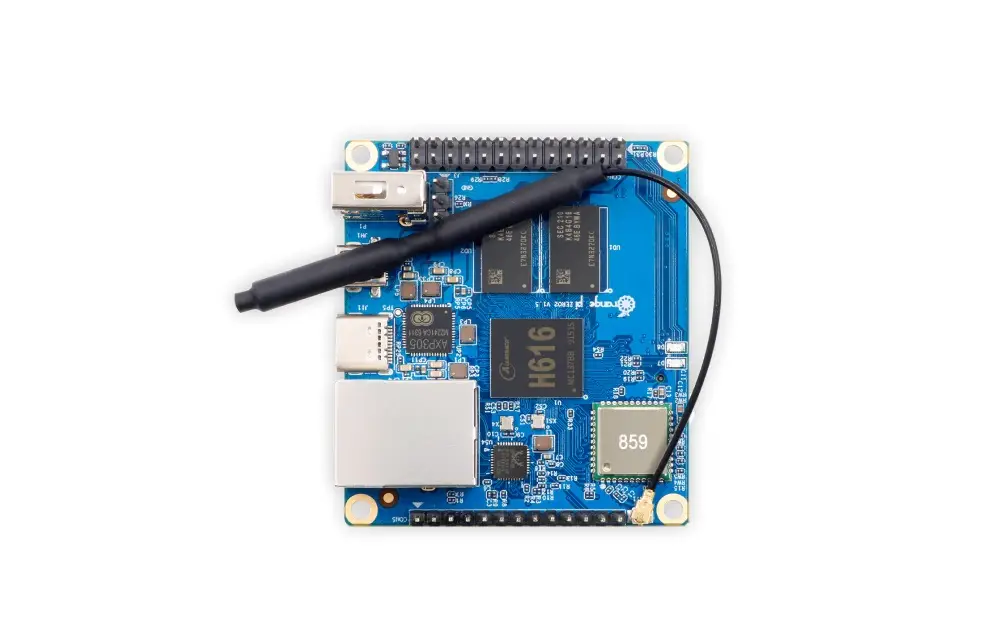 |
SoC | Allwinner H616 |
CPU | Quad-core 64-bit Cortex-A53 processor |
GPU | Mali G31 MP2 |
RAM & Storage | • 512MB/1GB DDR3 (Shared with GPU) • TF card slot • 2MB SPI Flash |
Video | • Micro HDMI 2.0a up to 4K@60fps • TV CVBS output, Support PAL/NTSC(Via 13-pin interface board) |
Other Interfaces | • 1x 3.5 mm audio port (Via 13pin interface board) • 1x Debug serial port • 3x USB 2.0 HOST • 26pin header with I2C, SPI, UART and multiple GPIO ports • 13pin header with 2*USB Host, IR pin, Tv-out、AUDIO (no MIC) and 3 GPIO ports. |
Wi-Fi/BT | |
Size | 53 x 60 mm |
Weight | 30g |
Price | $ |
Purchase links | |
Orange Pi Zero3 | |
Powered by Allwinner H618 quad-core Cortex-A53 processor, Arm Mali-G31 MP2 GPU, supports various graphics and video formats, with different memory options. Supports 4K display via Micro-HDMI output. Can be extended with additional functions through expansion ports, enriching the motherboard interface. | |
Product Preview | 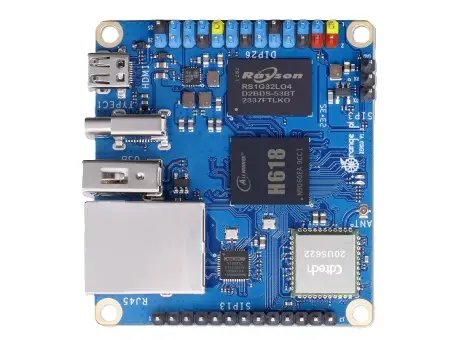 |
SoC | Allwinner H618 |
CPU | Quad-core 64-bit Cortex-A53 processor |
GPU | Mali G31 MP2 |
RAM & Storage | • 1GB/1.5GB/2GB/4GB DDR4 (Shared with GPU) • TF card slot • 16 MB SPI Flash |
Video | • Micro HDMI 2.0a up to 4K@60fps • TV CVBS output, Support PAL/NTSC(Via 13-pin interface board) |
Other Interfaces | • 1x 3.5 mm audio port (Via 13pin interface board) • 1x Debug serial port • 3x USB 2.0 HOST • 26pin header with I2C, SPI, UART and multiple GPIO ports • 13pin header with 2*USB Host, IR pin, Tv-out、AUDIO (no MIC) and 3 GPIO ports. |
Wi-Fi/BT | |
Size | 50 x 55 mm |
Weight | 30g |
Price | $ |
Purchase links | |
Exploring the Benefits of Using an Alternative to Arduino
The world of electronics and robotics will be drastically different from what it is today. As technology continues to evolve, so will the tools and components used to create and program these devices. The Arduino platform is one of the most popular tools in electronics and robotics. As technology advances, alternative hardware platforms offer more features and capabilities than the Arduino platform.
The Arduino platform is an open-source electronics platform used to create interactive electronic objects. It is a popular choice for hobbyists and professionals alike due to its ease of use and wide range of features. However, the Arduino platform is limited in its capabilities and unsuitable for more complex projects.
An alternative to the Arduino platform is the Raspberry Pi platform. The Raspberry Pi is a more robust and versatile hardware platform than the Arduino platform. It is a single-board computer that can create many projects, from simple robots to complex home automation systems. The Raspberry Pi platform is also more affordable than the Arduino platform, making it an excellent choice for those on a budget.
The Raspberry Pi platform also offers more features than the Arduino platform. It has a wide range of input and output ports, allowing for more complex projects. It also has a powerful processor and a wide range of software packages, making it easier to program and debug projects. Additionally, the Raspberry Pi platform is more secure than the Arduino platform, making it an excellent choice for projects that require a high level of security.
In conclusion, the Raspberry Pi platform is an exceptional choice over the Arduino platform in 2023 and the years to come. Despite its higher cost, it surpasses the Arduino platform in terms of functionality, affordability, and security. The Raspberry Pi platform is the perfect fit for individuals seeking a robust and adaptable platform for their projects.
Comparing the Features of the Best Arduino Alternatives
As technology continues to evolve, so do the options for microcontroller boards. Arduino has long been the go-to choice for many hobbyists and professionals alike, but several alternatives now offer a range of features and capabilities. This article will compare the features of the best Arduino alternatives in 2023.
The first alternative to consider is the Raspberry Pi. This board is a powerful and versatile single-board computer that can be used for various projects. It has many features, including a 1.4GHz 64-bit quad-core processor, 4GB of RAM, and a range of ports and connectors. It also has various software options, including the popular Raspbian operating system.
The second alternative is the BeagleBone Black. This board is a powerful and versatile single-board computer designed for embedded applications. It has a 1GHz ARM Cortex-A8 processor, 512MB of RAM, and a range of ports and connectors. It also has various software options, including the popular Debian operating system.
The third alternative is the Arduino Due. This board is a powerful and versatile microcontroller board designed for embedded applications. It has an 84MHz ARM Cortex-M3 processor, 512KB of RAM, and a range of ports and connectors. It also has various software options, including the popular Arduino IDE.
Finally, the fourth alternative is the ESP32. This board is a powerful and versatile microcontroller board designed for wireless applications. It has a 240MHz dual-core processor, 4MB of RAM, and a range of ports and connectors. It also has a range of software options, including the popular ESP-IDF.
Each of these boards has unique features and capabilities, and each has advantages and disadvantages. Ultimately, the best board for any given project will depend on the specific requirements and goals of the project. However, by comparing the features of the best Arduino alternatives in 2023, it is possible to make an informed decision about which board is best suited for a particular project.
How to Choose the Right Arduino Alternative for Your Project
As technology evolves, so do the options for creating innovative and creative projects. Arduino is a popular choice for many, but several alternatives now offer a range of features and capabilities. When choosing the suitable Arduino alternative for your project in 2023, there are a few key factors to consider.
First, consider the type of project you are working on. Different Arduino alternatives offer different levels of functionality and features, so selecting one suitable for your project is essential. For example, if you are working on a project requiring a lot of memory, you may want to look for an alternative that offers more memory than the standard Arduino.
Furthermore, it is important to take into account the financial aspect. The cost can vary greatly, spanning from incredibly reasonable to exceptionally high. Therefore, it is crucial to carefully evaluate your budget while choosing the perfect option for your project.
Third, consider the level of support available. Different Arduino alternatives offer different levels of support, so it is crucial to select one that provides the level of support you need. This could include tutorials, forums, and other resources to help you get started.
Finally, consider the level of compatibility. Different Arduino alternatives may be compatible with different types of hardware and software, so it is essential to select one compatible with the hardware and software you are using.
By considering these factors, you can ensure that you select the right Arduino alternative for your project in 2023. With the right choice, you can create a functional and cost-effective project.
The Pros and Cons of Using an Arduino Alternative
Considering alternatives to Arduino can be a worthwhile option for individuals seeking to develop projects that utilize a microcontroller. Although Arduino is a widely favored option for numerous projects, opting for an alternative comes with its own set of advantages and disadvantages.
Pros
The first advantage of using an Arduino alternative is the cost. Many Arduino alternatives are cheaper than the original Arduino, making them a more affordable option for those on a budget. Additionally, some Arduino alternatives may offer more features than the original Arduino board, such as more memory or a faster processor. This can be beneficial for those looking to create more complex projects.
Another advantage of using an Arduino alternative is that it can be more accessible. Many Arduino alternatives are designed to be more user-friendly, making them easier to learn and use. This can be beneficial for those who are new to microcontroller programming.
Cons
One of the main disadvantages of using an Arduino alternative in 2023 is compatibility. Many Arduino alternatives are incompatible with the original Arduino, meaning that projects created with other boards may not be able to be used with the original Arduino. Additionally, some Arduino alternatives may not be compatible with specific shields or other components, making them less versatile than the original Arduino.
Another disadvantage of using an Arduino alternative is that it may not be as reliable as the original Arduino. While some Arduino alternatives may offer more features than the original Arduino, they may not be as reliable or durable. This can be a problem for those looking to create projects that require a dedicated microcontroller.
Overall, using an Arduino alternative may be a viable option for those looking to create projects requiring a microcontroller. While there are some advantages and disadvantages to using a choice, it is essential to consider all factors before making a decision.
Conclusion
To wrap things up, the top Arduino alternatives for the upcoming year of 2023 consist of the Raspberry Pi, BeagleBone Black, ESP8266, and ESP32. Additionally, the Banana Pi and Orange Pi boards emerge as highly economical options. These exceptional boards showcase an array of distinctive functionalities and potentials, rendering them exceptionally suitable for diverse open source ventures.
The Raspberry Pi is known for its popularity and versatility, although it may not be the most cost-effective option. On the other hand, the BeagleBone Black stands out as the most powerful. The ESP8266 and ESP32 are ideal for low-power projects and their popularity is rapidly growing. With these boards, one can easily venture into the world of embedded electronics, and their popularity is predicted to continue rising in the years to come, including 2024.