
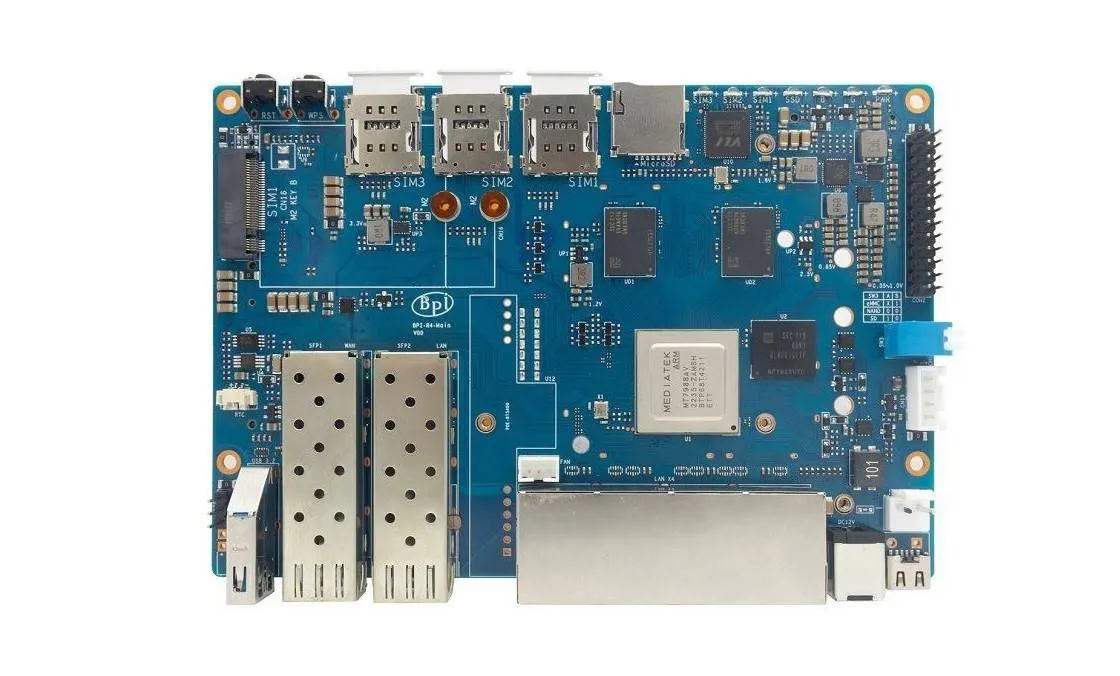
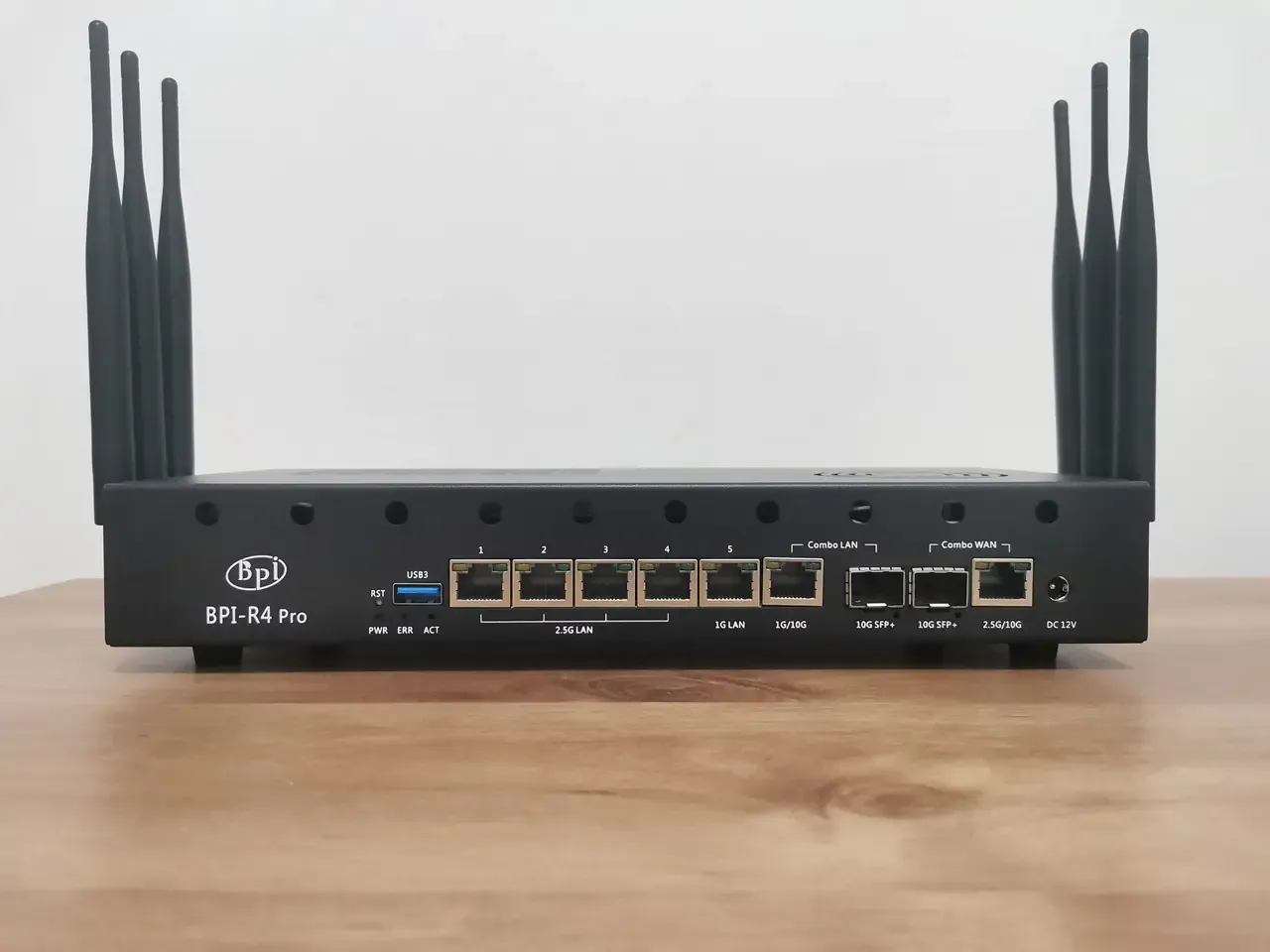
Banana Pi R4 Metal Case (Recommended optional accessory)
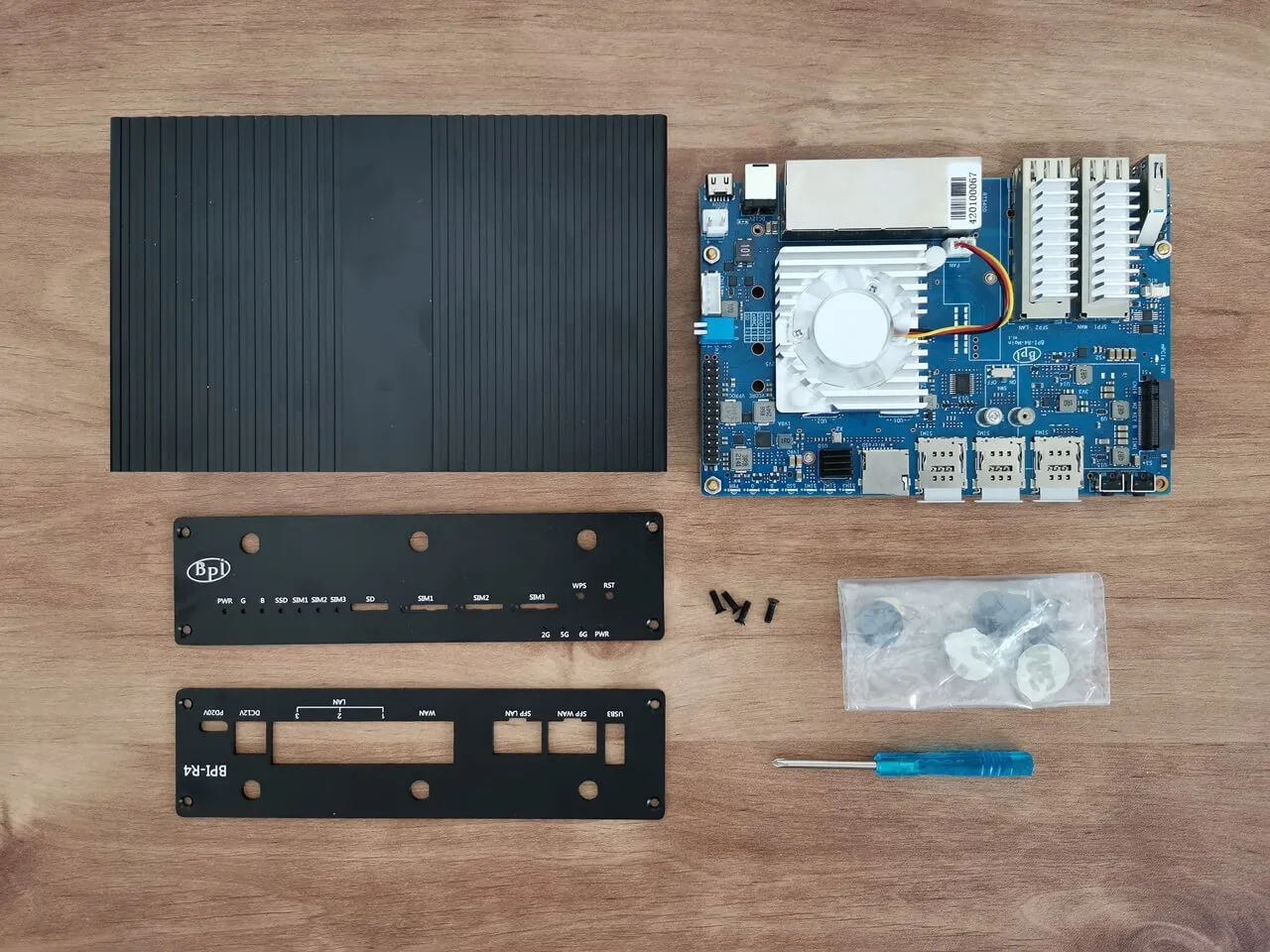
Contrary to sheet metal bending manufacturing, the case is crafted and manufactured from profiles to provide extra stiffness. The case is composed of four separate parts reinforced together with Philips screws. There are several advantages to this design. For example, drilling holes in the case to pass wires is much easier than drilling in a bent sheet metal part. This method causes less deformation and helps the case parts to maintain their shape.
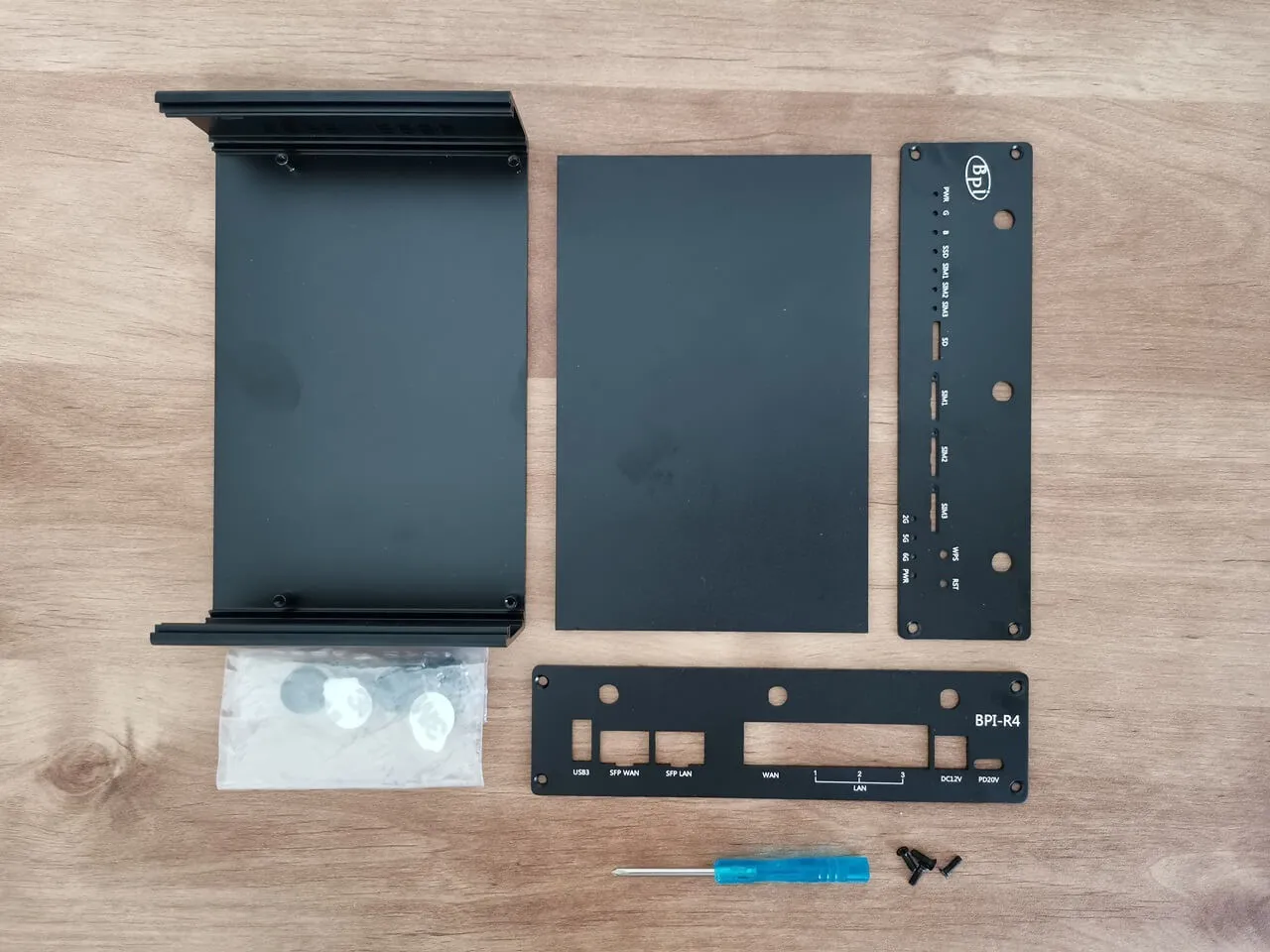
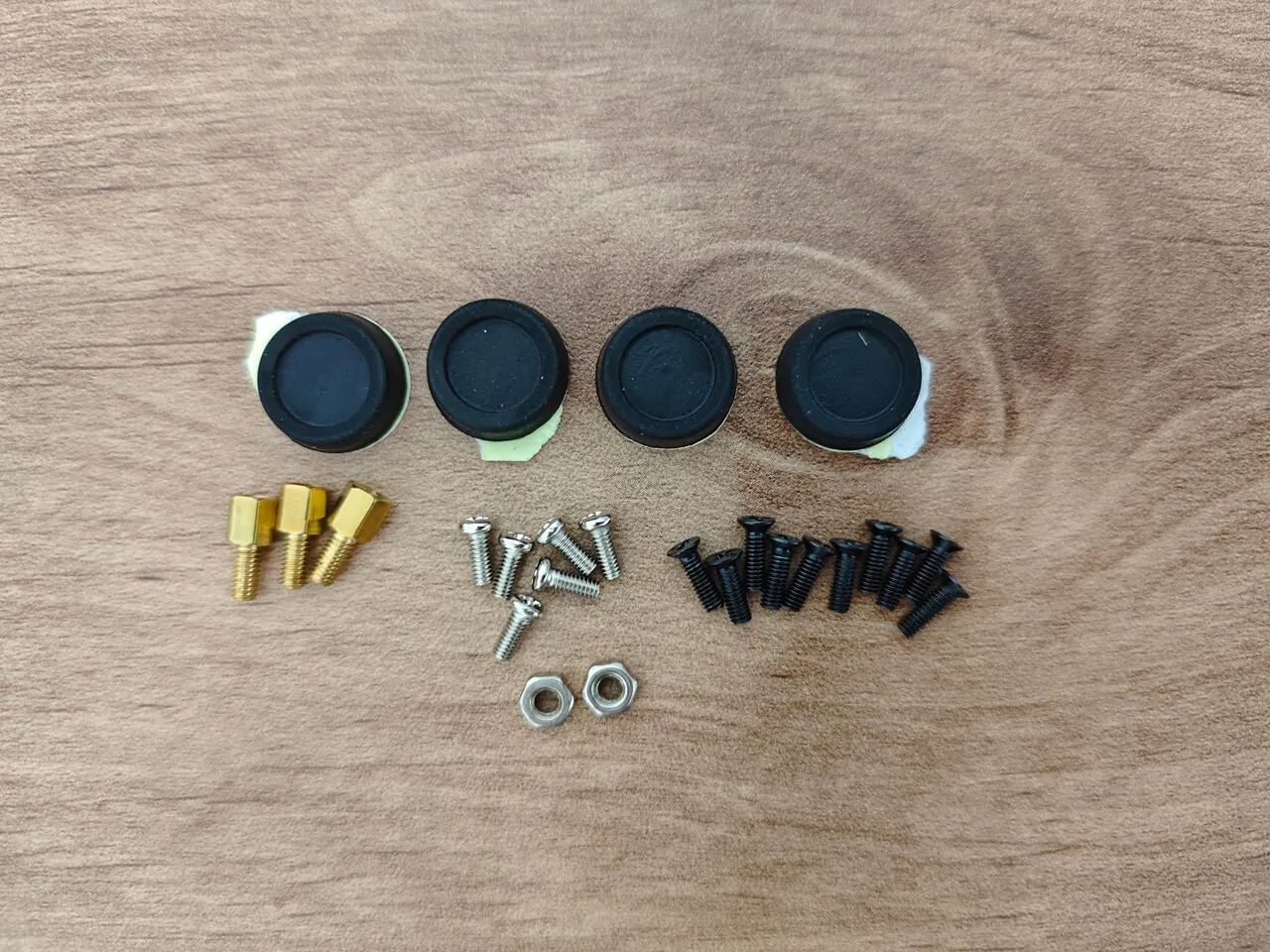
Package Contents:
- 4x Rubber legs.
- 11x Philips screws (For the case parts).
- 6x Philip screws (For R4 board mounting).
- 3x Brass Hexagonal Stud (Male female threaded hexagon).
- 2x Hex nuts.
- 1x Upper cover
- 1x Mounting Base.
- 1x Front plate panel.
- 1x Rear plate panel
Banana Pi R4 Metal Case (All Parts)
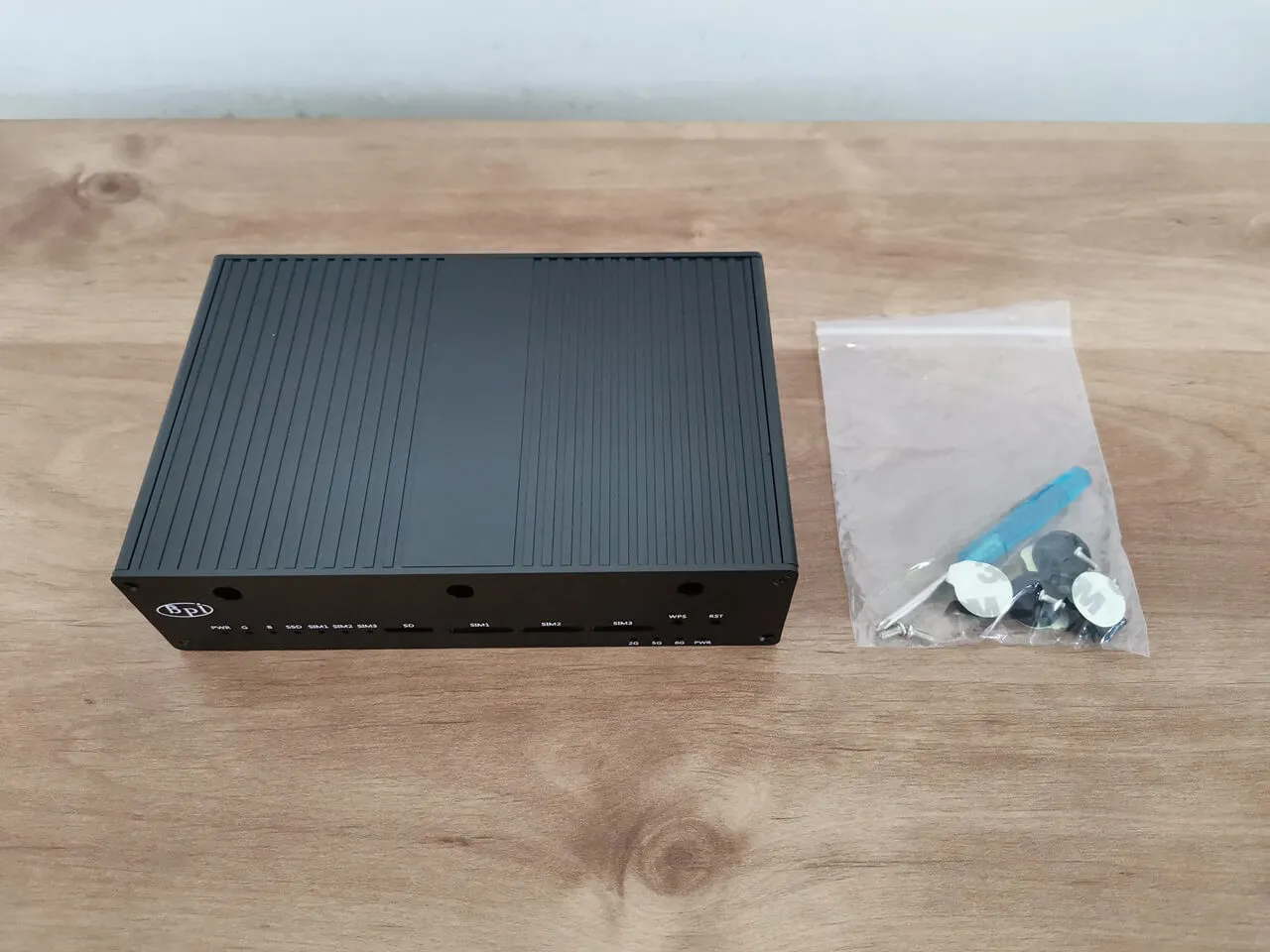
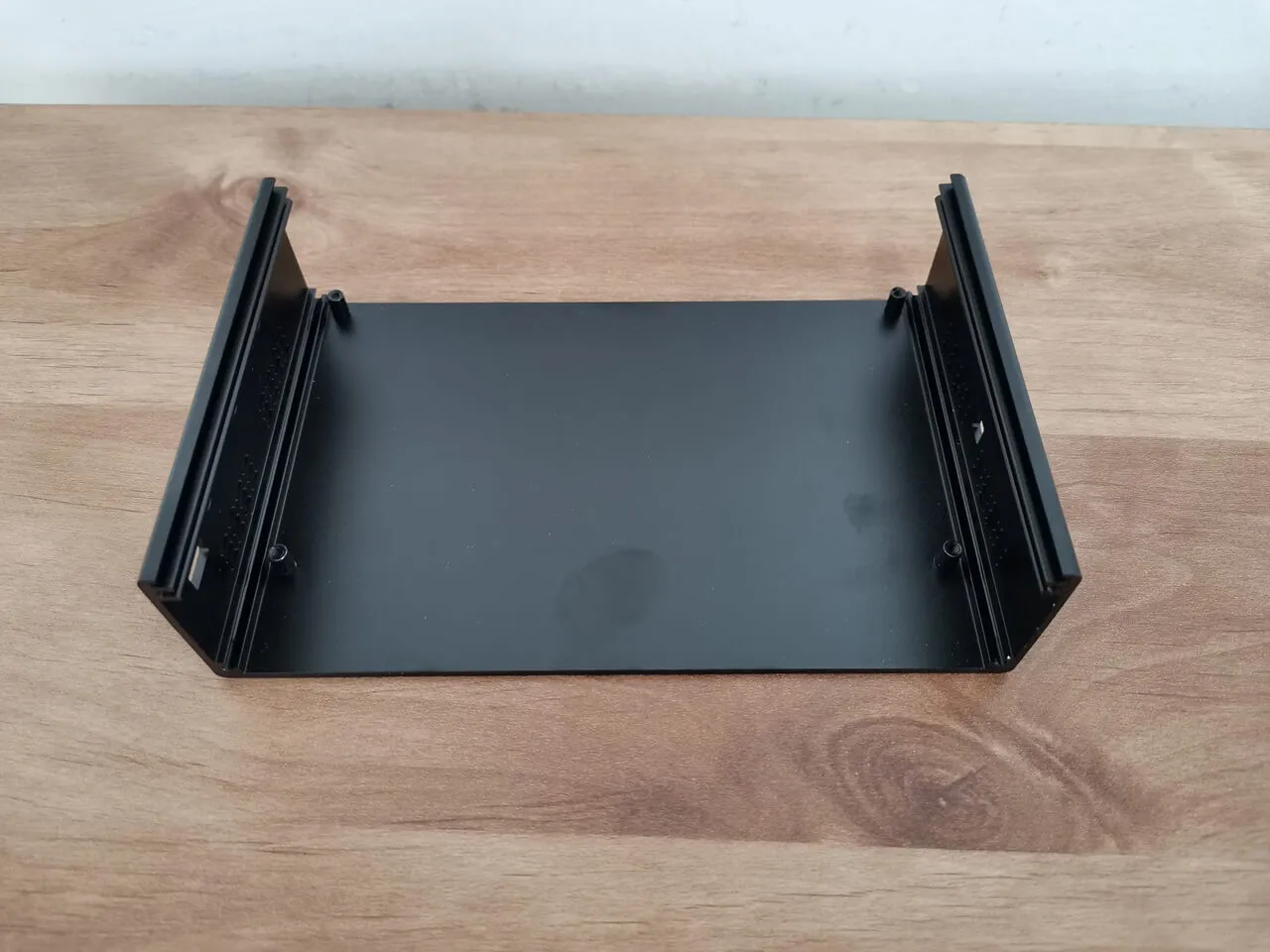
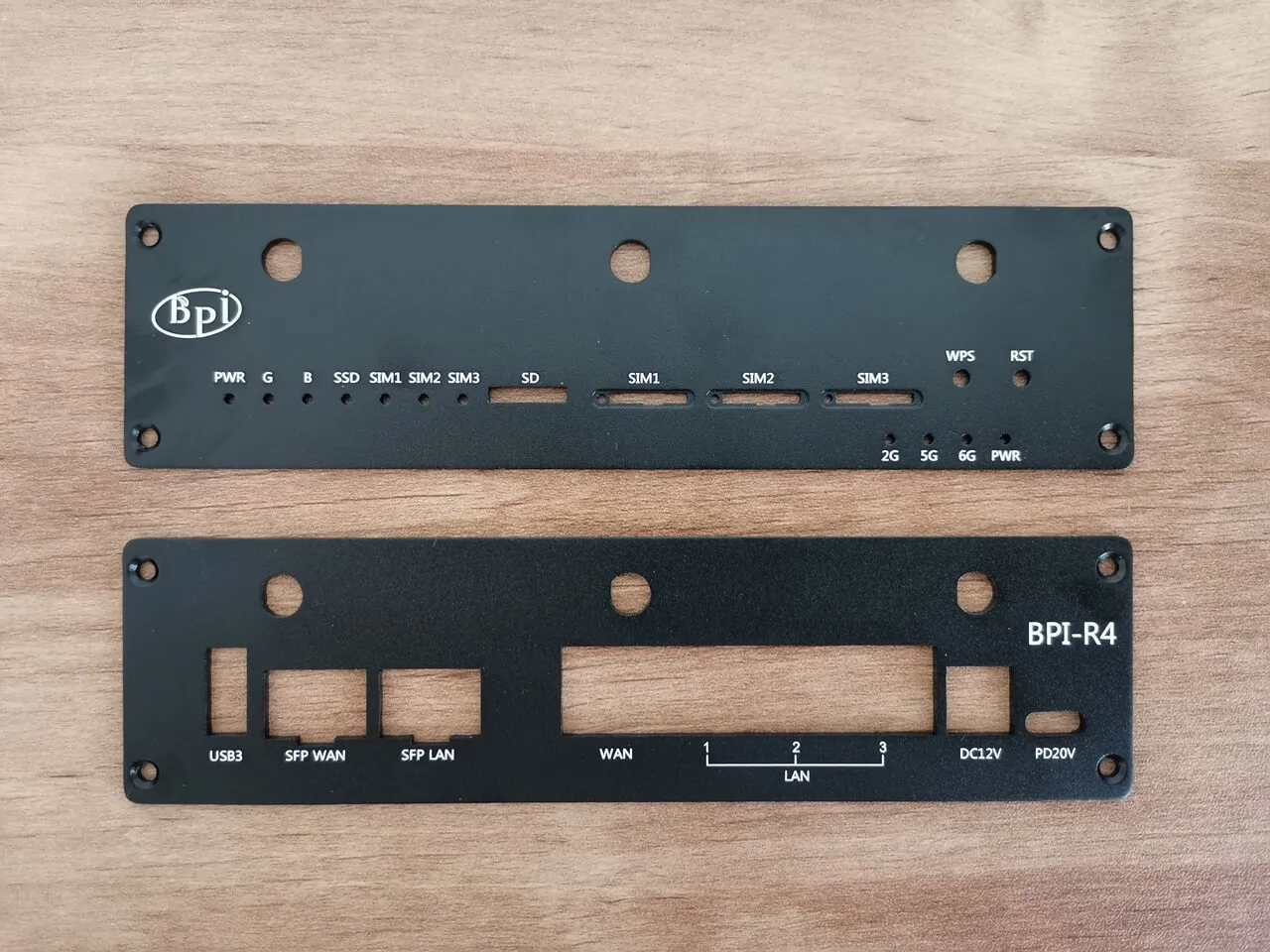
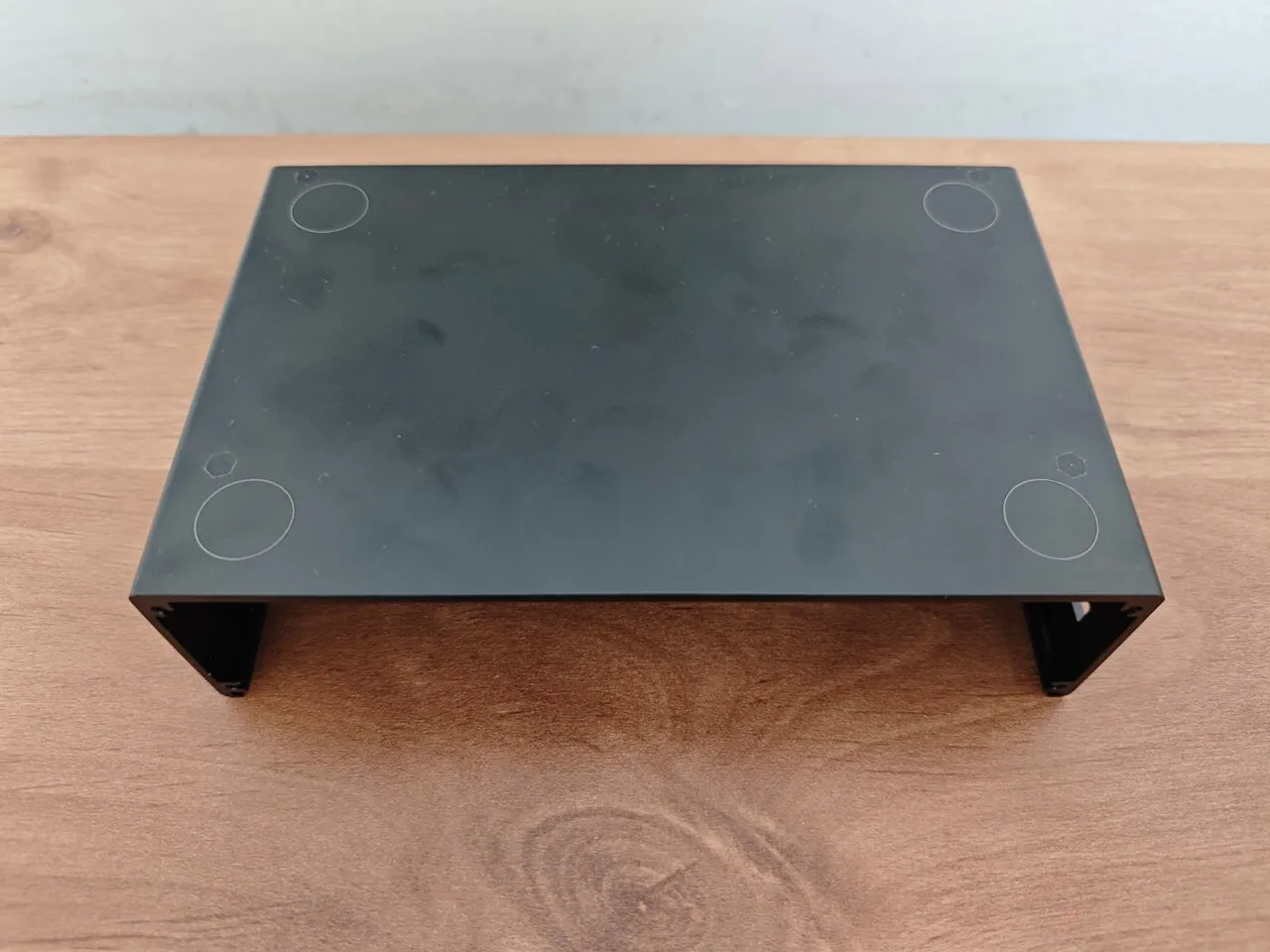
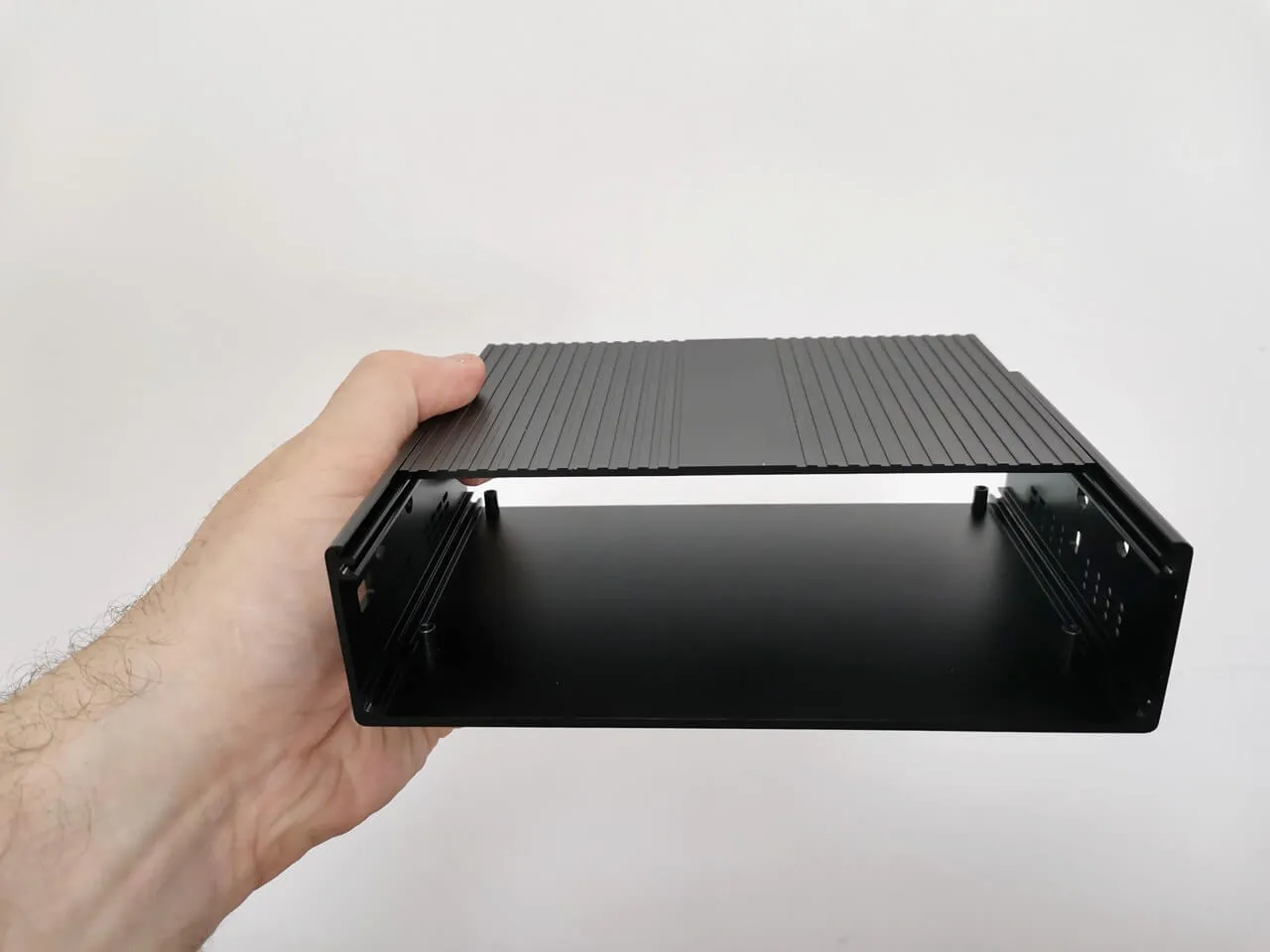
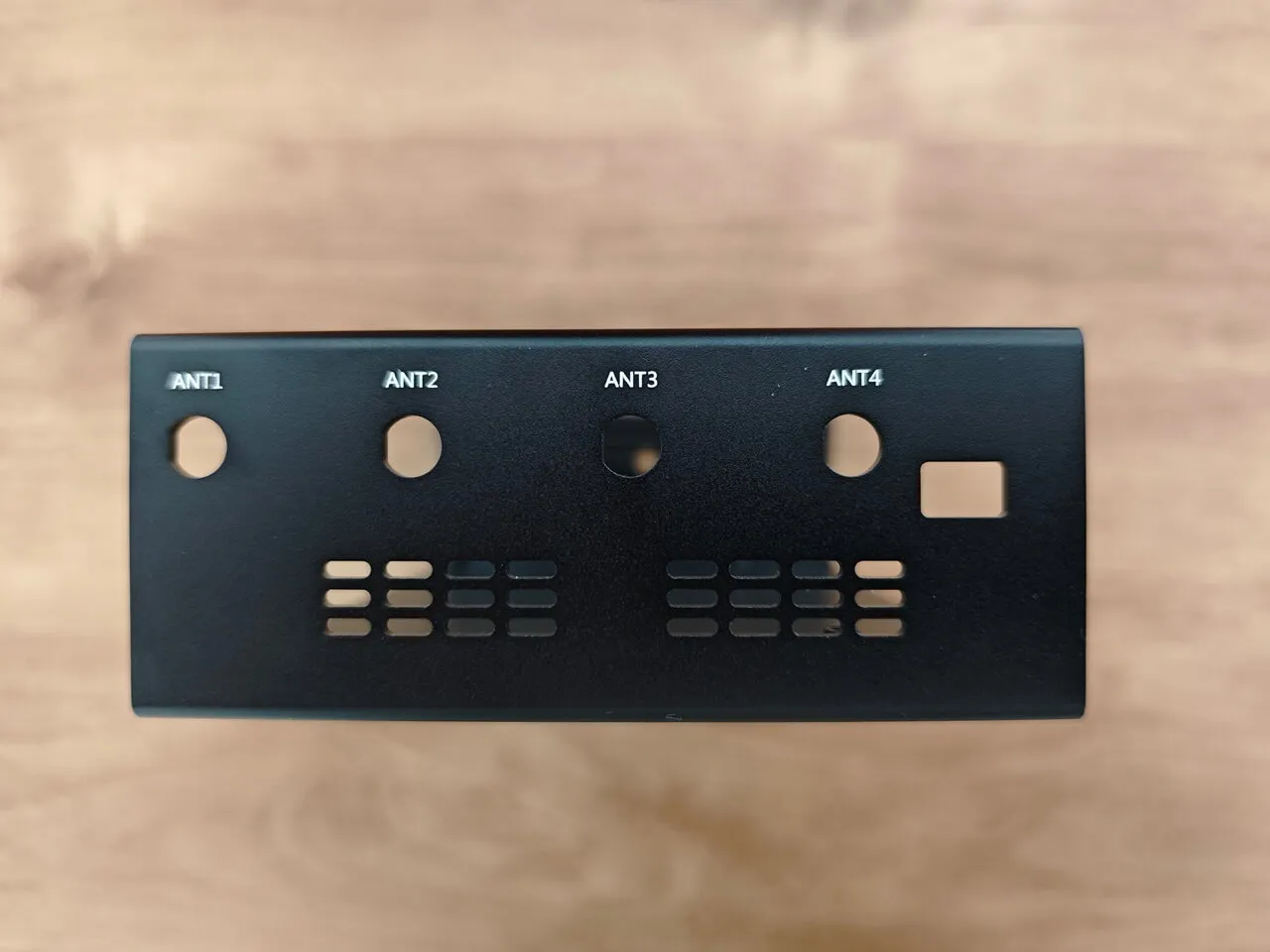
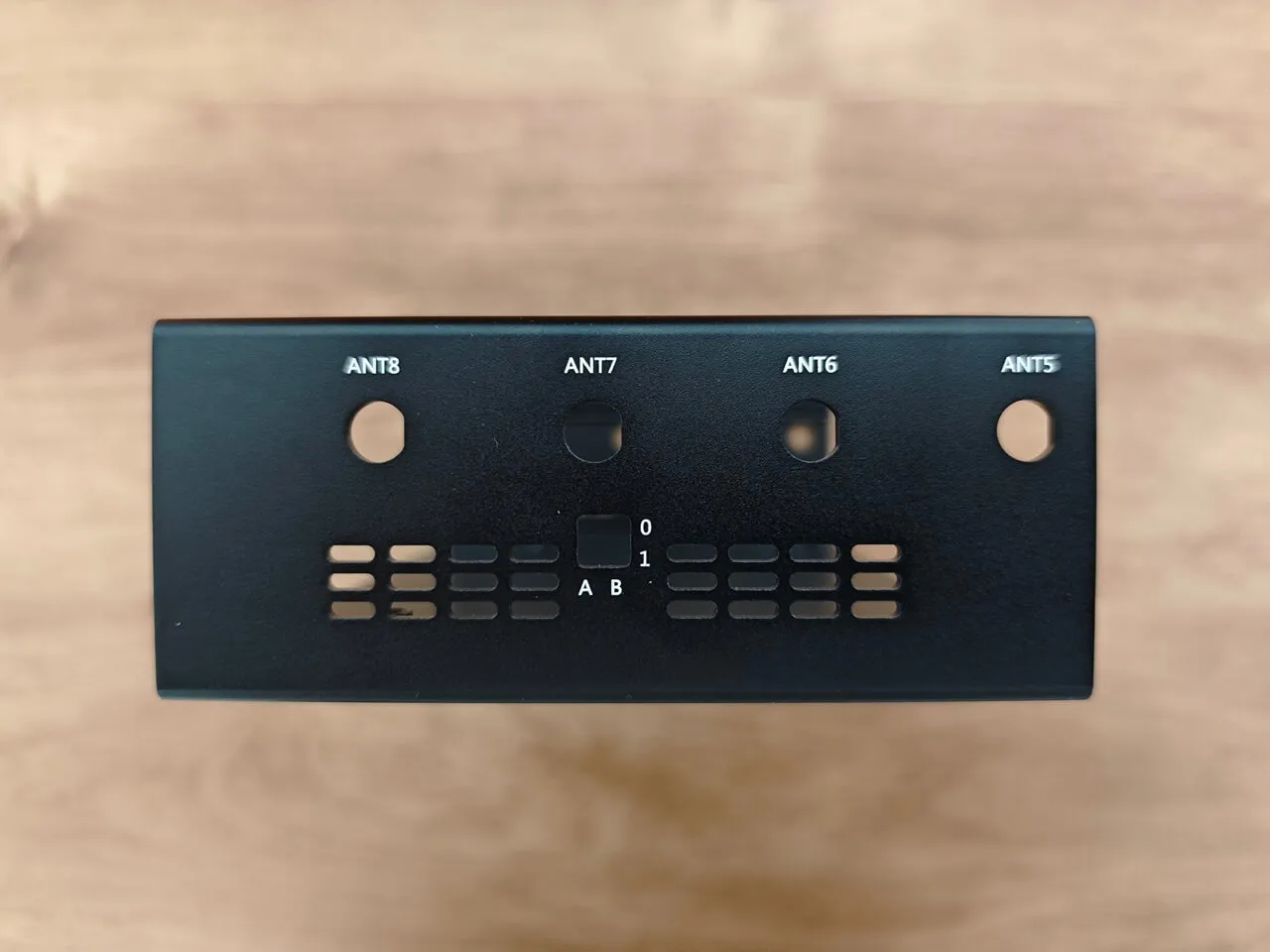
Assembling the case parts
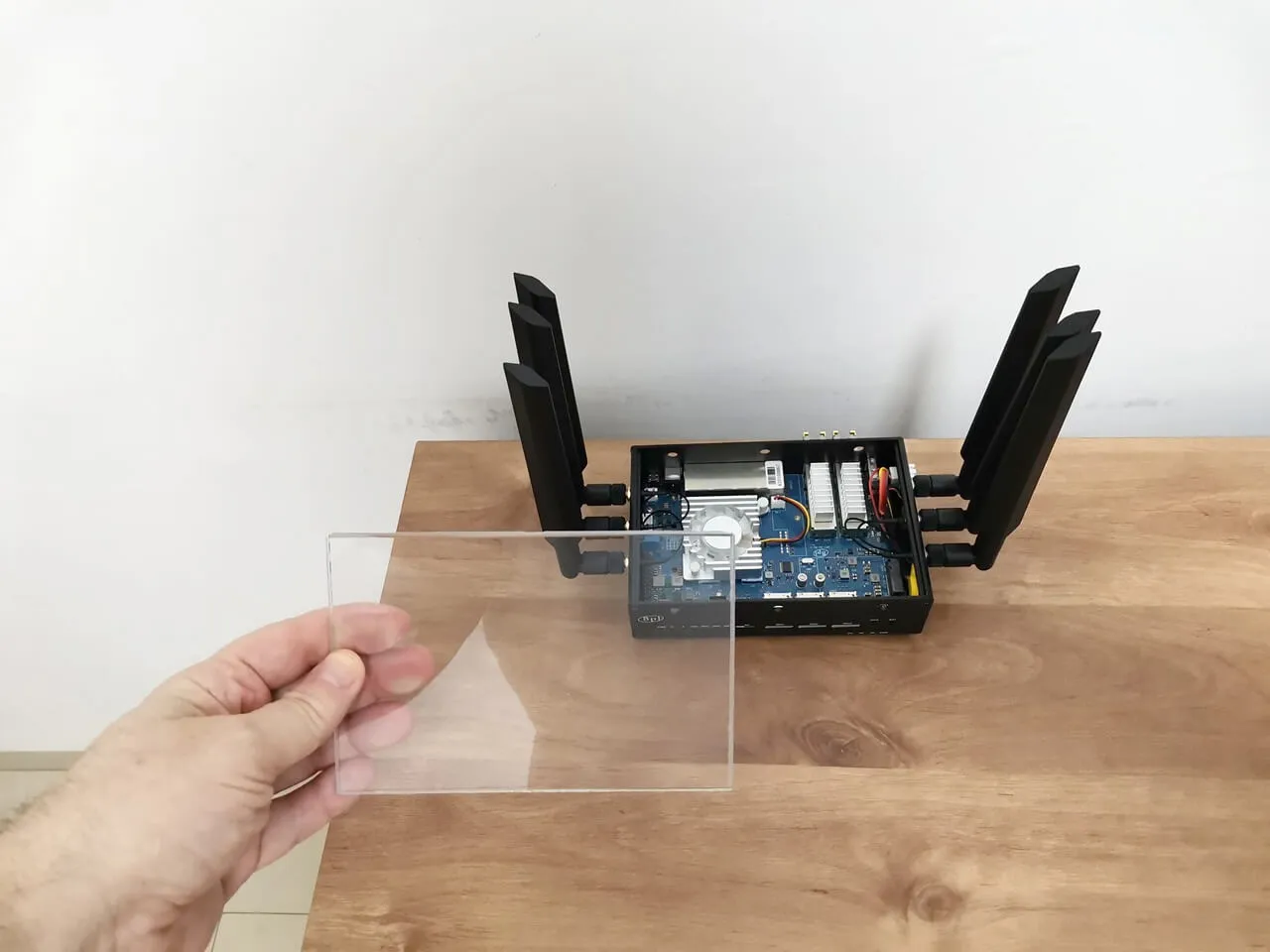
The upper cover of the case is assembled through a sliding assembly without any screws and can be opened at any time. If you need to pass extra external wires by drilling or cutting through it, this is the best option. You also have plenty of space to easily place heat sinks on both SFP+ cages, allowing for efficient cooling and optimal performance.
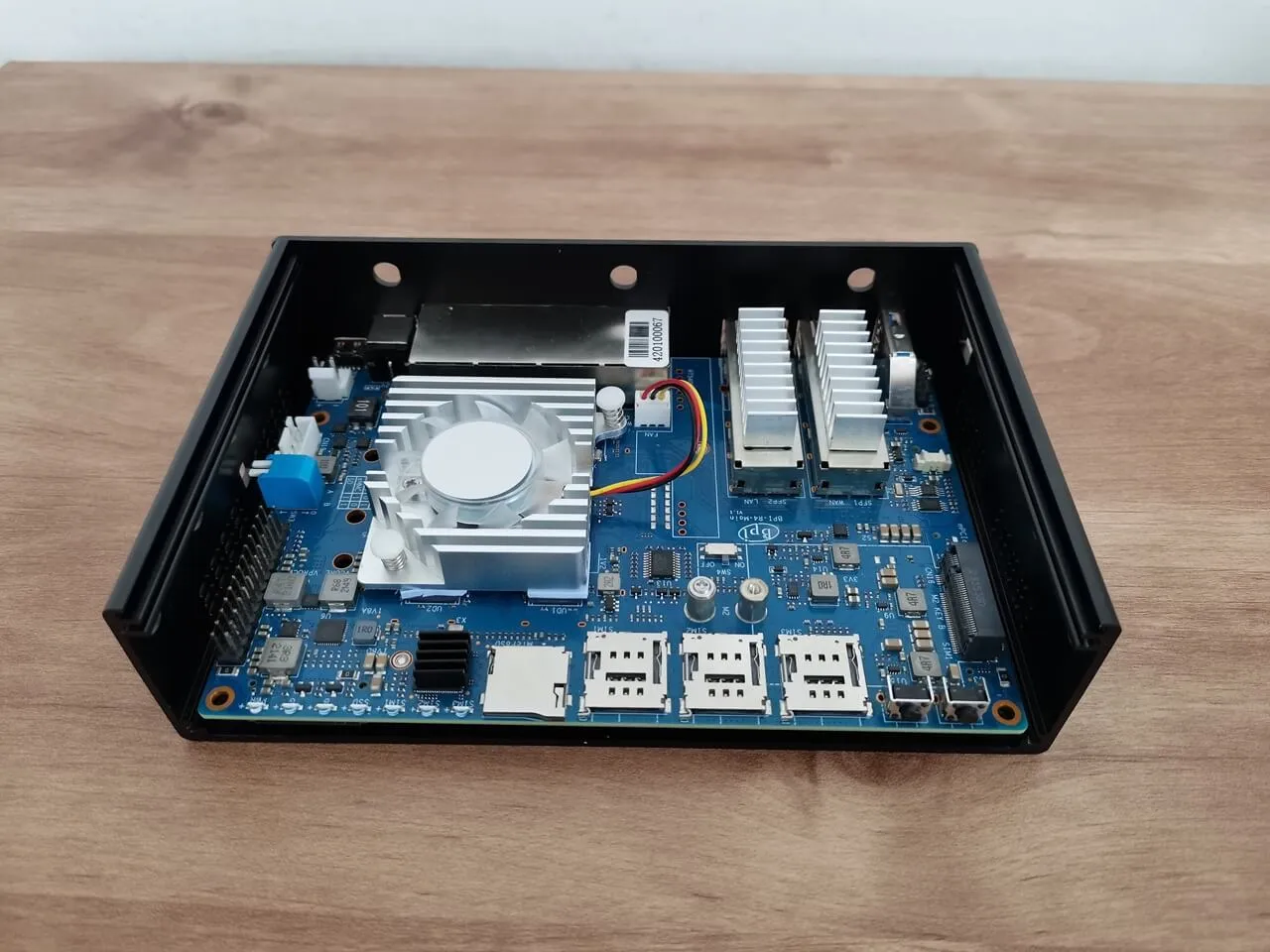
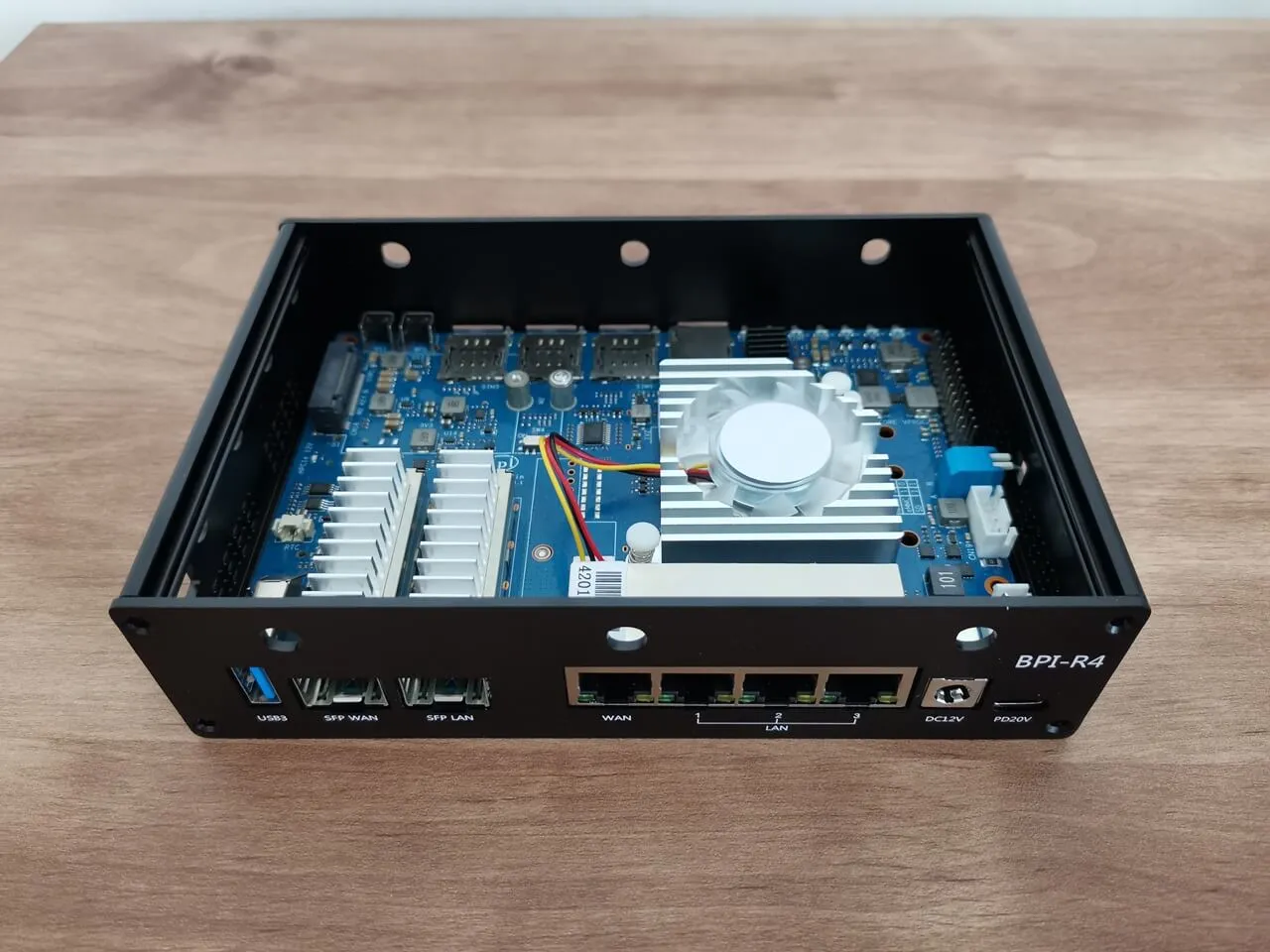
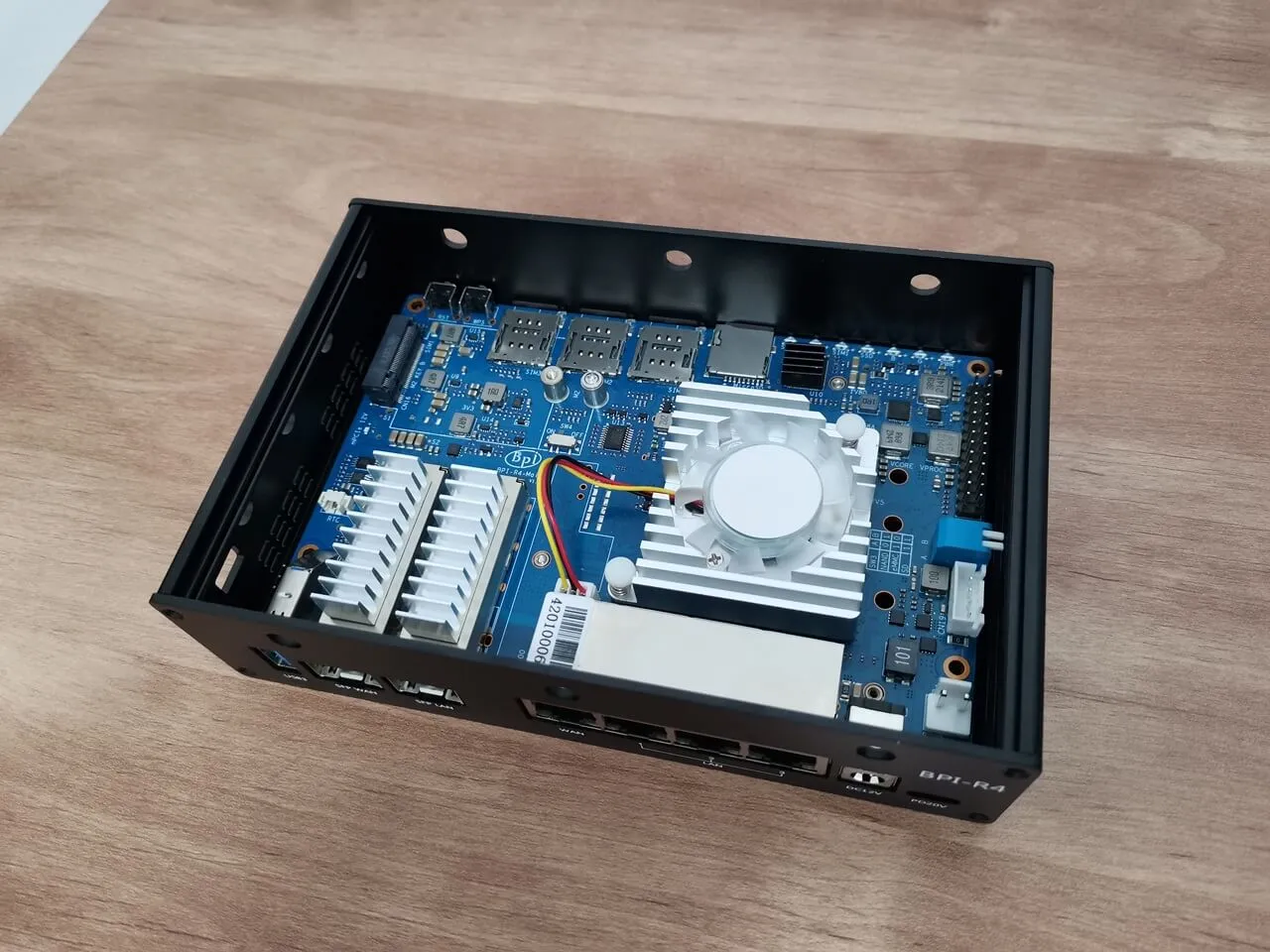
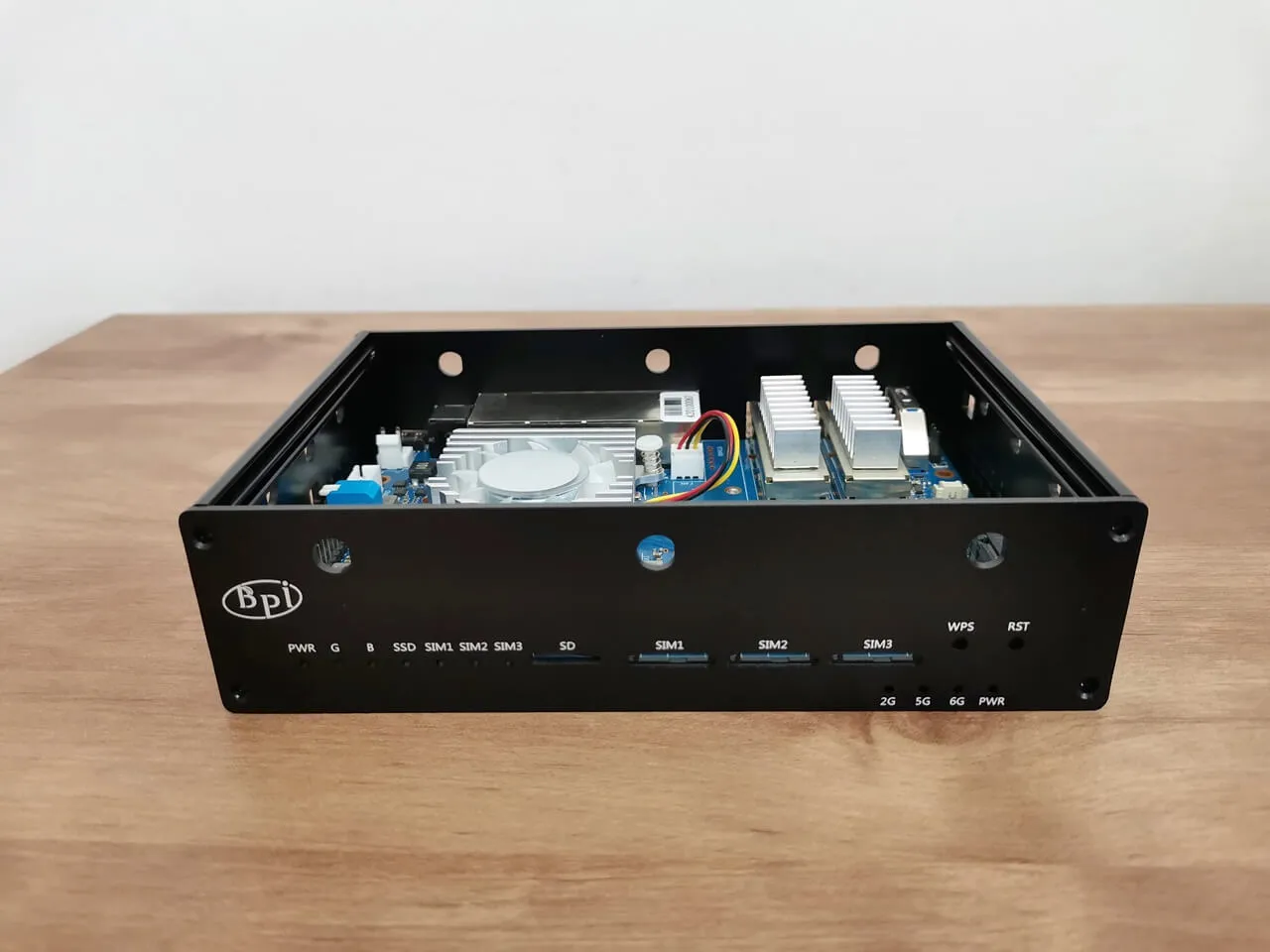
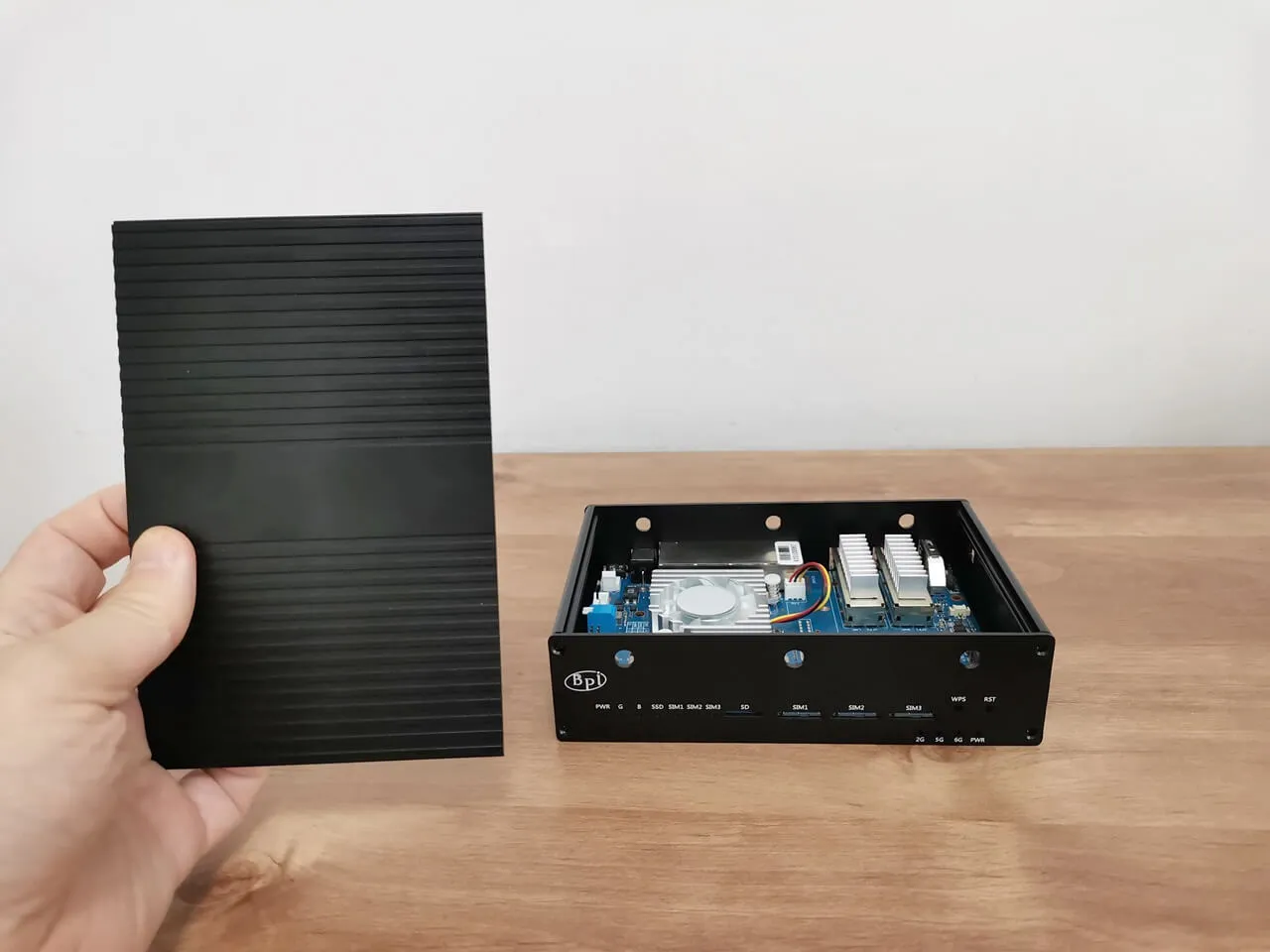
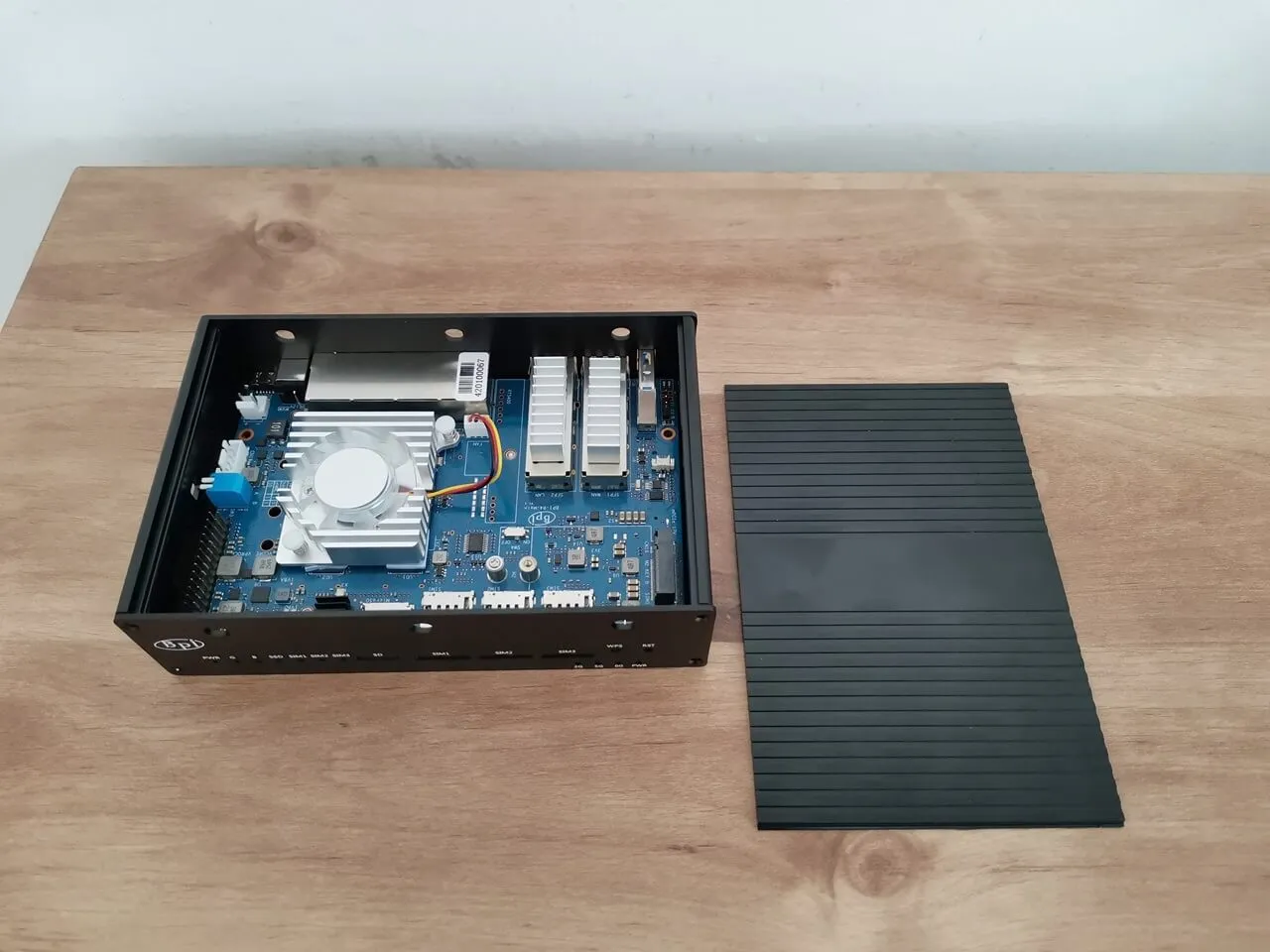
Replacing and customizing the R4 Metal Case upper cover
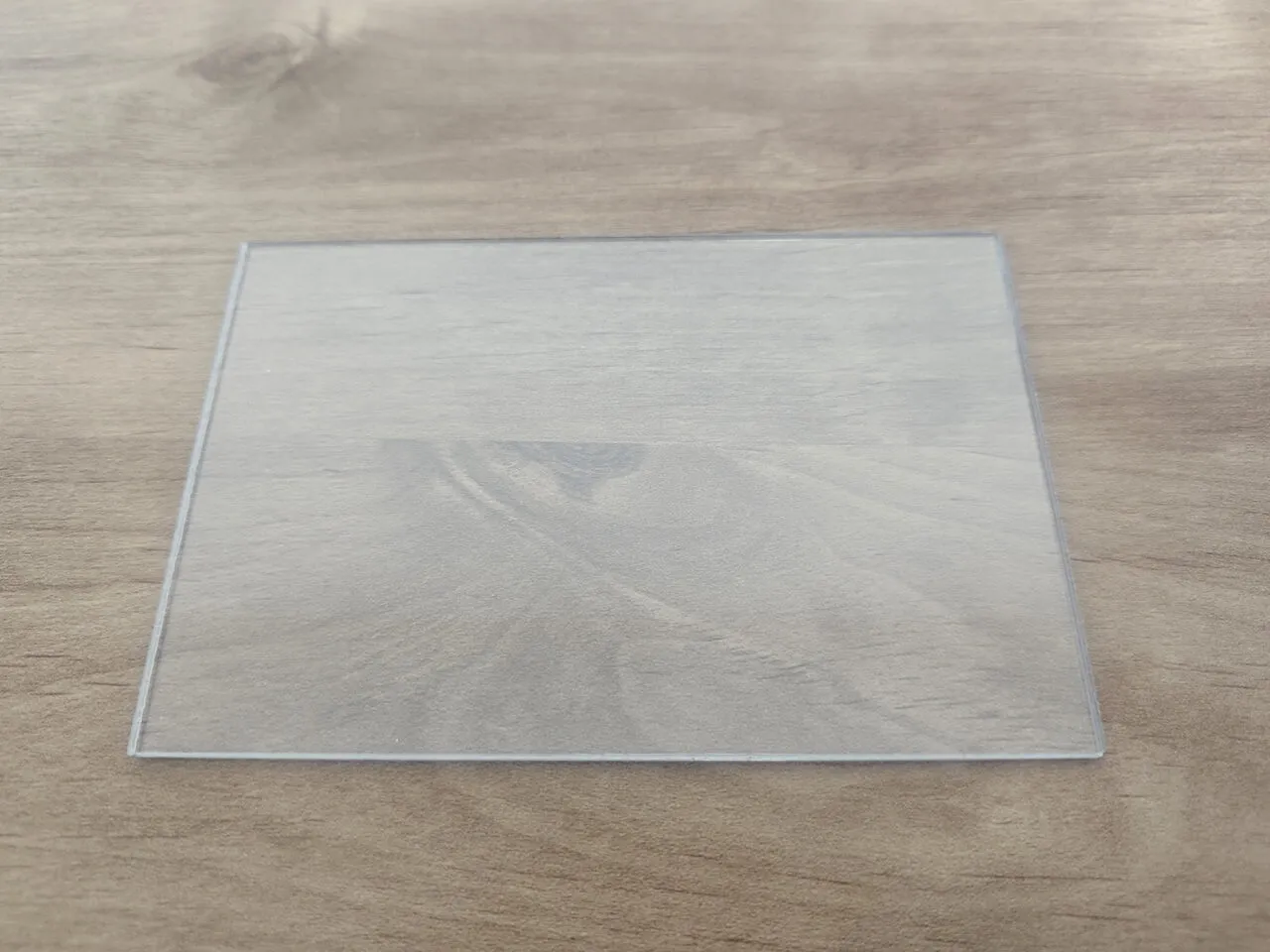
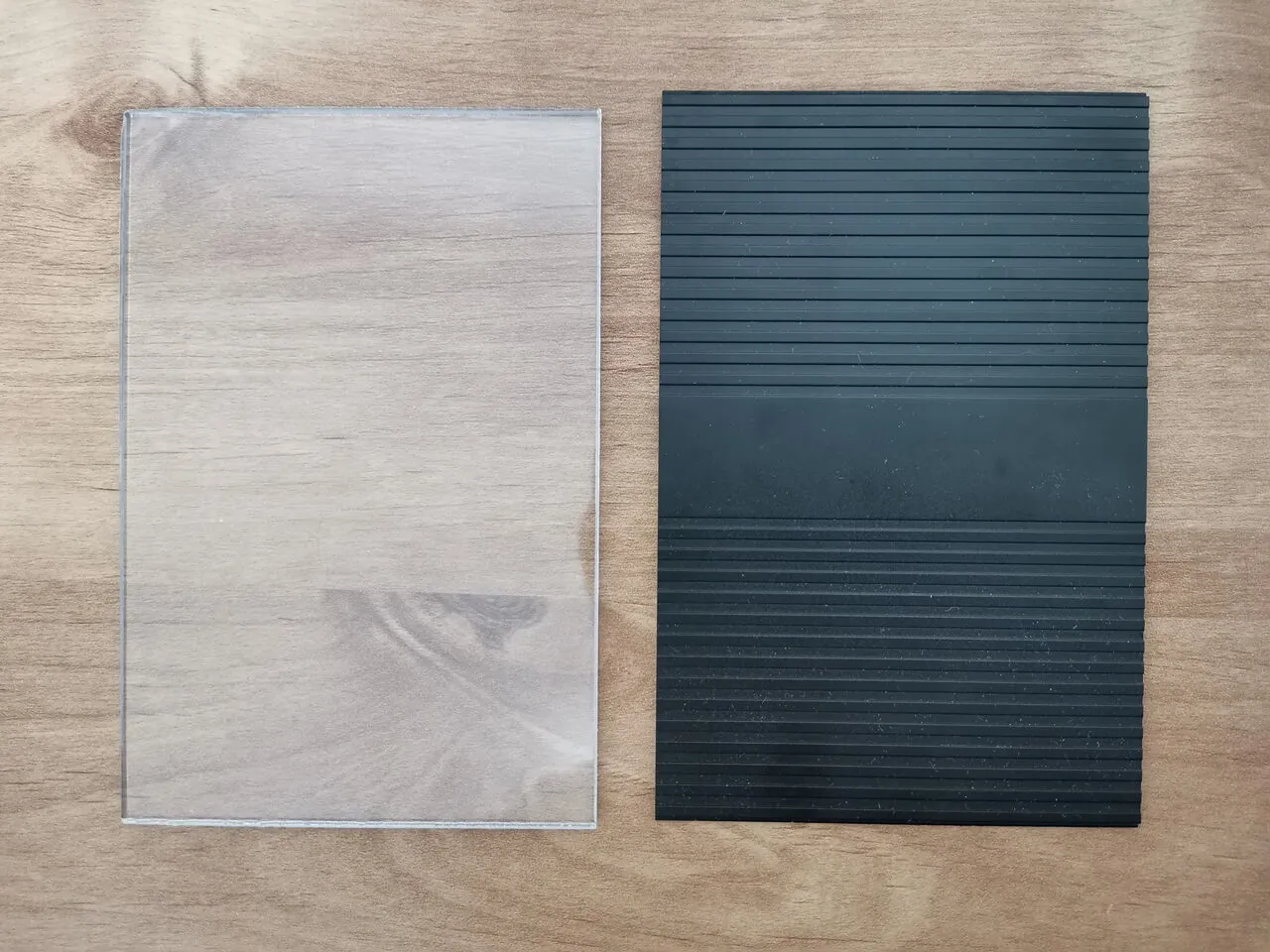
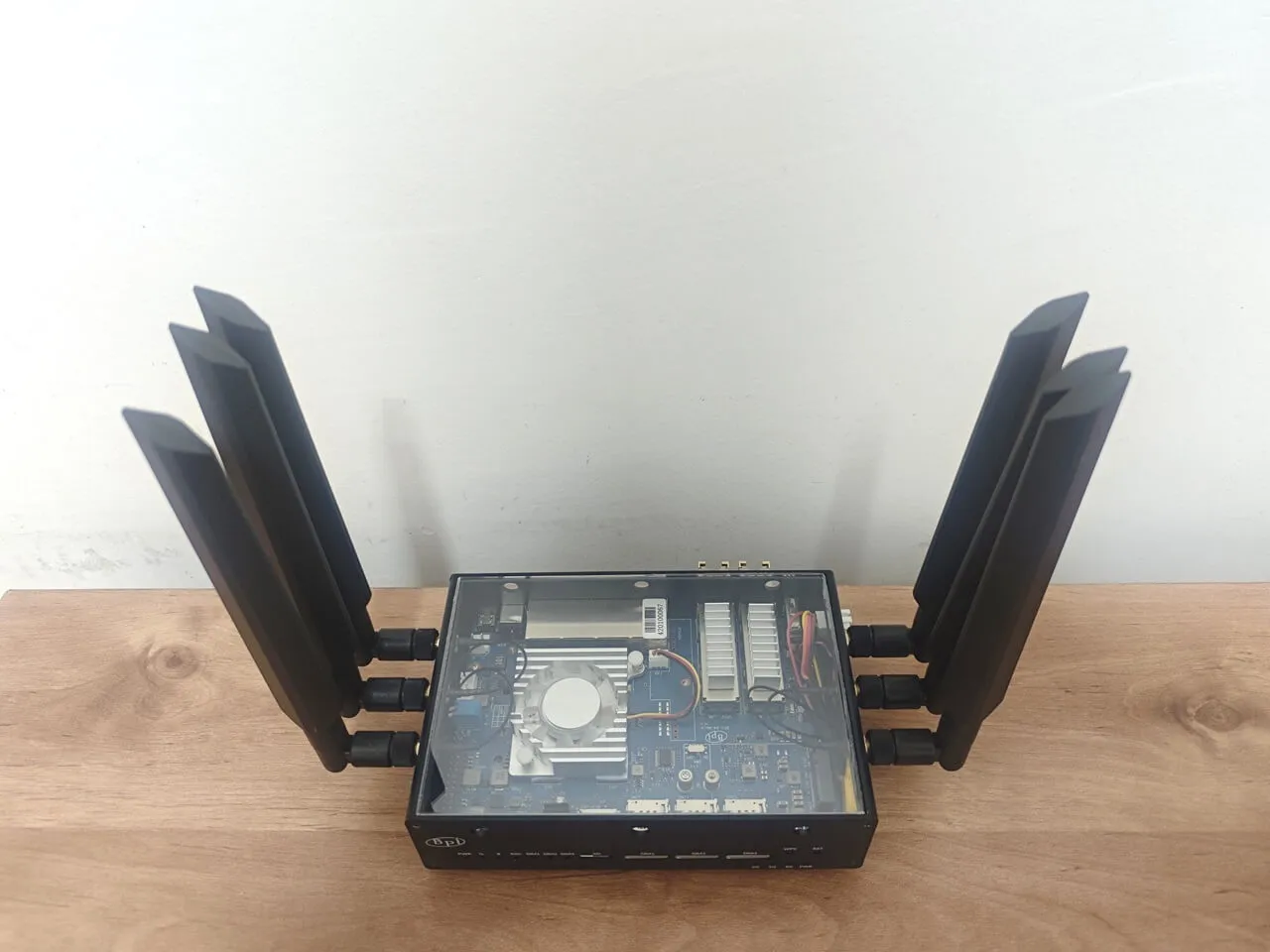
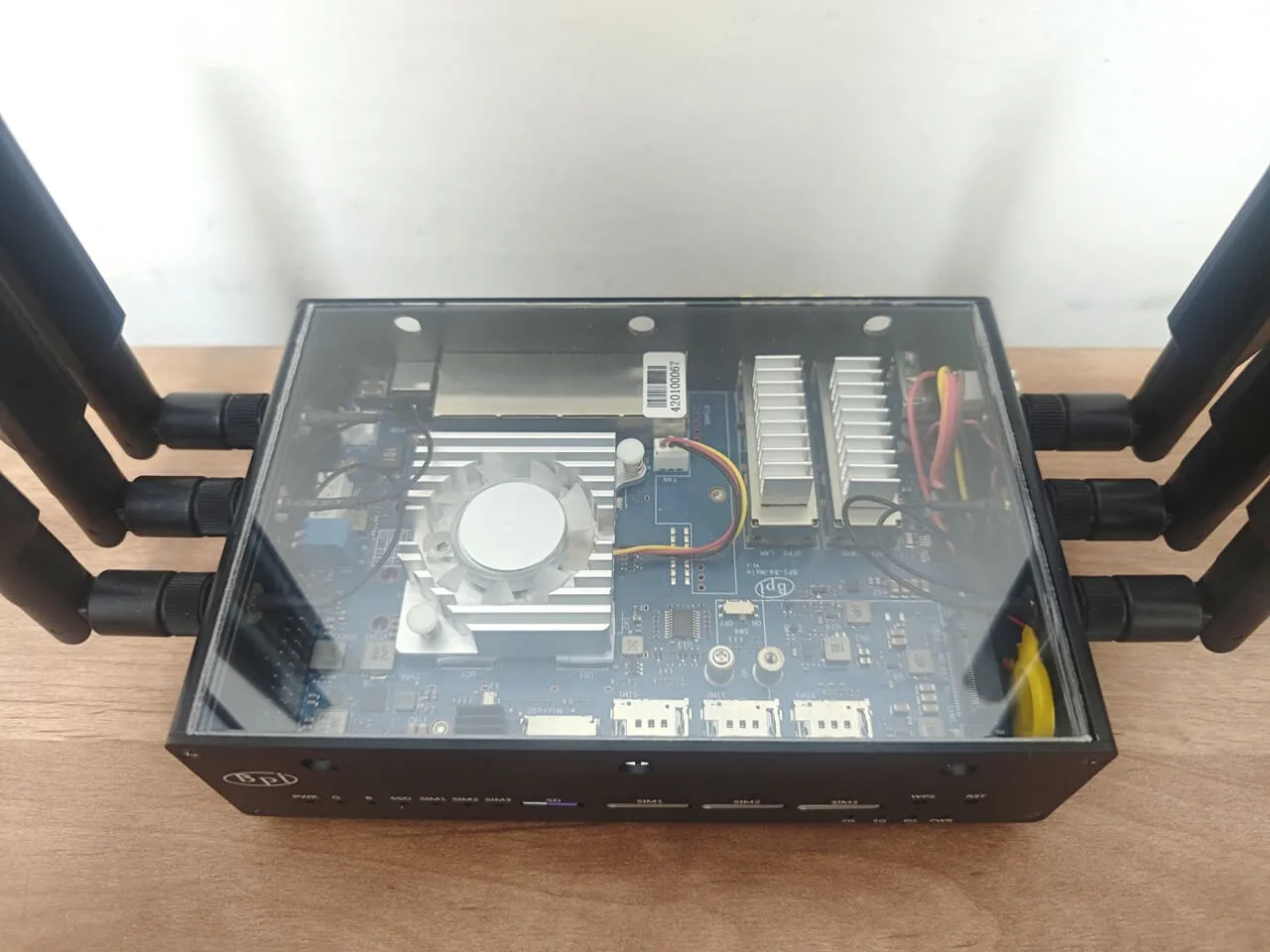
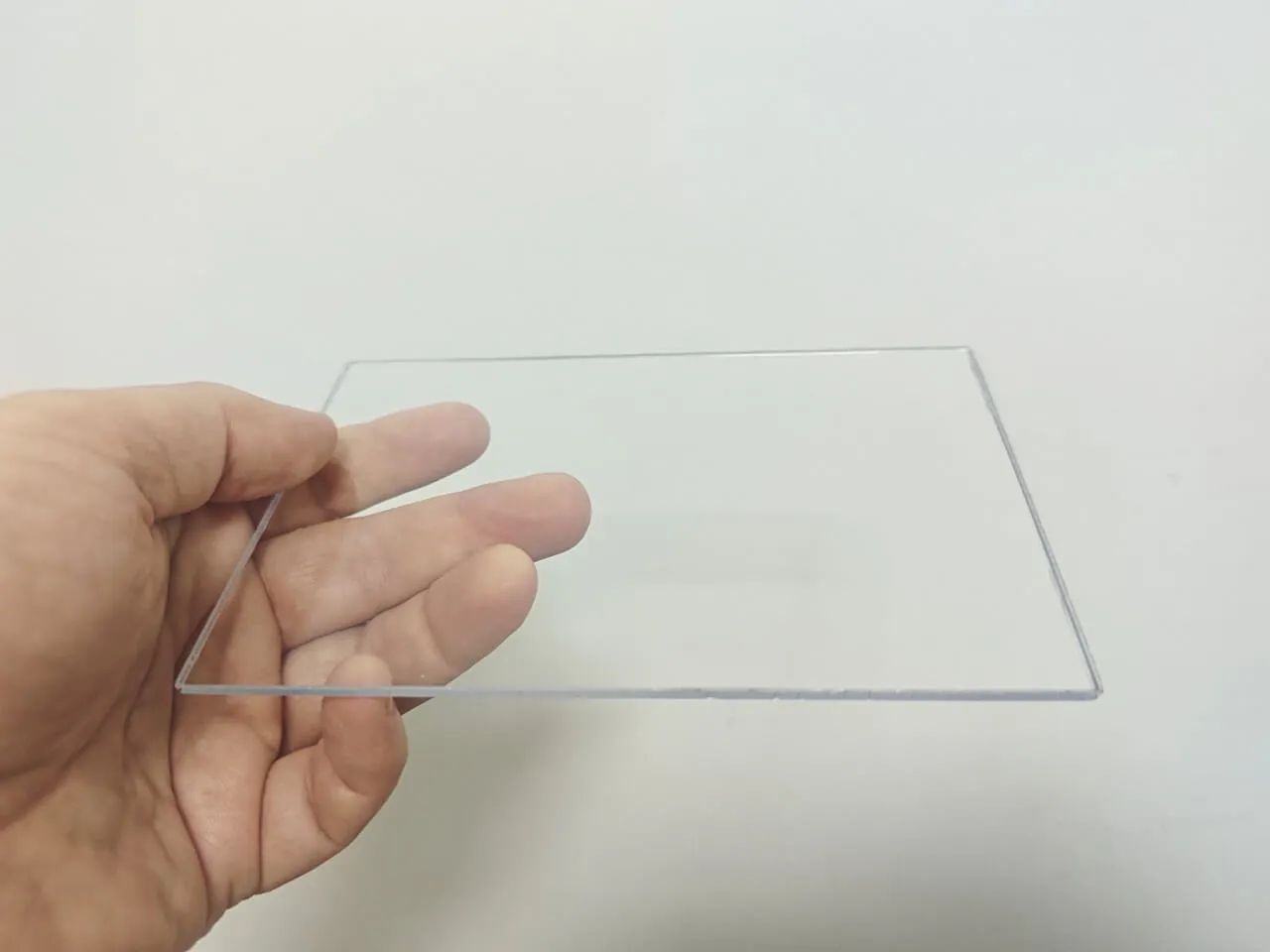
This is another awesome option worth exploring. Because the upper cover of the metal case is removable, you can replace it with a customized one. For a straightforward experiment, we ordered a transparent Perspex sheet plate from AliExpress that almost matches the dimensions of the metal case cover with a minor 1mm variation. We have ordered sheets with a thickness of 3 mm, a width of 100 mm, and a length of 150 mm.
What are the benefits of opting for a plastic cover instead?
- It has a great appearance.
- You can cut it and add additional ports and accessible interfaces. For example, you can add a temperature monitoring sensor with a small display to monitor the temperature inside the case. You can even use the GPIO header and add necessary external ports.
- Plastic is not only cost-effective but also much easier to cut.
- You have an unobstructed and clear view of the internal components of the case and the operation of the board.
- Adding venting slots and a fan is simple, even without access to a professional CNC machine equipment.
Replacing the R4 Upper Cover
Good Job
Thanks
That’s the most in-depth review I’ve seen of the BPI-R4. However, the benchmark and Wi-Fi testing sections are noticeably missing. Any reason why?
Thanks. Probably at that time I didn’t have the extra patience to wait until they fixed the bugs/problems. Hopefully a few months have passed and it should be fine now.