The Meta Case Design: Almost perfect, but not quite!
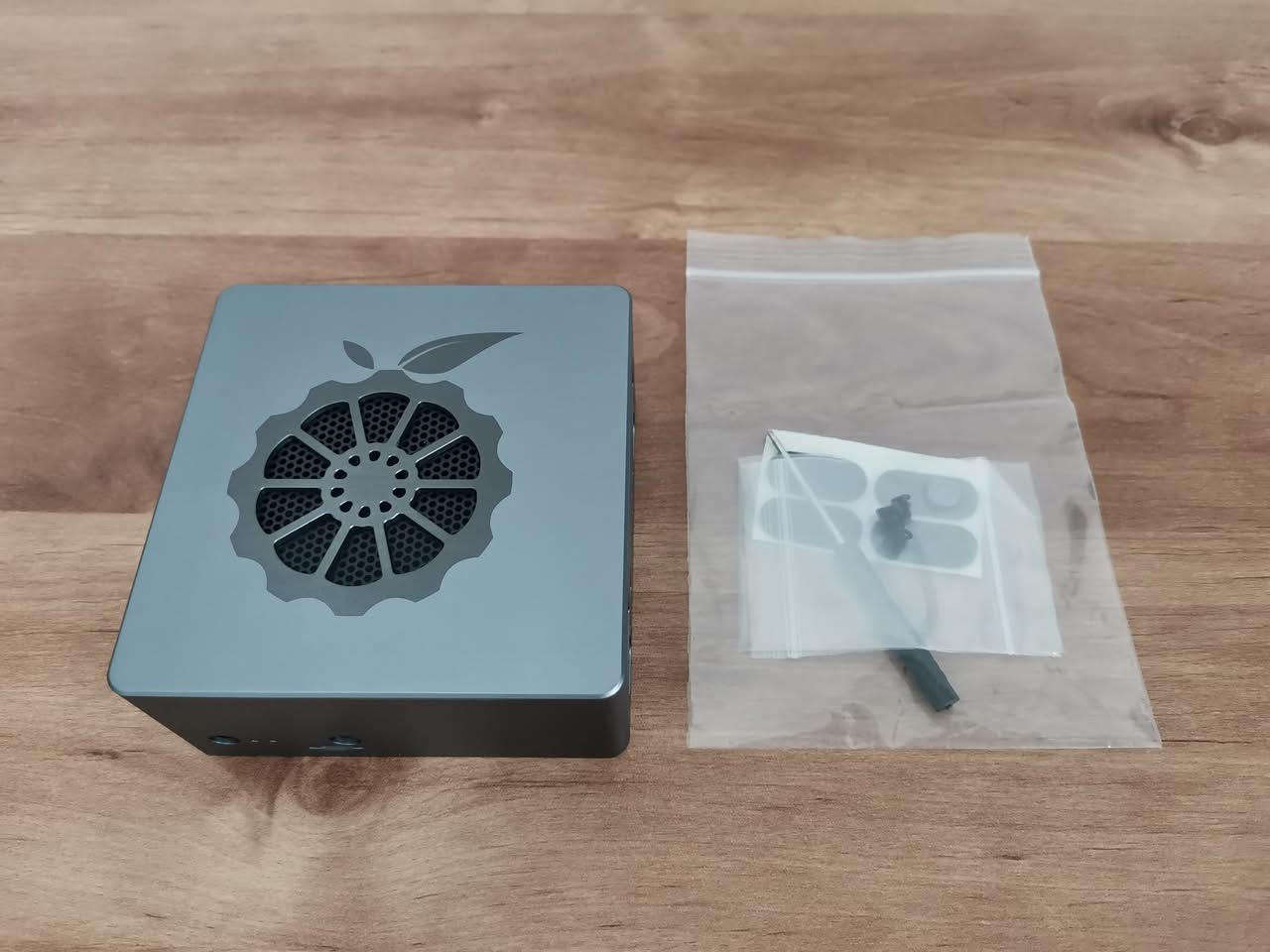
Orange Pi designed an excellent metal enclosure. It’s exceptionally well-crafted and likely manufactured using CNC and water cutting technology. Having said that, the quality of this case is superb on all levels.
Design Wise
TThe case comprises three main components: a frame with cutouts for the board interfaces, including ventilation holes; a bottom cover secured with a single screw; and an upper detachable plate featuring ventilation holes designed in the shape of the Orange Pi brand company logo. This upper plate uses magnetic attachment, allowing for easy removal without the need for a screwdriver, which is a significant advantage for accessing the interfaces, particularly the GPIO header pins.
Airflow Design
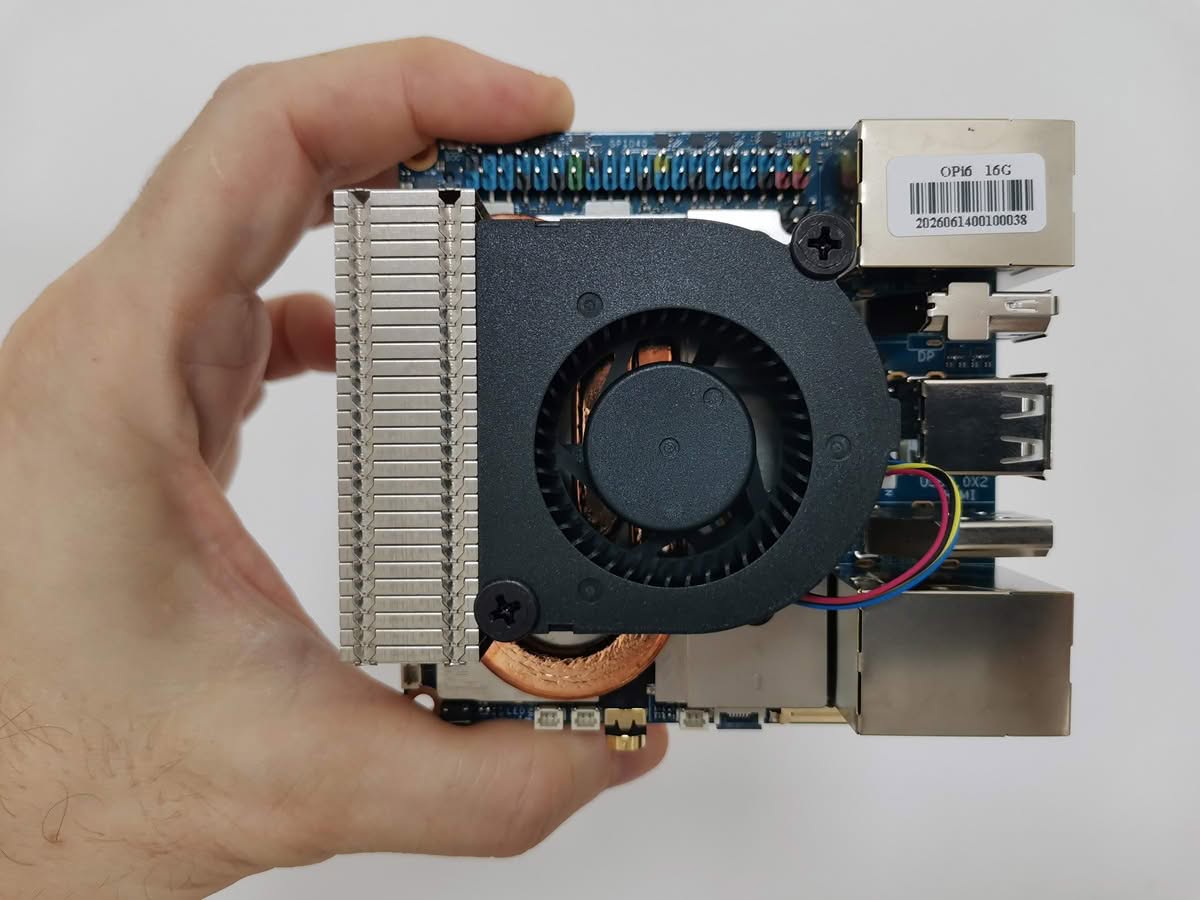
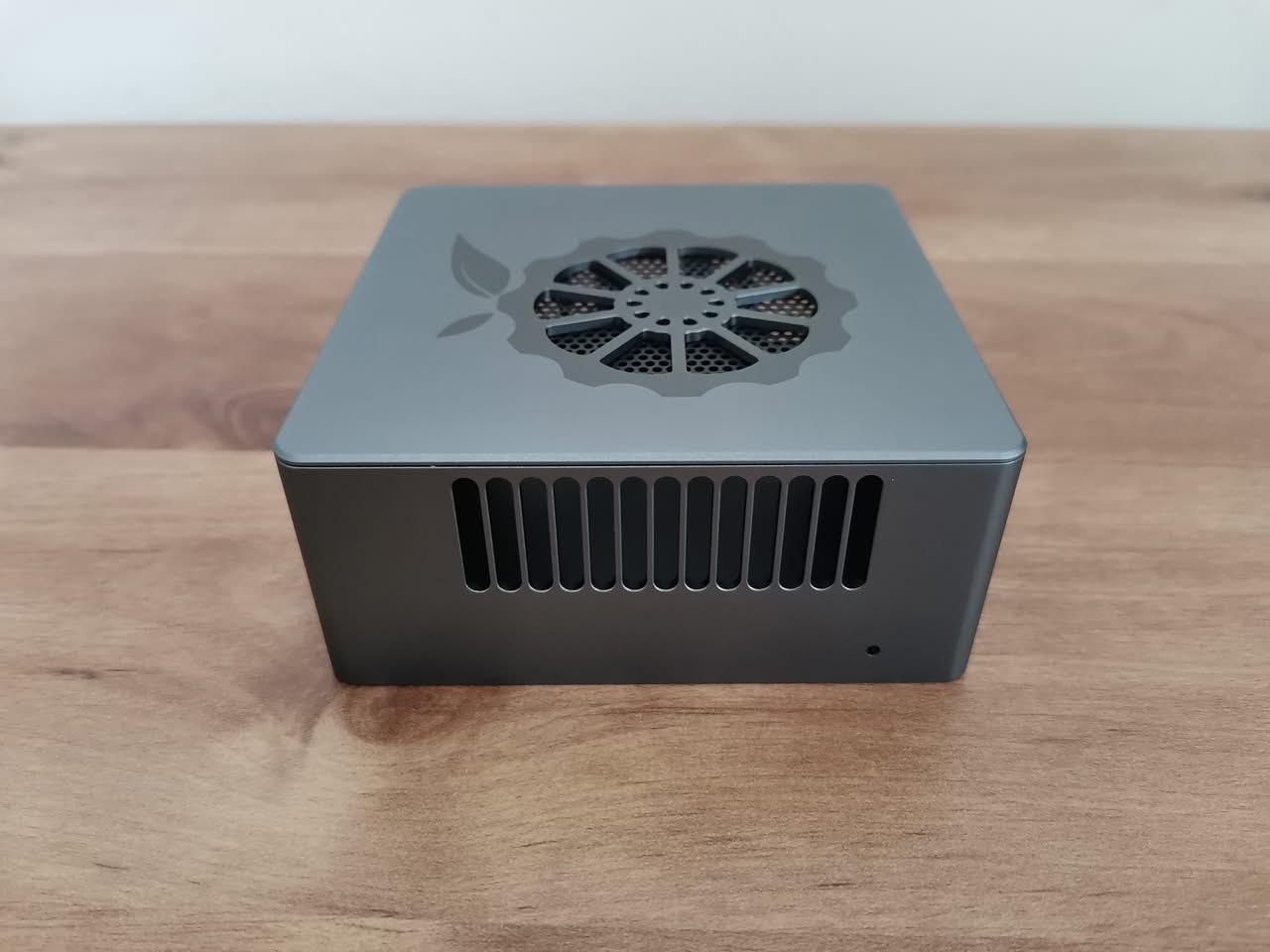
Design wisely. The fan, mounted alongside the heatsink, is a blower type that effectively dispersing additional heat through the venting slots located in the left side of the case. While the bottom of the case is completely closed, it remains accessible for opening, allowing easy access to all the M.2 slots.
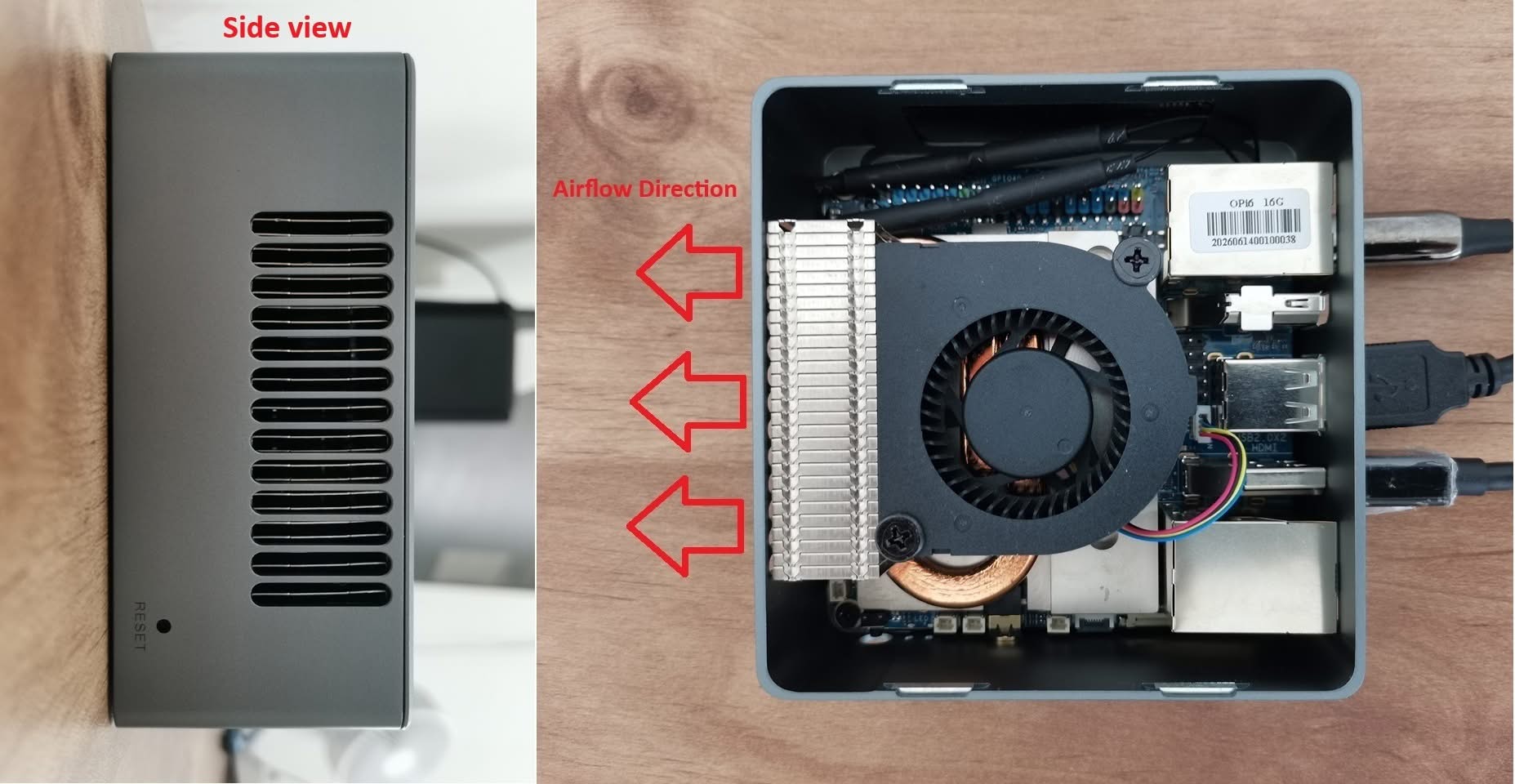
A Closer Look at the Case
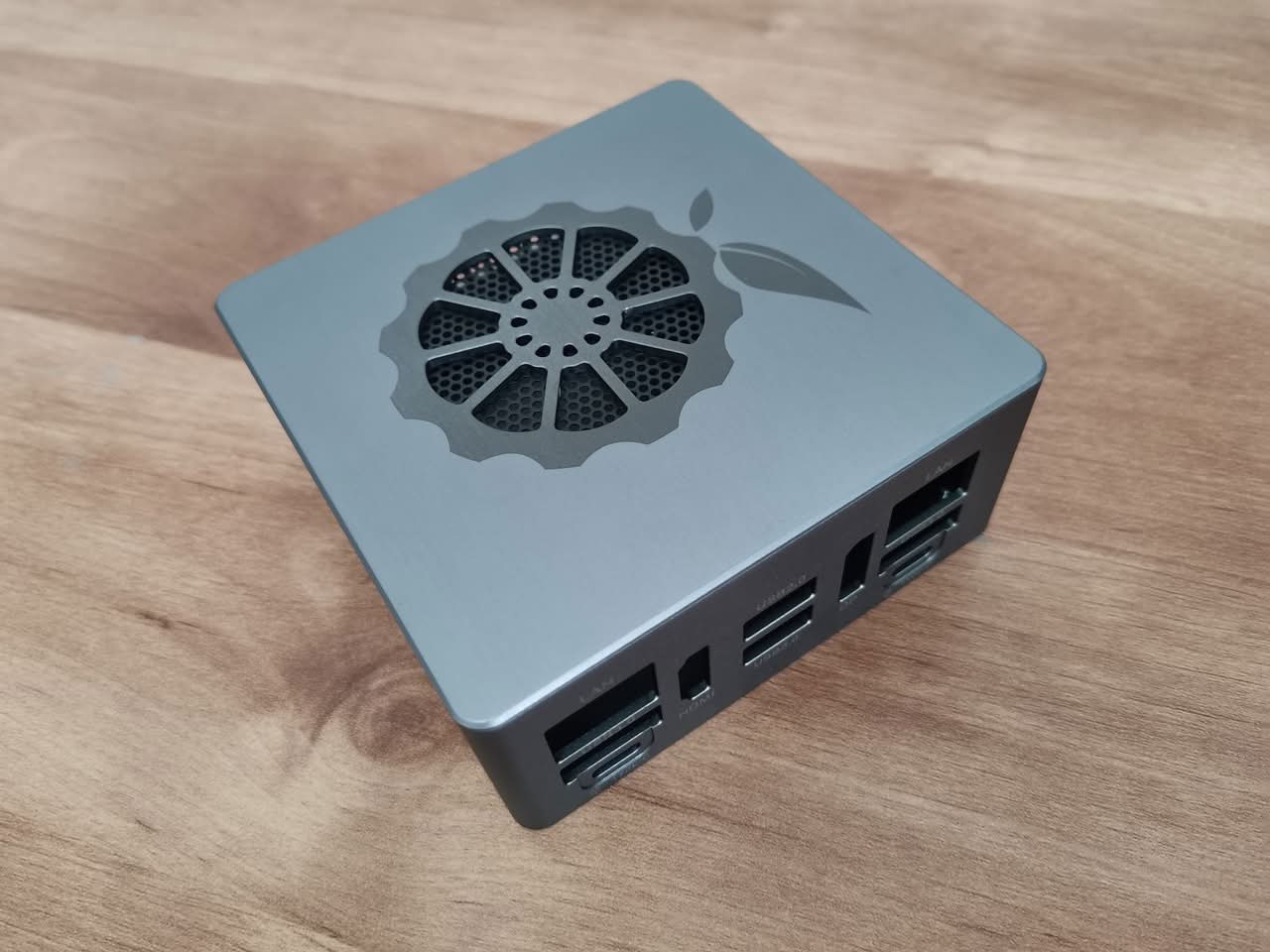
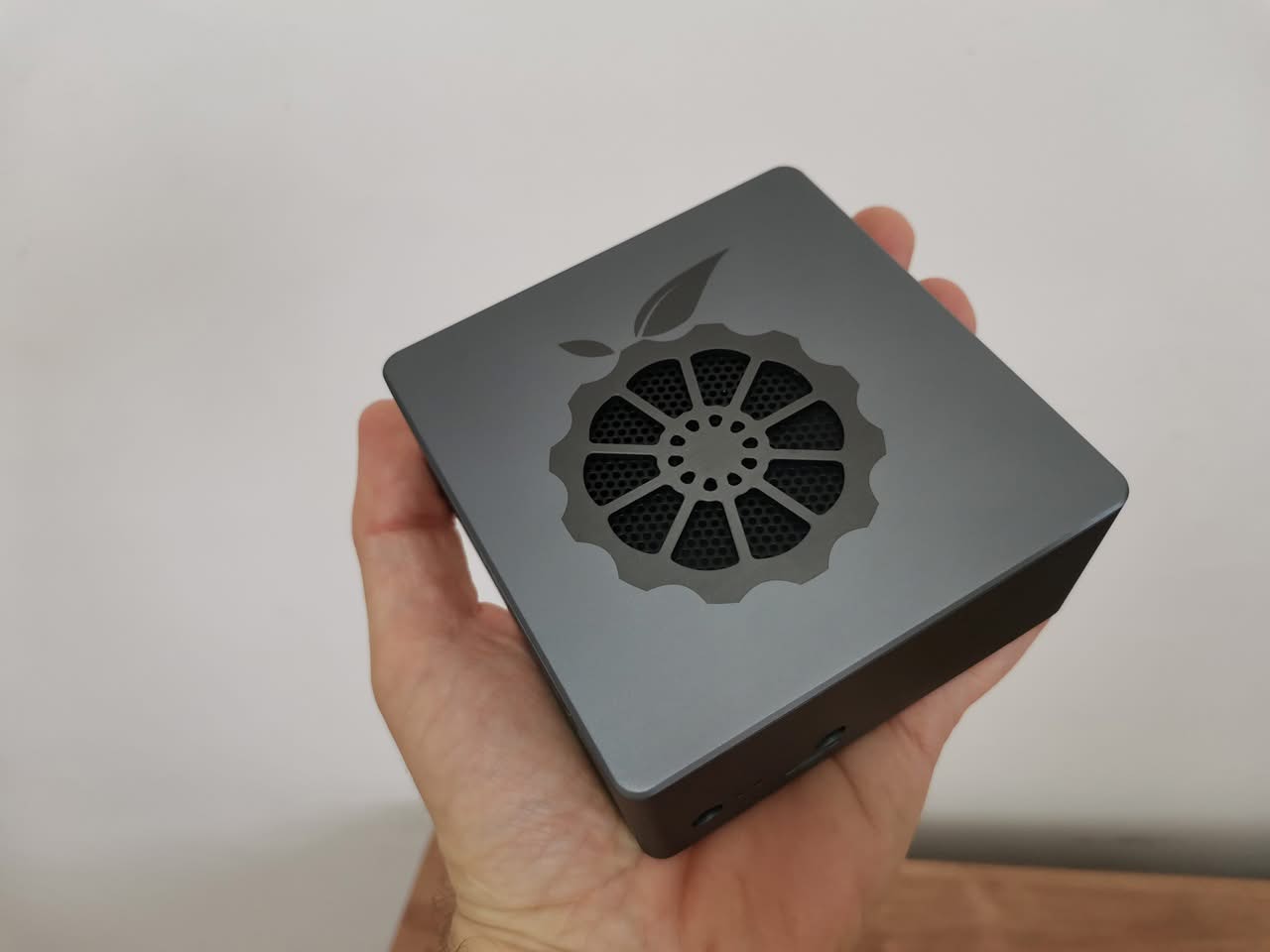
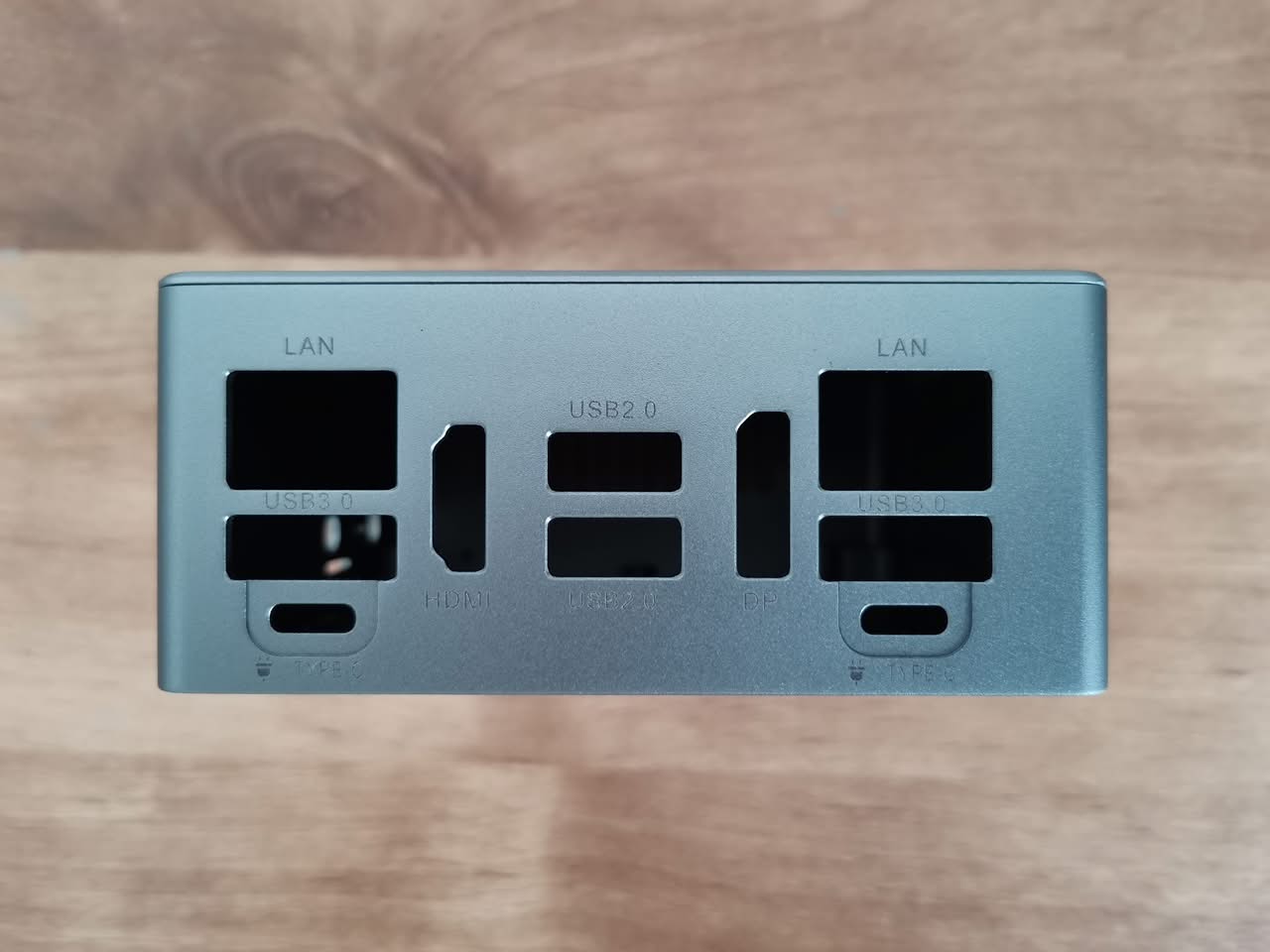
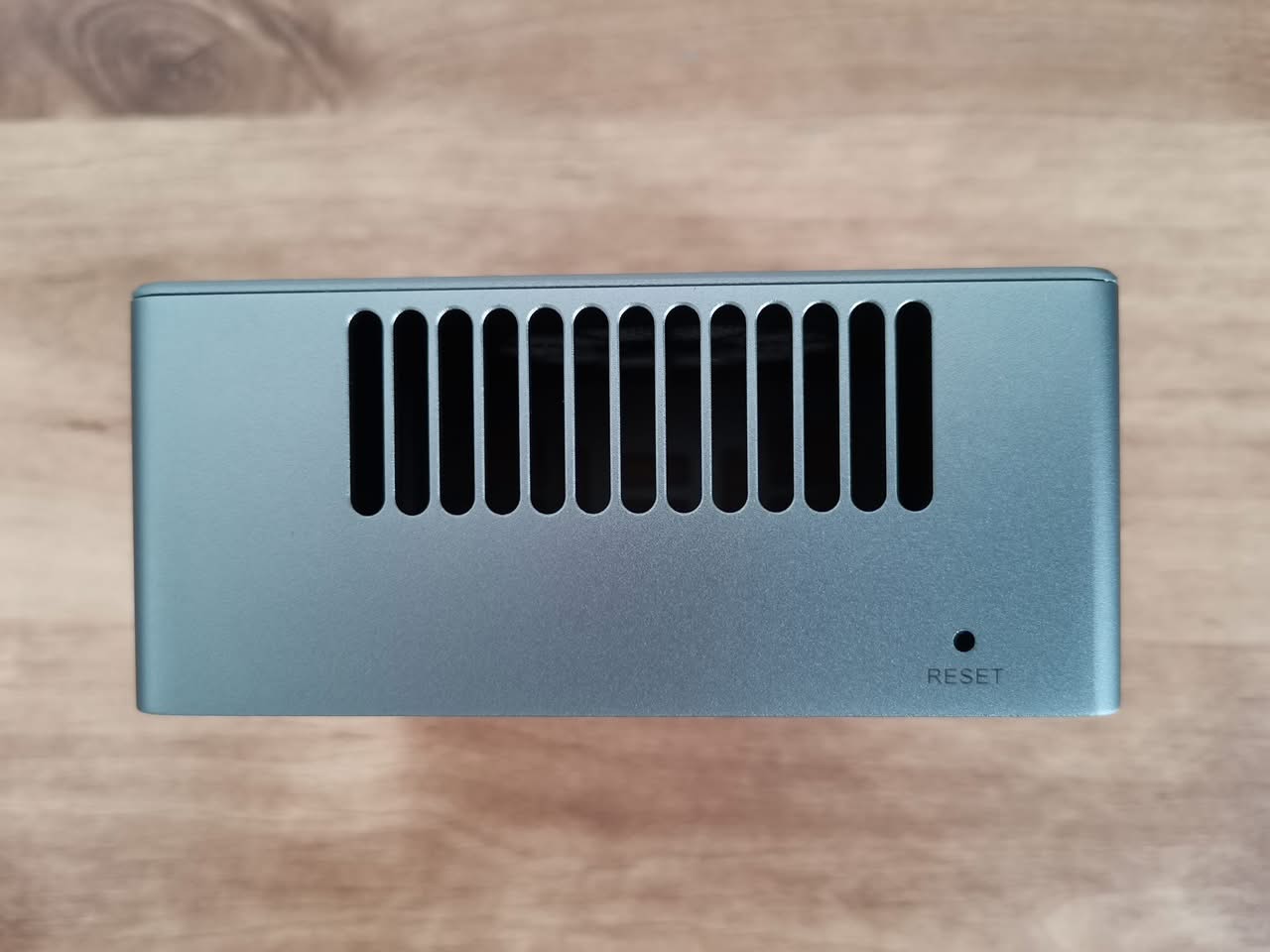
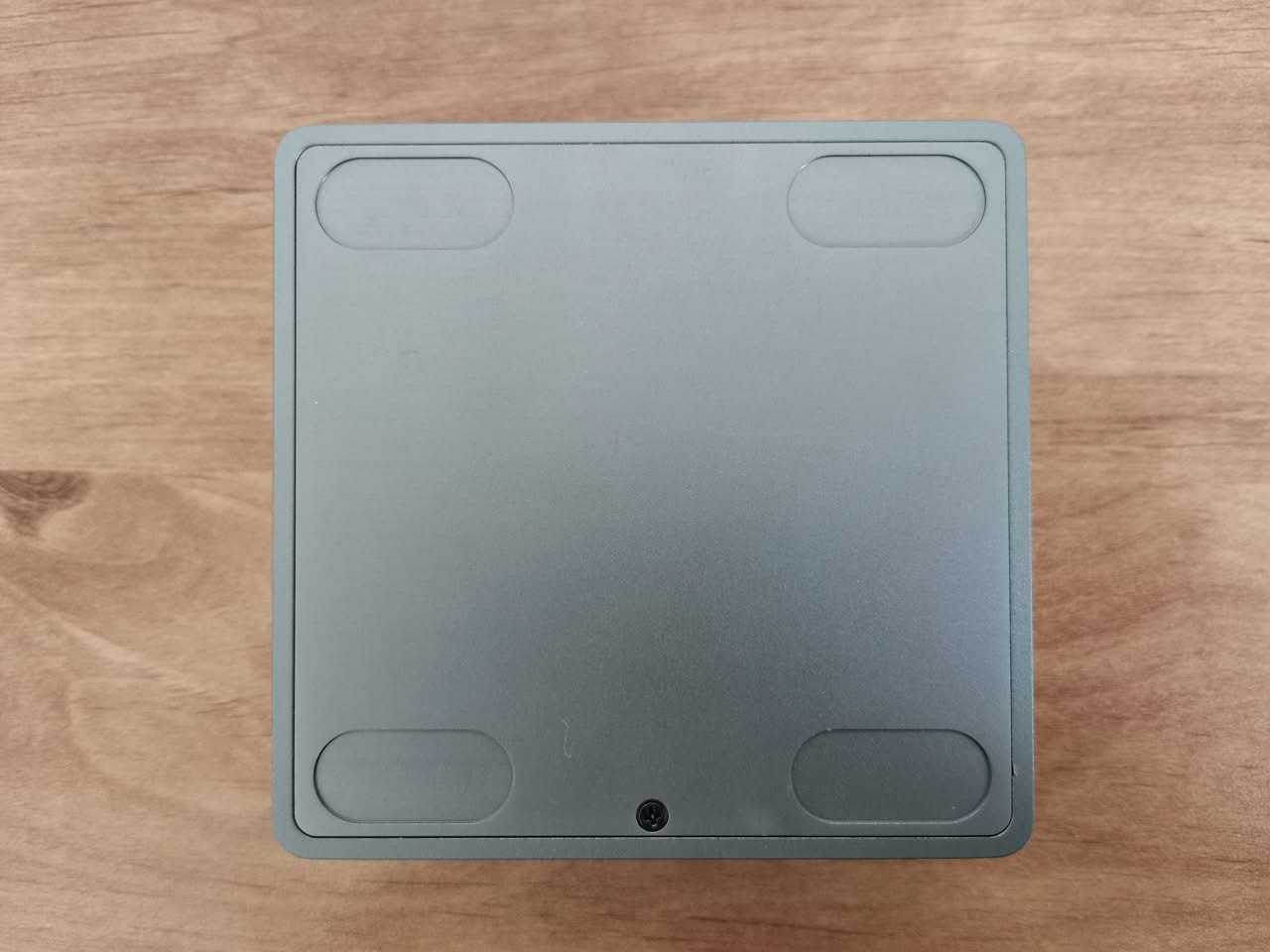
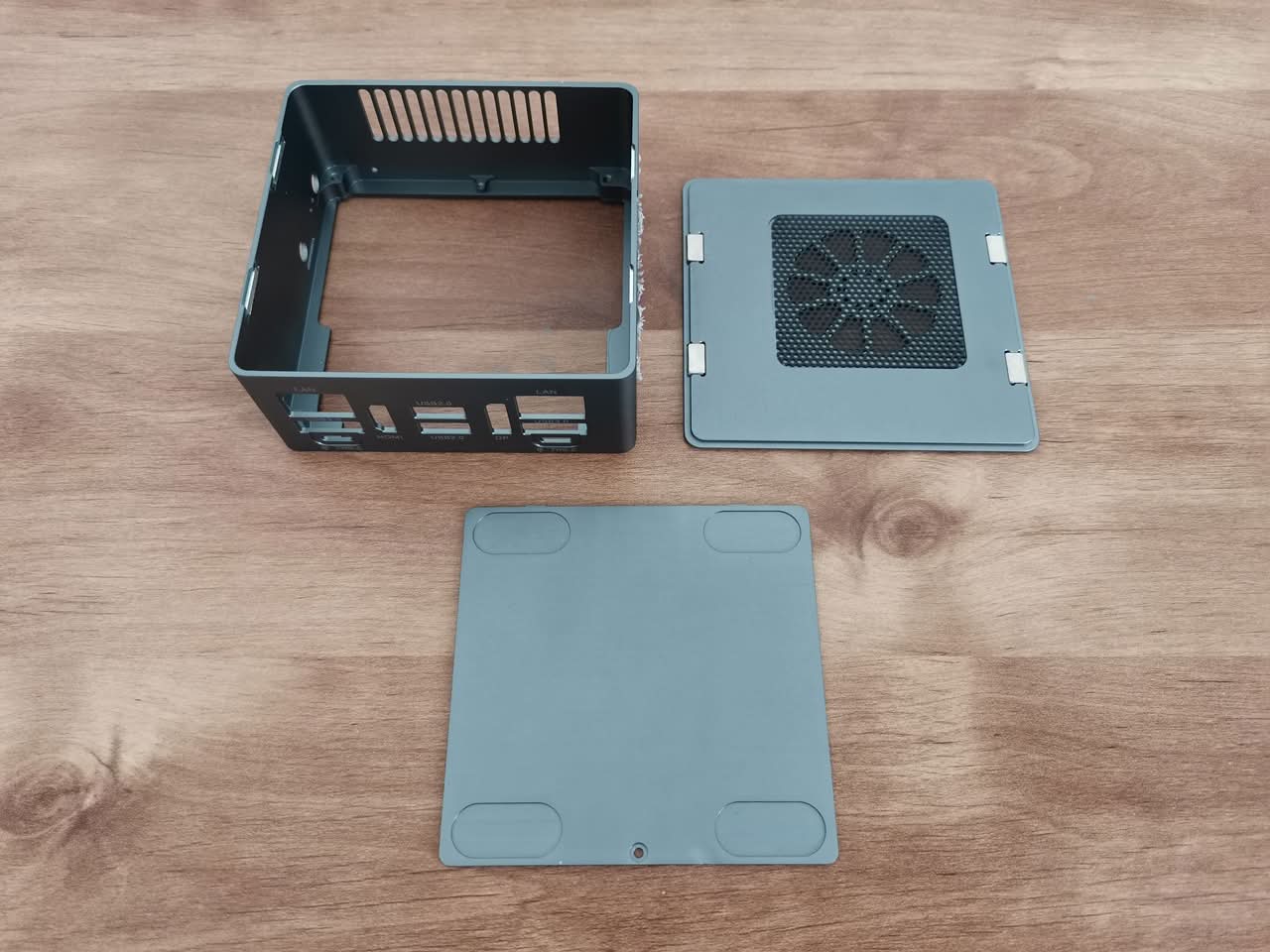
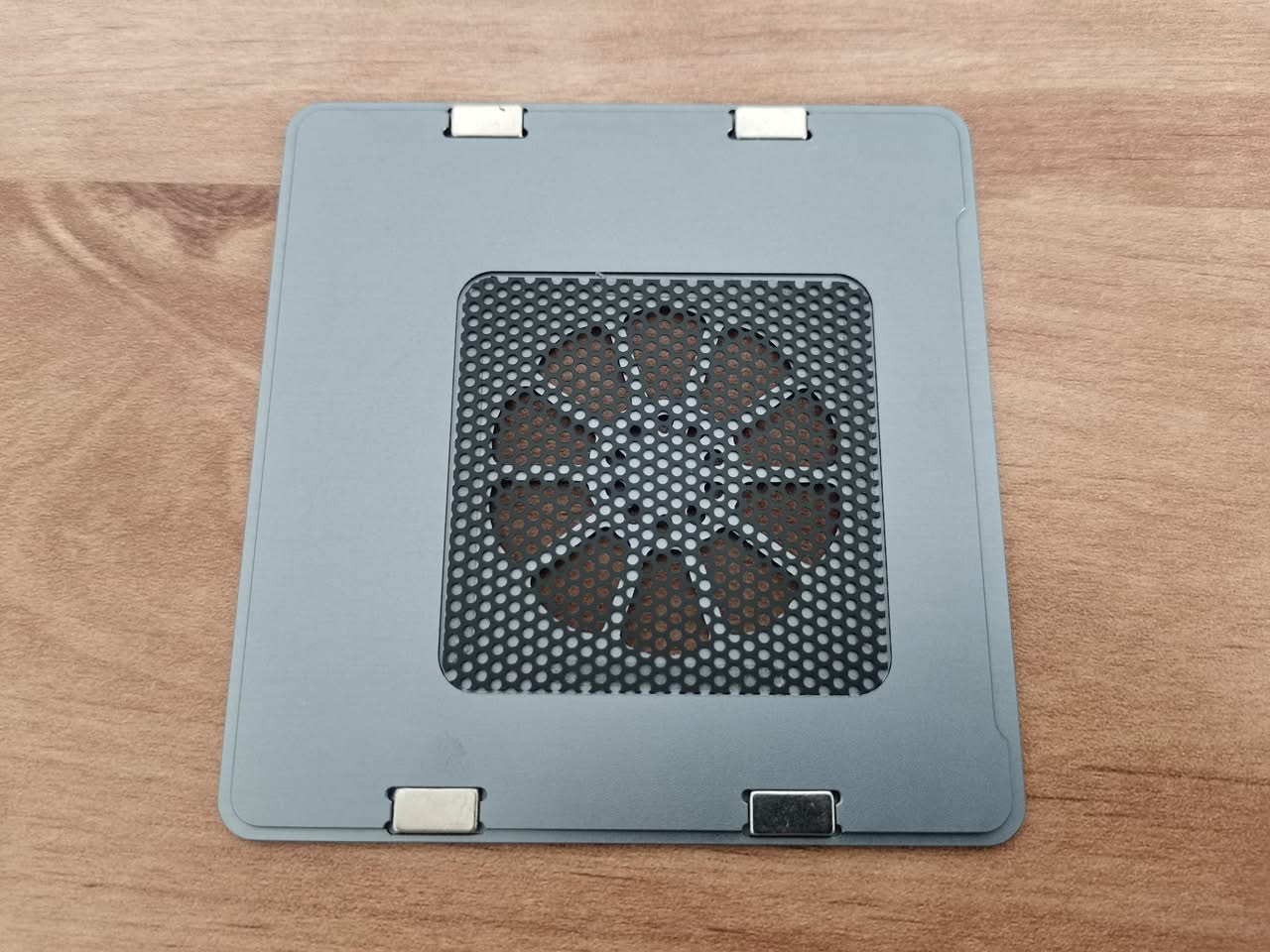
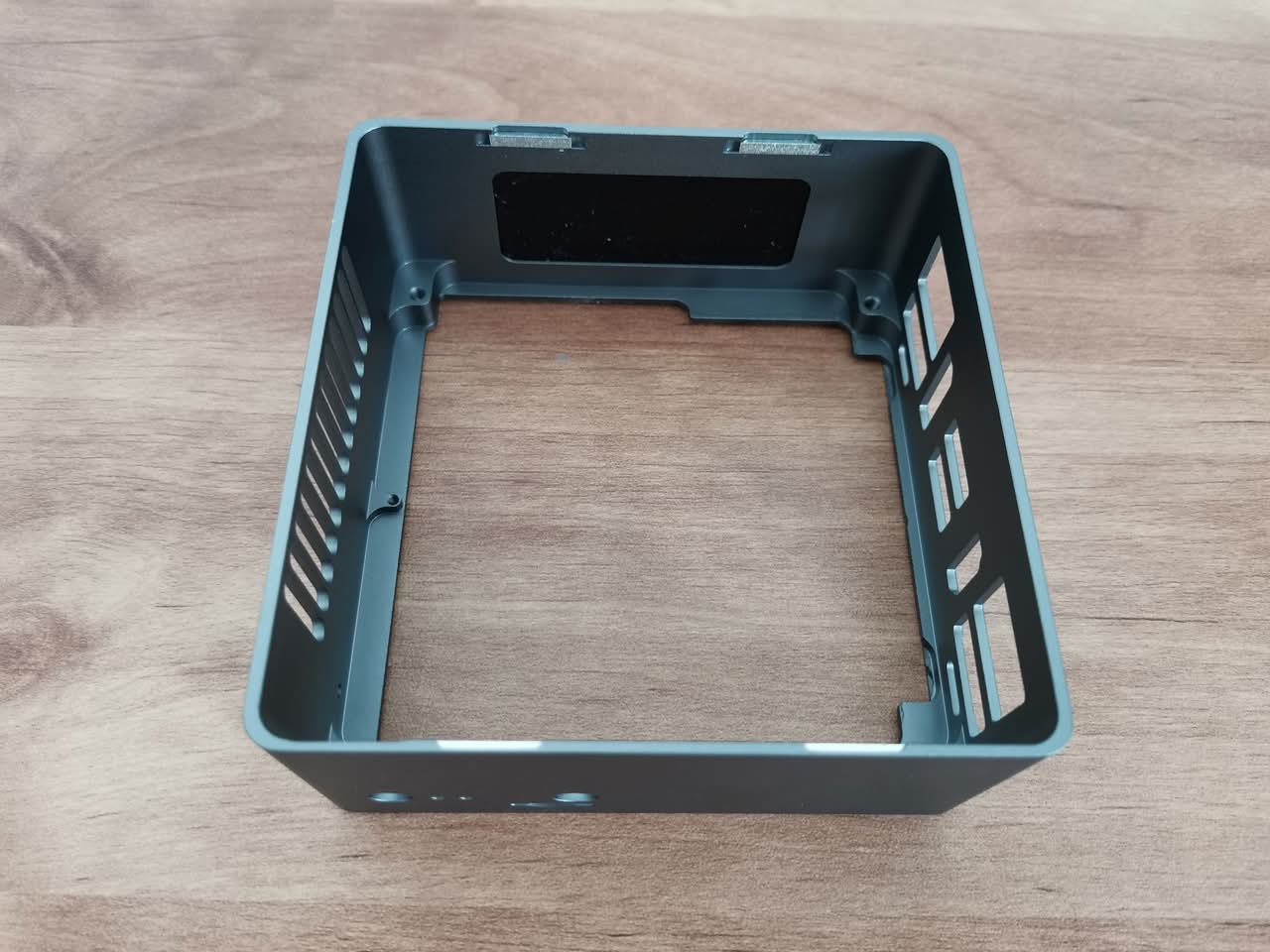
The lesser good.
The situation with the Orange Pi 6 case is likely similar to that of the Orange Pi 6 Plus metal case. There are no mounting holes for attaching external WiFi antennas. Additionally, the power button cap did not fit properly into the case opening, making it very difficult to assemble the board with the screws.
How to solve both problems?
You will likely need to use workshop tools, particularly a vertical drilling machine, to create two holes—one on each side of the case—for clean and precise results. Regarding the power button, the solution is more straightforward: you can choose a rubber or plastic button instead of the metal version offered by Orange Pi. The best place to find it is on Aliexpress.
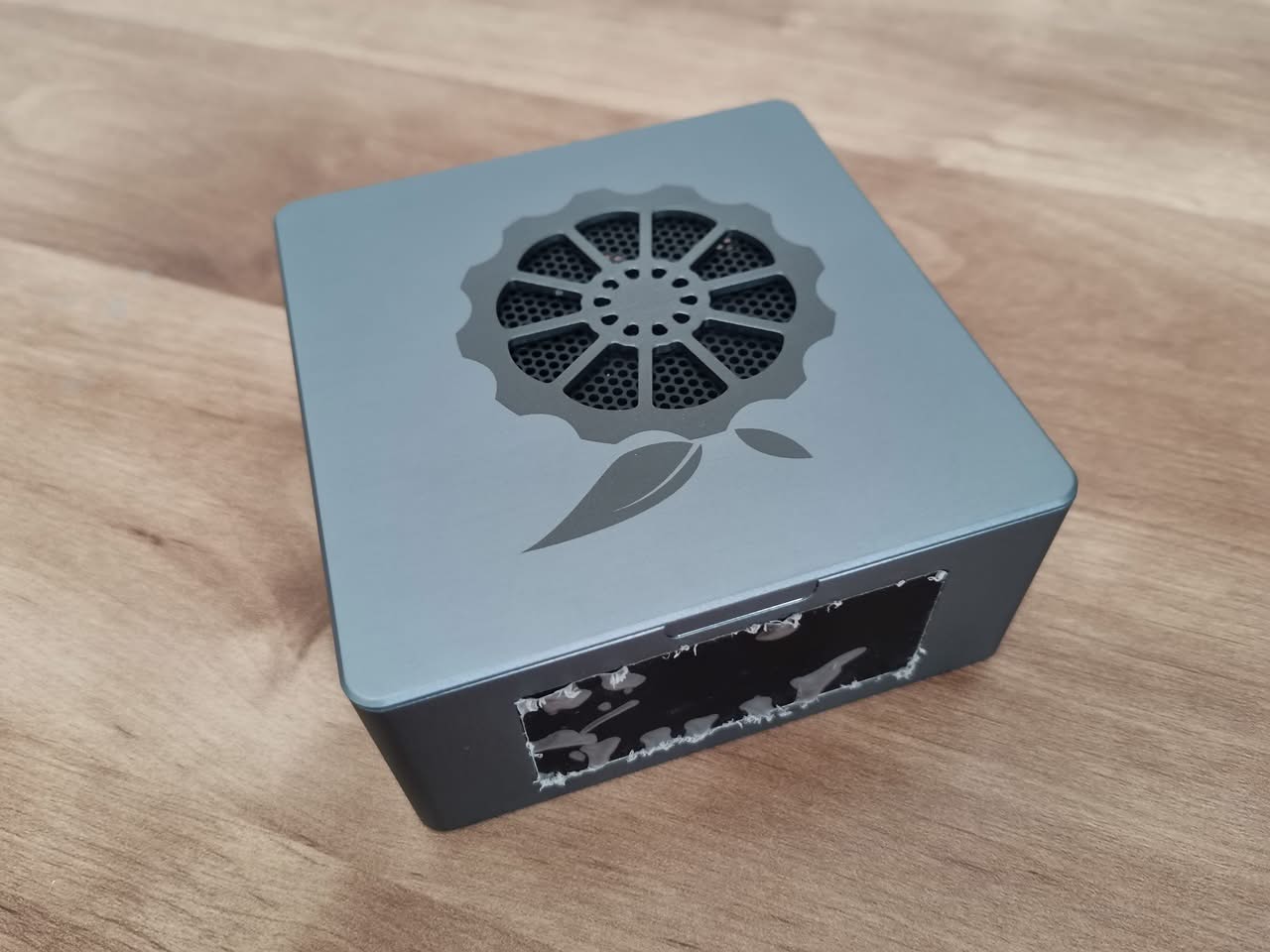
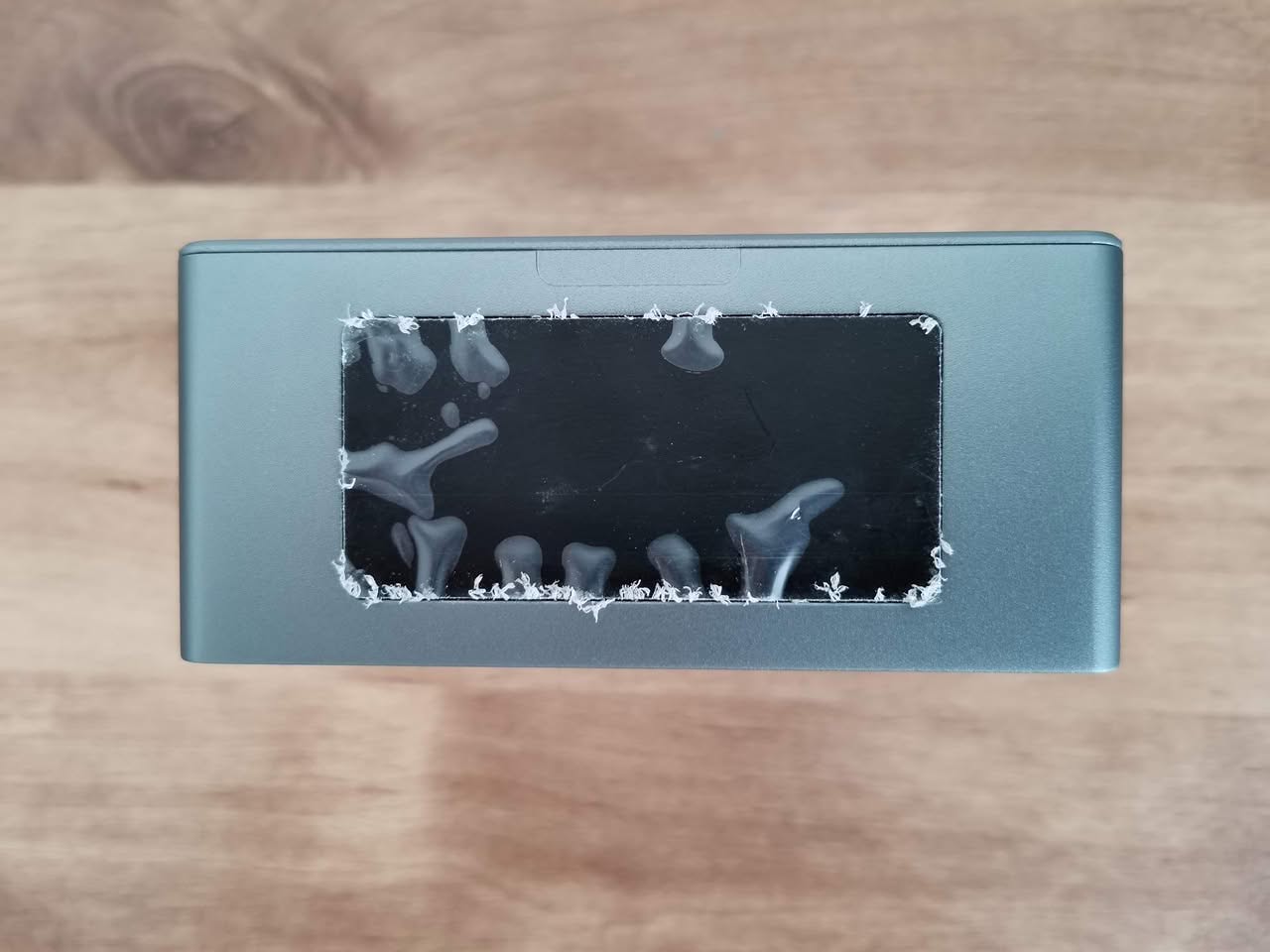
The rear side panel option
Orange Pi has incorporated a plastic panel, or “window,” on the rear side of the case. This feature is likely designed to help users access the GPIO header for routing any external wires if necessary. Additionally, it can be useful for drilling two holes for SMA Wi-Fi antennas.